Cycle Syncing Supplements by Phase: What to Take and When
Cycle syncing supplements by phase sounds simple: one set of nutrients for your period, another for ovulation, another for PMS week. The research is messier, and more useful, than the social media version. Studies support specific nutrients for specific symptoms, such as calcium for PMS mood or ginger for cramps. They don't support swapping your whole routine every seven days. This guide gives you a four-phase reference table, an evidence rating for each nutrient, and a hormone-free routine you can realistically keep up.
Key takeaways
- Match nutrients to symptoms, not just to calendar days. The best evidence links particular nutrients to particular complaints.
- A steady daily base plus a targeted add-on is often the most practical approach.
- Calcium, vitamin B6, omega-3s and ginger have the most human research behind them for PMS and cramps. Seed cycling has essentially none.
- Test before you take iron. Supplement it only if you're low.
- Severe pain, very heavy bleeding or PMDD-level mood changes need a doctor, not just a supplement.
The Short Answer: Supplements for Each Menstrual Phase
Here's the one-line version of the supplements most often linked to each menstrual phase:
- Menstrual (your period): iron if you're deficient, magnesium, omega-3 and ginger, mainly for cramps and energy.
- Follicular (after your period): B vitamins and vitamin D, to rebuild your basics.
- Ovulatory (mid-cycle): zinc and antioxidants such as vitamins C and E, as general support.
- Luteal (pre-period): calcium, vitamin B6, magnesium and chasteberry, for PMS, bloating and mood.
The caveat: no trial has shown that switching supplements on a weekly schedule beats steady intake. Most of the supporting studies had women take a nutrient every day, often for two or three cycles. In practice, a consistent daily foundation plus support aimed at your hardest phase tends to be easier to stick with than four rotating bottles.
You also don't need to "just deal with it." Cramps, bloating and mood dips that come back every month deserve attention. Supplements don't replace medical care, and results vary from woman to woman.
The Four Phases of the Menstrual Cycle, Explained Simply
Textbooks use a 28-day cycle, but Cleveland Clinic notes that cycles anywhere from 21 to 35 days can be normal. Ovulation falls roughly at day 14 in a 28-day cycle. After that, during the luteal phase, progesterone rises to prepare the uterine lining. If you don't get pregnant, estrogen and progesterone drop and your period starts.
| Phase | Typical days (28-day cycle) | Hormone pattern, in plain language | What many women notice |
|---|---|---|---|
| Menstrual | Days 1–5 | Estrogen and progesterone at their lowest | Cramps, low energy, fatigue |
| Follicular | Days 1–13 (overlaps the period) | Estrogen climbs steadily | Energy and mood lift, more motivation |
| Ovulatory | Around day 14 | Estrogen peaks; an LH surge releases an egg | Peak energy, confidence, often higher desire |
| Luteal | Days 15–28 | Progesterone rises, then both hormones fall | Cravings, bloating, breast tenderness, moodiness |
These are averages. Your follicular phase can stretch or shrink from month to month, which is why tracking matters. A tracking app or a simple notes file showing when your symptoms actually hit is worth more than any generic calendar. It also shows you which phase needs the most support.
Cycle Syncing Supplements by Phase: Reference Table With Evidence Ratings
Each entry gets a rating based on the overall quality of human research for that use:
- Stronger: several randomized controlled trials (RCTs) with fairly consistent results.
- Moderate: positive RCTs or meta-analyses, but the studies are small, varied or at risk of bias.
- Emerging: a handful of small trials, often not in the exact population. Promising, but not settled.
- Limited: little or no controlled human research for this use.
| Phase | Common concern | Nutrient or botanical | What it may help with | Evidence rating | Practical note |
|---|---|---|---|---|---|
| Menstrual | Heavy bleeding, fatigue | Iron | Rebuilding low iron stores | Stronger (only if deficient) | Test ferritin first. Take with vitamin C and apart from calcium. |
| Menstrual | Cramps | Omega-3 (EPA/DHA) | Cramp severity | Moderate | Oily fish twice a week. Check with a doctor if you take blood thinners. |
| Menstrual | Cramps | Ginger | Pain intensity | Moderate | Tea or capsules on the first days. The trials are small. |
| Menstrual / Luteal | Cramps, PMS discomfort | Magnesium | Cramps, PMS symptoms | Emerging | Nuts, seeds, leafy greens. High doses can loosen stools. |
| Follicular | Energy | B12, folate | Energy metabolism if intake is low | Stronger for deficiency, Limited otherwise | Especially relevant if you're vegan or vegetarian. |
| Follicular | Energy, mood | Vitamin D | Correcting low levels | Stronger for deficiency, Limited for cycle energy | Get tested if you're mostly indoors. |
| Ovulatory | Skin, general support | Zinc | General immune and skin support | Limited (cycle-specific) | Shellfish, legumes, pumpkin seeds. |
| Ovulatory | General support | Vitamins C and E | Antioxidant support | Limited (cycle-specific) | Food first: berries, citrus, nuts. |
| Luteal | PMS mood, water retention | Calcium | PMS mood and physical symptoms | Stronger | Dairy, fortified foods. Trials ran two to three cycles. |
| Luteal | PMS mood | Vitamin B6 | PMS and premenstrual low mood | Moderate | Never exceed 100 mg/day (US limit). The EU limit is 12 mg/day. |
| Luteal | PMS, breast tenderness | Chasteberry (vitex) | PMS symptoms | Moderate | Can interact with hormonal medications. |
| Luteal | Sugar cravings | Chromium | Carb cravings | Emerging | Studied in carb cravers, not in PMS specifically. |
| Luteal | Mood | Saffron | PMS mood | Emerging | Small trials. More research needed. |
| Any | "Hormone balance" | Seed cycling | Hormone regulation | Limited | No controlled trials. |
About seed cycling: rotating flax and pumpkin seeds with sesame and sunflower seeds is everywhere online. Examine notes that there are no controlled trials on the practice, so nothing either supports or refutes it. The seeds are nutritious. The hormone-rebalancing claims are untested.
Menstrual Phase: What Supplements to Take During Your Period
If you're wondering what supplements to take during your period, start with two questions: how heavy is your flow, and how bad are your cramps?
Iron: test first
Heavy periods drain iron over time, and low iron can leave you tired, weak and short of breath. Still, iron is one of the few supplements where more is not better. Excess iron can cause constipation and nausea, and at high doses it can build up in the body. Ask your doctor for a ferritin test before you start. If you're low, they can suggest a dose and tell you when to retest.
Magnesium, omega-3 and ginger for cramps
- Omega-3s: A 2022 meta-analysis of RCTs suggests omega-3s may have a mild effect on period pain severity. The included trials were small and varied.
- Ginger: A 2024 meta-analysis reported that ginger outperformed placebo for the intensity and duration of period pain. The authors flagged risk of bias in the included studies.
- Magnesium: It helps muscles relax, and smaller trials suggest it may ease cramps for some women. The evidence is thinner than for omega-3s or ginger.
Food-first tips
- Fill your plate with leafy greens, beans and lentils for magnesium and iron.
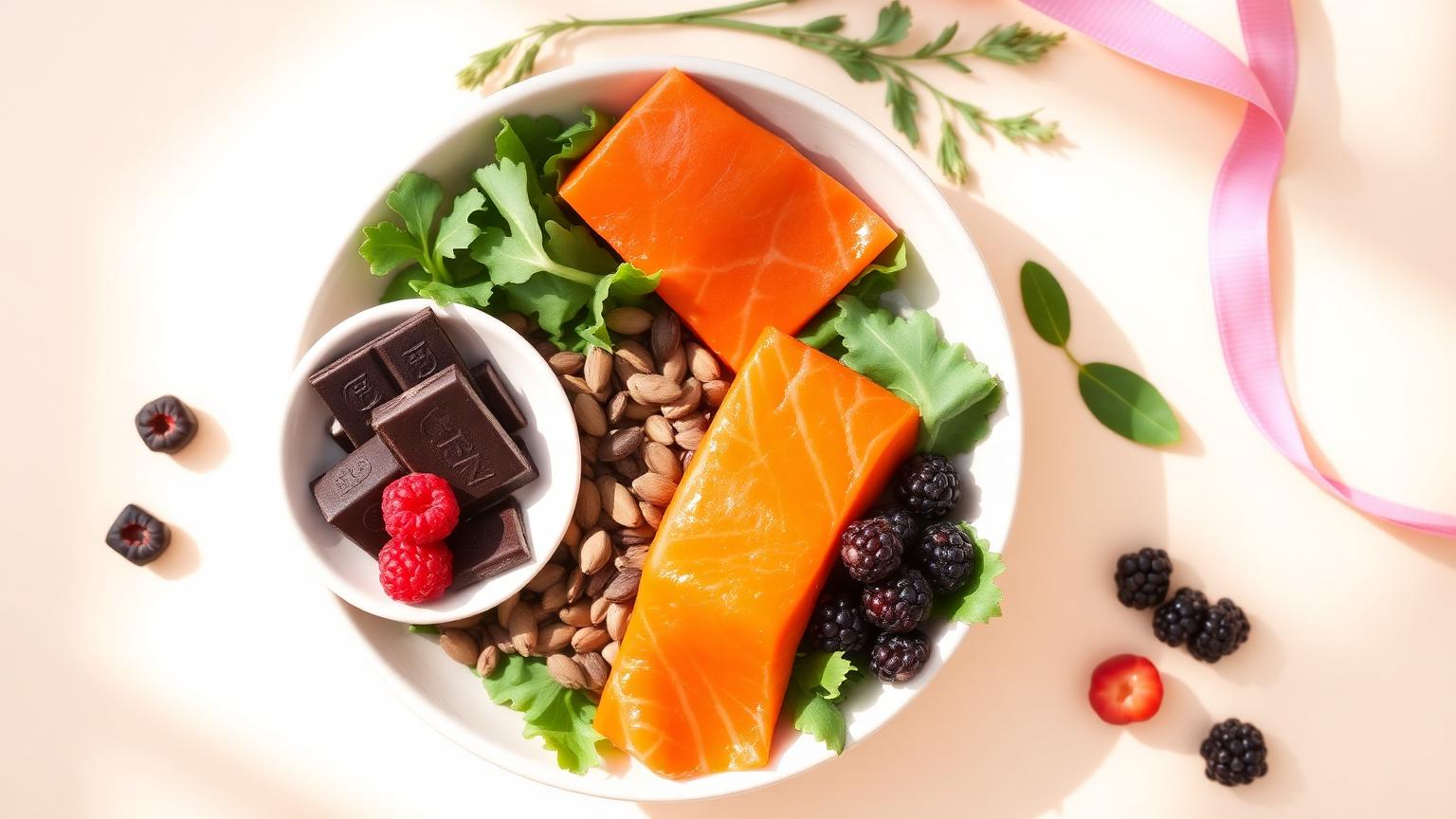
- Eat oily fish such as salmon, sardines or mackerel twice a week.
- Sip warm ginger tea on days one and two.
- Pair iron-rich foods with vitamin C (spinach with lemon, beans with peppers) to help absorption.
Red flags that need a doctor
Mayo Clinic lists these signs of heavy menstrual bleeding: soaking through one or more pads or tampons every hour for several hours, bleeding for more than a week, and passing clots larger than a quarter. See a doctor if you have any of these, if you feel dizzy or faint, or if the pain stops you from getting through your day.
Follicular Phase: Best Supplements for Follicular Phase Energy
The follicular phase is usually the least symptom-driven part of the cycle. Estrogen is rising and many women feel their best. So the best supplements for follicular phase energy aren't really boosters. They replenish what your period used up and keep your foundations steady.
- B12 and folate support energy metabolism and red blood cell production. If you eat little or no animal food, B12 deserves special attention.
- Vitamin D is worth checking if you work indoors, live somewhere with little winter sun, or have darker skin. Supplementing helps most when your levels are actually low. One small randomized trial in vitamin D-deficient students with PMS found supplementation improved some inflammation and antioxidant markers. It didn't test cycle energy.
- Iron replenishment after your period may help your energy if your stores run low. That's another reason to know your ferritin number.
Supplements are only part of the picture. Eat enough protein, especially at breakfast, to keep your energy steady. Many women find strength training feels good in this phase. It's also a smart time to schedule your biggest projects, brainstorms and harder workouts, while your energy tends to be climbing.
Ovulatory Phase: Supporting Energy, Skin and Desire
Ovulation is short, usually a day or two around the LH surge. For many women it's a natural high point for energy and confidence.
Zinc and antioxidants such as vitamins C and E are popular here for skin and general support. The evidence is thin: these nutrients matter for overall health, but there's little research on them for the ovulatory phase specifically. That's why they're rated Limited. A diet with shellfish, legumes, seeds, citrus and nuts covers most women's needs.
Desire often rises around ovulation for many women and dips at other points in the cycle. That's normal variation. Persistent low libido is different. It can come from stress, poor sleep, relationship dynamics, medications (including some antidepressants and hormonal contraceptives), thyroid issues or low iron. All of these are worth exploring with a professional.
For women who want extra support in this area, Feme's Mojo is a hormone-free energy and desire formula made with vitamins, minerals and naturally derived ingredients. Some women find it fits well into the follicular and ovulatory weeks. Individual results vary, and it isn't a treatment for sexual dysfunction.
One more note: mild one-sided twinges at ovulation (sometimes called mittelschmerz) are common. Ovulation pain that is severe, or one-sided pain that won't go away, is worth raising with your doctor.
Luteal Phase: Supplements for PMS, Bloating and Sugar Cravings
This is where the strongest supplement evidence sits, and where most women want help.
The PMS evidence shortlist
- Calcium: In an early randomized crossover trial, 1,000 mg of calcium carbonate daily reduced symptoms in both the luteal and menstrual phases. A later double-blind trial using 500 mg daily for two months found improvements in anxiety, depression and water retention.
- Vitamin B6: A systematic review summarized by American Family Physician concluded that doses up to 100 mg/day are likely to help PMS symptoms and premenstrual depression. The reviewers cautioned that the trials were of limited quality and that high intakes are linked to nerve damage. In 2023 the European Food Safety Authority set a much lower adult upper limit of 12 mg/day. A systematic review on B6 and neuropathy found that both too little and too much B6 have been associated with peripheral neuropathy. More is not better here.
- Magnesium: It's often paired with B6 for PMS mood and bloating. The evidence is promising but smaller.
Give any of these two to three cycles before you judge them. The calcium trials ran over two to three cycles of daily dosing, so don't expect results in the first week.
Chasteberry (vitex)
Chasteberry is one of the most widely used botanicals for PMS. According to Memorial Sloan Kettering, human studies suggest it may reduce breast pain and other PMS symptoms, but more research is needed. Lab studies also suggest it may interfere with hormonal medications such as birth control pills. Because chasteberry acts on hormone signaling, talk to your doctor before using it if you take hormonal birth control, are going through fertility treatment, or are pregnant or breastfeeding.
Targeted, hormone-free support
Feme's PMS SOS is its targeted PMS formula. It's hormone-free and made with vitamins, minerals and naturally derived ingredients. Check the label for exact amounts, especially vitamin B6, so you can add them to your daily totals. Individual results vary.
Taming luteal cravings
Cravings before your period are real, not a lack of willpower. Feme's Sweet Balance is designed for luteal-phase cravings. Some women find it pairs well with these habits:
- Eat protein at every meal: eggs, Greek yogurt, tofu, fish or chicken.
- Add fiber from oats, beans, berries and vegetables to slow blood sugar swings.
- Don't skip meals. Long gaps often end in a 4 p.m. sugar raid.
- Pair sweets with protein or fat (dark chocolate with almonds) rather than eating them alone.
With ingredients like chromium, keep expectations modest. A trial in women who crave carbohydrates found chromium picolinate reduced food intake. That's encouraging, but it wasn't a PMS study.
When it's more than PMS
Some women have intense depression, hopelessness, rage or anxiety in the luteal phase that seriously disrupts work and relationships. That could be premenstrual dysphoric disorder (PMDD). It's a recognized medical condition with effective treatments, so see a doctor rather than trying to manage it with supplements alone.
Cycle Syncing Supplements by Phase: Do You Need to Switch Every Week?
Most women don't. Here's how the two main approaches compare:
| Daily foundation + phase add-on | Full rotation every phase | |
|---|---|---|
| How it works | One core formula every day, plus targeted support in your hardest phase | Different products for each of the four phases |
| Fit with research | Matches how most trials dosed nutrients: daily, over several cycles | Not directly tested |
| Ease | Simple, easy to remember | Needs accurate phase tracking. Easy to miss doses. |
| Cost | Usually lower | Often higher |
| Risk of doubling up | Lower | Higher if products overlap |
Consistency matters because nutrients like calcium and magnesium tend to work through regular daily intake over time, not one-off doses.
This is the logic behind Feme's Full Balance, a daily, hormone-free foundation formula. Feme's discounted duos pair Full Balance with one targeted product: PMS SOS for PMS, Sweet Balance for cravings, or Mojo for energy and desire. You keep your base steady and add support where you need it most.
A simple weekly routine checklist
- Log your cycle day in a tracking app.
- Take your daily foundation at the same time each day, for example with breakfast.
- Write a one-line symptom note: energy, mood, cramps, bloating, cravings (rated 1–5).
- Add your phase-specific support during the phase you're targeting.
- Every few cycles, review your notes and see whether anything has changed.
Safety First: Who Should Check With a Healthcare Provider
"Natural" doesn't automatically mean right for everyone. Check with a healthcare provider before starting cycle supplements if you:
- Are pregnant, trying to conceive or breastfeeding
- Take hormonal birth control, antidepressants or blood thinners
- Have PCOS, endometriosis, a thyroid condition or PMDD
- Have kidney disease, a bleeding disorder or surgery coming up
- Take several other supplements or prescription medications
Watch for stacking. Your multivitamin, PMS formula and energy gummy may all contain B6, iron or vitamin D. Add up the label totals. Unless your doctor advises otherwise, stay under the US upper intake limits for adults: 100 mg a day for vitamin B6, 45 mg for iron and 4,000 IU for vitamin D. B6 deserves particular care. AAFP notes that high intakes have been linked to nerve damage. EFSA's 2023 review set the European adult limit far lower, at 12 mg a day.
Feme products are dietary supplements. They are not intended to diagnose, treat, cure or prevent any disease.
Be your own advocate. Bring your cycle log to appointments. Two or three months of notes on dates, symptoms and severity can turn a brushed-off "that's just PMS" into a real conversation.
Build Your Phase-Based Routine
Building a routine around cycle syncing supplements by phase comes down to three steps:
- Track your cycle so you know your real phases and your toughest days.
- Cover the basics daily with food first, plus a steady foundation that fills the gaps.
- Target your toughest phase with an evidence-informed add-on, and give it two to three cycles.
If you're not sure where to start, Feme's hormone wellness quiz can give you a personalized starting point based on your symptoms.
You know your body better than any calendar average does. Cycle discomfort isn't something you simply have to accept. You can learn what helps, ask for better care, and build a routine that works for you.
FAQ
Does cycle syncing with supplements actually work?
It depends on what you mean by "work." There's reasonable evidence that some nutrients help with specific symptoms: calcium and vitamin B6 for PMS, ginger and omega-3s for cramps. There's no solid evidence that rotating supplements strictly by phase beats steady daily intake. A consistent foundation plus targeted support for your hardest phase is the most realistic approach. Individual results vary.
Can I take cycle syncing supplements while on birth control?
Often yes, but check with your provider first. Many hormonal methods suppress ovulation, so your "phases" may not follow the usual pattern and phase-based timing matters less. Chasteberry in particular may interfere with hormonal medications. Basic vitamins and minerals are usually less of a concern, but your doctor or pharmacist can review your exact products and medications.
What supplements should I take during my period for cramps?
Ginger and omega-3s have some of the most direct evidence. Meta-analyses suggest ginger reduces period pain intensity compared with placebo and that omega-3s may have a mild effect. Magnesium shows early promise. Warm ginger tea, oily fish and leafy greens are easy food-first starting points. If your cramps stop you from functioning or get worse over time, see a doctor to rule out conditions like endometriosis.
How long does it take for supplements to help with PMS?
Plan on two to three menstrual cycles. The calcium trials ran over two to three cycles of daily supplements. Track your symptoms on a simple 1–5 scale so you can compare honestly. If nothing has changed after three cycles, or your symptoms are severe, talk to a healthcare provider about other options.
Should I take magnesium only during the luteal phase or every day?
Daily is usually the more practical choice. Magnesium supports many functions all month, and most studies dosed it consistently rather than for one week only. Taking it every day also means you're covered for both luteal symptoms and period cramps. Watch your total intake across all supplements, because higher doses can cause loose stools. Check with your doctor if you have kidney problems.
Are hormone-free supplements safe to take alongside other vitamins?
Usually, as long as you avoid doubling up. Hormone-free formulas made with vitamins, minerals and naturally derived ingredients can still overlap with your multivitamin. Add up the label totals for iron, vitamin B6 and vitamin D so you stay under the upper intake limits. If you take prescription medications or have a health condition, ask a pharmacist or doctor to review your full list.