How to Manage PMS Irritability & Anxiety Naturally
You know the moment. Someone chews a little too loudly, a text sits unanswered, the wifi hiccups — and suddenly you're furious out of all proportion, wondering who swapped out your personality overnight. Then the calendar tells on you: oh. It's that week. If PMS irritability has you snapping, spiraling, or crying at a phone commercial, first things first — you're not broken, dramatic, or "too much." Your body is doing a very predictable thing on a very predictable schedule, and there's a lot you can do to smooth the ride.
This is your practical toolkit. We'll cover the quick science of why your mood goes sideways, then walk through the daily habits that many women find actually help — sleep, movement, steady blood sugar, the caffeine-and-wine conversation, magnesium and B6, breathwork, and the criminally underrated power of a good boundary. And yes, where daily supplement support can fit in. No lectures, no "just relax," no wellness fog. Let's go.
First, the why: your brain chemistry is doing a group project
In the roughly one to two weeks before your period — the luteal phase — estrogen and progesterone don't just drift down, they do a bit of a rollercoaster. And here's the part nobody explains: those hormones don't only live in your reproductive system. They talk directly to your brain, including the systems that regulate serotonin, the neurotransmitter most tied to mood, calm, and that "I can handle today" feeling.
When estrogen dips, serotonin activity tends to dip with it. Lower serotonin can show up as irritability, low mood, anxiety, and a shorter fuse — the same reasons your tolerance for minor annoyances quietly evaporates. Add in that progesterone breaks down into compounds that interact with GABA (your brain's chill-out chemical), and for some women that interaction ramps up anxiety and restlessness instead of calming it down. Layer on worse sleep, blood-sugar swings, and the general exhaustion of Being A Person, and irritability isn't a character flaw — it's chemistry with a monthly deadline.
The empowering part: chemistry responds to inputs. Sleep, food, movement, and how you spend your energy all nudge these same systems. You can't override your cycle, and you shouldn't have to white-knuckle it either. If you want the deeper version of this, we broke it all down in why PMS messes with your mood. For now, here's what to actually do.
The daily toolkit for calmer PMS
None of these are magic on their own. Stacked together, though, they change how the luteal week feels. Start with one or two — you don't have to overhaul your life to feel a difference.
1. Protect your sleep like it's your job
Sleep is the first domino. When you're underslept, your emotional regulation runs on fumes, your stress response is louder, and every PMS symptom gets the volume turned up. The frustrating irony? The luteal phase can make sleep flakier right when you need it most — rising body temperature and hormonal shifts can leave you tossing.
- Anchor your wake-up time, even on weekends. A steady rhythm steadies your mood more than a perfect bedtime does.
- Cool the room down. Your body temp runs slightly higher premenstrually, so a cooler space genuinely helps.
- Dim the screens in the last hour. Not because you're being bad — because bright light at night tells your brain it's noon.
- Give the doomscroll a bedtime too. Anxious brains love a 1 a.m. spiral. Charge your phone across the room.
2. Move your body — gently counts
Exercise is one of the most reliable mood levers you have, partly because it boosts endorphins and helps regulate the same serotonin systems that go quiet before your period. But this is the week to drop the "no pain no gain" nonsense. You are not lazy for wanting softer movement when your body is asking for it.
- A 20-minute walk outside does more for irritability than most people expect. Bonus points for daylight, which supports your sleep rhythm too.
- Yoga, stretching, or mobility to release the physical tension that irritability loves to store in your shoulders and jaw.
- Whatever you actually enjoy. Dancing in your kitchen counts. Consistency beats intensity every time.
3. Keep your blood sugar steady (this one's sneaky-important)
If you get "hangry" on a normal day, PMS week turns it up to eleven. Blood-sugar crashes trigger a stress-hormone response that reads, chemically, a lot like anxiety and irritability — shaky, snappy, on edge. And because premenstrual cravings push you toward sugar and refined carbs, it's easy to ride a spike-and-crash cycle all day without realizing it's feeding your mood swings.
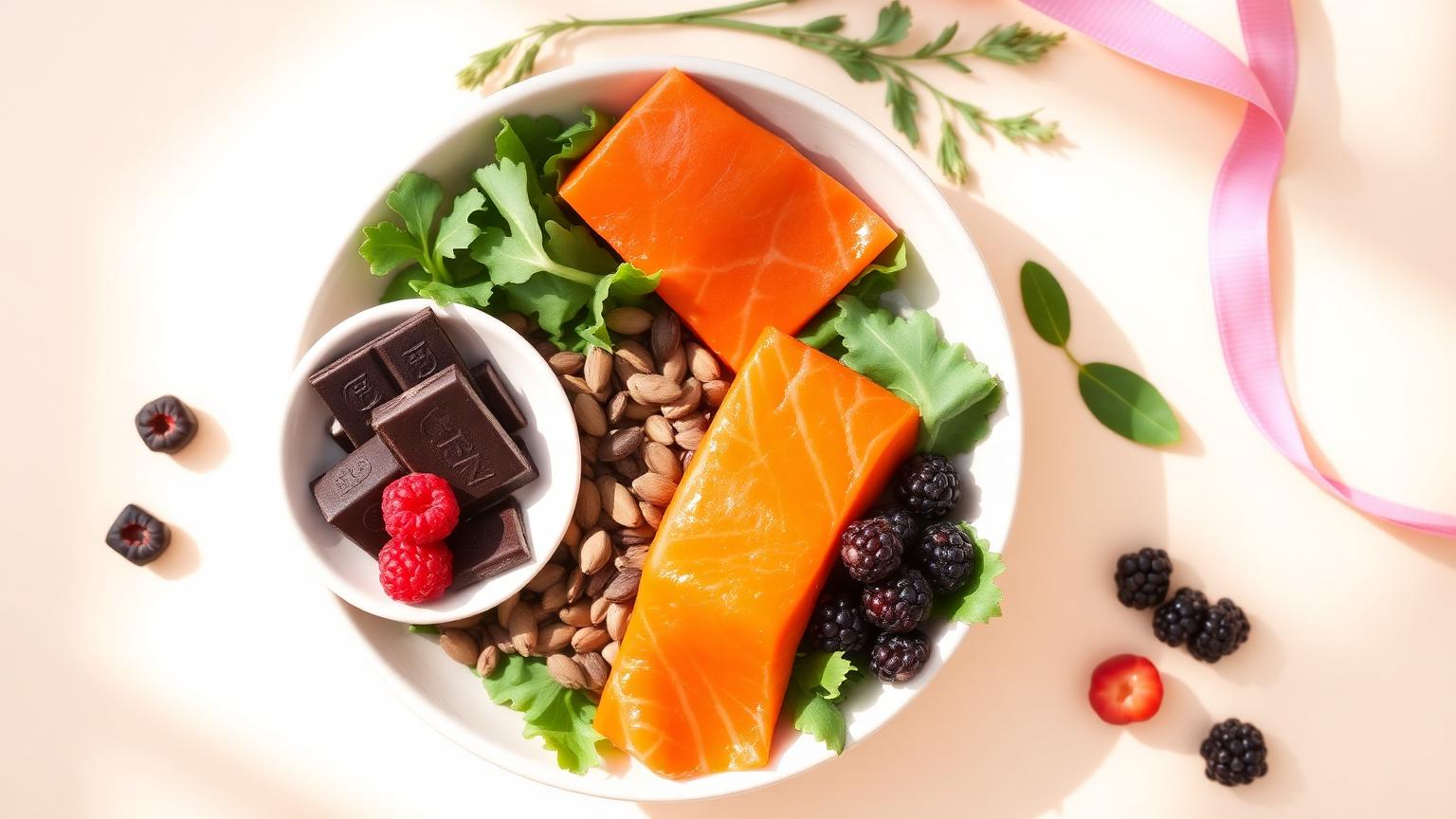
- Anchor every meal with protein and fat. Eggs, yogurt, nuts, fish, tofu — they slow the sugar rollercoaster right down.
- Don't skip meals to "make up" for cravings. An empty tank is a cranky tank.
- Pair your carbs. Fruit with nut butter, crackers with cheese. You still get the treat, minus the crash.
- Eat before you're desperate. Waiting until you're ravenous is how the 4 p.m. meltdown gets scheduled.
If cravings are the thing that runs the show for you, that's a whole layer worth supporting on its own — some women lean on Sweet Balance, designed for cravings and steadier energy, so willpower isn't doing all the heavy lifting.
4. Have an honest chat with caffeine and alcohol
We're not here to confiscate your iced latte. But during the luteal phase, both caffeine and alcohol punch above their weight.
Caffeine can amplify anxiety, jitteriness, and that wired-but-tired feeling, especially when serotonin is already low and sleep is already shaky. You don't have to quit — try moving your last cup earlier, going half-caf during PMS week, or swapping the third coffee for something gentler.
Alcohol is a classic false friend. It feels like it takes the edge off, then wrecks your sleep, dips your mood the next day, and messes with blood sugar — a triple threat when you're already fragile. Many women find that easing up on drinks in the days before their period noticeably softens the emotional whiplash.
5. Consider magnesium and vitamin B6
Two nutrients come up again and again in the PMS conversation, and for good reason.
- Magnesium plays a role in muscle relaxation, nervous-system regulation, and sleep — all things that go a bit haywire premenstrually. Many women find it helps them feel less tense and wound-up. It's in leafy greens, nuts, seeds, and dark chocolate (you're welcome).
- Vitamin B6 is involved in the production of serotonin and other mood-related neurotransmitters, which is exactly the system that dips before your period.
You can absolutely get these from food, and that's a great place to start. But cycle after cycle, food alone doesn't always cover it — which is where consistent daily support earns its place (more on that below).
6. Give your nervous system a reset: breathwork and journaling
When irritability spikes, your nervous system is stuck in "threat" mode. The fastest way back to calm isn't talking yourself out of it — it's signaling safety to your body directly.
- Try a longer exhale. Breathe in for four counts, out for six or eight. A longer out-breath nudges your nervous system toward calm. Two minutes is enough to feel it shift.
- Brain-dump journaling. Not a gratitude essay — just get the swirl out of your head and onto paper. Naming "I feel irrationally angry and I think it's my cycle" takes a surprising amount of power out of it.
- Track your cycle. When you can see the irritability coming, it stops feeling like a personal failing and starts feeling like weather. You dress for weather. You don't take it personally.
7. Set boundaries — and stop apologizing for the week you need less
Here's the reframe nobody hands you: PMS week is information about your capacity, not a defect to hide. If you know your fuse is short and your bandwidth is thin, you're allowed to plan around it.
- Don't schedule the emotionally expensive stuff — the tense meeting, the big confrontation — for your worst days if you can help it.
- Say no without the paragraph of excuses. "I can't this week" is a full sentence.
- Warn your people, lightly. "Heads up, I'm in my snappy era, it's not you" saves everyone a fight.
- Lower the bar on purpose. A quieter, softer week is not a failed week. It's a smart one.
Where daily supplement support fits in
Here's the thing about the toolkit above: it works best when it's consistent, not just deployed in a panic on day 26 when you're already unraveling. PMS irritability builds across the luteal phase, which means the goal is to support your body's foundation all cycle long — not to scramble for a fix once the storm has landed.
That's the role Full Balance is built for. It's Feme's daily foundation — hormone-free capsules designed to support overall balance, mood, and energy across your whole cycle, not just the days that catch you off guard. Think of it as the steady baseline underneath your habits: you're still sleeping, moving, and eating in ways that support you, and Full Balance is quietly holding the floor so those efforts have more to build on. Many women find that a consistent daily routine takes some of the sharp edges off the premenstrual dip.
Not sure which product actually fits your body and your specific set of symptoms? That's exactly what our quiz is for. Take the 3-minute quiz and get a recommendation based on what you're actually dealing with — no guessing, no buying four things and hoping.
A quick, honest note on the difference between the two big premenstrual complaints: for the days themselves — cramps, bloating, the fatigue and emotional ups and downs that show up out of nowhere — there's PMS SOS, an as-needed reset for when things flare. Full Balance is the foundation you take every day; PMS SOS is the backup you reach for in the moment. Different jobs. Most women find they want a bit of both.
When to loop in a doctor
Everything here is about the everyday irritability and premenstrual tension that many women navigate. But it's worth being clear-eyed: sometimes the mood shifts before a period are severe enough to genuinely disrupt your relationships, work, or sense of self — the kind of anxiety, dread, or low mood that feels much bigger than "a bit snappy."
If your symptoms are severe, if they persist beyond your period, or if they're affecting your daily life in ways that scare or exhaust you, please talk to a healthcare professional. This isn't about failing to cope on your own — it's about getting the right support, which sometimes lives outside anything a supplement or a habit can offer. There's no bravery award for suffering quietly, and asking is the strong move. Feme's products are here to support the everyday stuff; a doctor is here for everything bigger.
Putting it together
You don't have to master all seven habits by next week. Pick the one that sounds most doable — maybe it's protecting your sleep, maybe it's a longer exhale when you feel the snap coming — and build from there. Stack a steady daily foundation underneath it, plan around the week that asks for less, and give yourself the same grace you'd hand a friend. The goal was never to become someone who doesn't have a cycle. It's to stop organizing your whole life around white-knuckling through it.
Common does not mean acceptable. You deserve to feel good before, during, and after your period. Period.
FAQ
Why do I get so irritable before my period?
In the week or two before your period, estrogen and progesterone shift, and those hormones directly influence serotonin — the neurotransmitter tied to mood and calm. As serotonin activity dips, your tolerance for everyday annoyances tends to drop with it, which shows up as irritability, a short fuse, or feeling more anxious than usual. It's chemistry on a schedule, not a personality flaw.
What actually helps with PMS irritability naturally?
Many women find the biggest levers are consistent sleep, gentle movement, steady blood sugar (protein and fat with every meal), easing up on caffeine and alcohol, and nutrients like magnesium and vitamin B6. Breathwork with a longer exhale, journaling, and honest boundaries around your lower-capacity days help too. Consistency across the whole cycle tends to beat scrambling for relief once symptoms peak.
Can supplements help with premenstrual mood changes?
Supplements aren't a magic switch, but many women find that a consistent daily routine supports their overall balance, mood, and energy across the cycle. Feme's Full Balance is designed as an everyday, hormone-free foundation for exactly this. Not sure what fits your symptoms? Take the 3-minute quiz for a tailored recommendation.
When should I see a doctor about PMS mood symptoms?
If your mood changes are severe, persist beyond your period, or seriously disrupt your work, relationships, or wellbeing, talk to a healthcare professional. Supplements and lifestyle habits support the everyday premenstrual dip — but bigger, more disruptive symptoms deserve proper medical guidance, and reaching out for it is a smart, strong move.
Feel more like you — all cycle long
Your premenstrual week doesn't have to run the show. Build a steady daily foundation with Full Balance, designed to support mood, energy, and overall balance across your whole cycle — and see what a difference a little consistency makes.
These statements have not been evaluated by a regulatory authority. Feme products are supplements, not medicine, and are not intended to diagnose, treat, cure, or prevent any disease.