Best Supplements for Period Fatigue & Low Energy
You wake up, and it feels like someone swapped your batteries for the nearly-dead ones from the TV remote. Your coffee is doing nothing. The stairs feel personal. And the wild part? Your period isn't even here yet — it's the week before, and you're already running on fumes. If you've ever cancelled plans and blamed "being tired" without really knowing why, this one's for you.
Cyclical energy dips are incredibly common. Many women notice their get-up-and-go quietly get-up-and-leaves in the days before their period, then again during the heaviest days. Common, though, does not mean you signed up for it. Let's talk about what's actually going on — and, honestly and without the hype, which nutrients many women find supportive when energy runs low.
Before we go further: this is a rundown of ingredients, not a prescription. Supplements are supplements — they support a body that's already doing the hard work, and they're never a substitute for talking to a healthcare professional about persistent fatigue. If you want the deeper backstory on the hormonal shifts behind this, we wrote a whole piece on why you're so tired before your period.
Why period fatigue hits (the short, non-boring version)
Across a cycle, your hormones move — and so does the way your body handles energy, fluid, sleep quality, and even appetite. In the luteal phase (the roughly two weeks after ovulation, before your period), a rise in progesterone can leave many women feeling heavier, foggier, and more ready for a nap at 3pm than a workout. Then bleeding itself, especially if it's on the heavier side, means losing iron each month — and iron is a big deal for energy.
Layer on the usual suspects — patchy sleep, skipped meals, stress, back-to-back everything — and "tired before my period" turns into a monthly pattern. The nutrients below won't rewrite your biology, but they're the ones most often talked about for supporting steady, cyclical energy. We'll go one by one, with the good and the caveats.
Supplements for period fatigue, ingredient by ingredient
Iron — the one to test before you touch
What it does: Iron helps your body make hemoglobin, the protein that ferries oxygen around. Low iron is one of the most common reasons for fatigue in menstruating women, precisely because you lose a little iron with every period. If your energy tanks and you also feel breathless on stairs, look pale, or your hair is being dramatic, low iron can be part of the picture.
The honest caveat: Iron is the one nutrient here you genuinely should not guess on. More is not better — too much iron can cause real problems, and the only way to know your levels is a blood test (ferritin, plus a full iron panel). Ask your doctor to check before supplementing. If you're low, they'll guide the dose; if you're not, iron won't magically add energy and can just upset your stomach. Test, don't guess. This is the caveat we'll die on.
Vitamin B12 & B6 — the energy-metabolism duo
What they do: B12 supports normal energy-yielding metabolism and normal red blood cell formation — the machinery that turns food into usable fuel. B6 plays a role in normal psychological function and in regulating hormonal activity, which is why it shows up so often in conversations about the premenstrual stretch. Together they're a classic pairing for supporting energy and mood balance.
The honest caveat: B vitamins are helpers, not espresso. If you're genuinely low (more common if you eat little or no animal products, in the case of B12), topping up can make a real difference to how you feel. If your levels are already fine, you'll mostly produce very expensive, brightly colored pee. They support energy metabolism — they don't manufacture energy out of thin air.
Magnesium — the quietly-does-a-lot mineral
What it does: Magnesium contributes to normal energy-yielding metabolism, normal muscle function, and the reduction of tiredness and fatigue. Many women find it supportive around their period, when muscles feel tense and sleep gets restless — and better sleep is, funnily enough, one of the most underrated energy strategies there is.
The honest caveat: Magnesium is broadly well-tolerated, but the cheaper forms (like magnesium oxide) can send you sprinting to the bathroom. Gentler forms such as magnesium glycinate or citrate tend to sit better. It supports a calmer, better-rested you — it's not a sedative and it won't knock you out.
Vitamin D — the one most of us are quietly short on
What it does: Vitamin D contributes to normal muscle function and the normal function of the immune system, and low levels are frequently linked in the research with low mood and low energy. Given how many people — especially anyone spending most daylight hours indoors or living somewhere with real winters — run low, it's a sensible one to have on the radar.
The honest caveat: Like iron, vitamin D is fat-soluble, which means your body stores it and megadosing isn't smart. A blood test tells you where you actually stand. Many women find a modest daily amount helpful through darker months; more is not automatically better, and it's worth a quick chat with a professional if you're unsure of your level.
CoQ10 — the cellular spark plug
What it does: Coenzyme Q10 is involved in the way your cells' mitochondria produce energy — think of it as part of the spark-plug crew inside each cell. Your body makes its own, but natural levels tend to drift down with age, which is why it's a popular addition for people chasing steadier day-to-day energy.
The honest caveat: The evidence here is promising rather than dramatic, and effects are subtle — this is a slow-burn supporter, not a switch you flip. It's generally well-tolerated. Set expectations accordingly: supportive, gradual, not a jolt.
Adaptogens — the stress-buffer squad
What they do: Adaptogens are botanicals — think ashwagandha, rhodiola, ginseng — traditionally used to help the body feel more resilient to everyday stress. Since stress and fatigue are basically roommates, many women find this category appealing when the pre-period week feels like being wrung out.
The honest caveat: "Adaptogen" is a broad, buzzy umbrella, and quality varies wildly between products. Some botanicals can interact with medications or aren't suitable during pregnancy or breastfeeding, so this is a category to approach with a bit of homework and a professional's input if you're on anything. Supportive for stress resilience — not a cure for burnout, and not a reason to skip actual rest.
The unsexy foundations nutrients can't replace
Here's the part supplement brands don't always want to say out loud: no capsule outruns a genuinely depleted lifestyle. Nutrients support a body that's being cared for — they can't paper over the basics. So, in the same breath:
- Sleep is the original energy supplement. Even a slightly earlier, more consistent bedtime around your period does more than most pills.
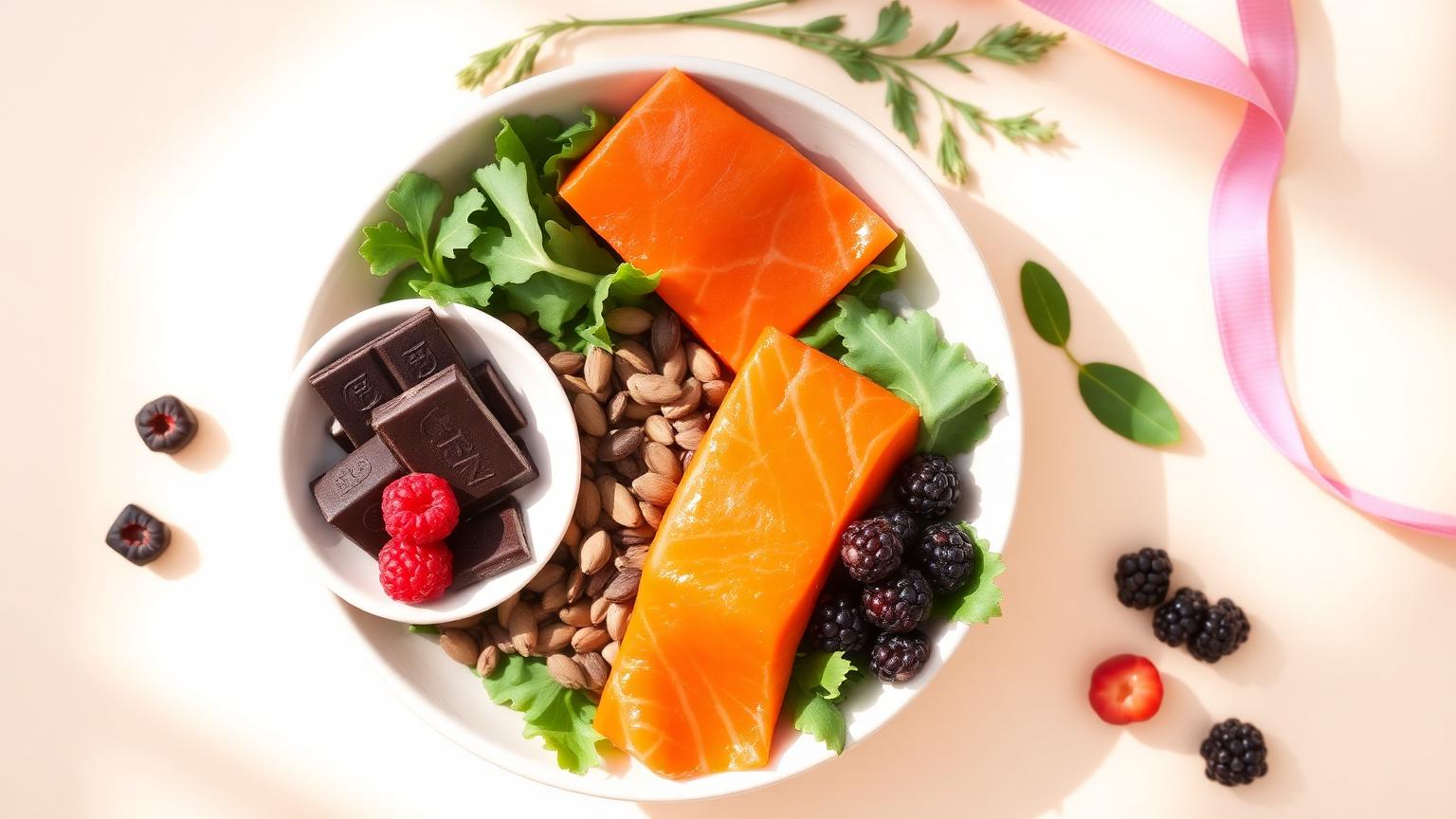
- Protein and iron-rich food — think eggs, beans, leafy greens, meat or fortified alternatives — give your body the raw materials to actually make energy.
- Water, unglamorously, matters. Mild dehydration reads as fatigue all the time.
- Gentle movement on low days — a walk, a stretch — often gives more back than it takes, even when the couch is calling.
Get these humming, and the right supplements have something to build on. Skip them, and you're asking a lot of a tiny capsule.
Where Mojo fits in
So where does Feme come in? Mojo is our daily formula built around exactly this conversation — energy, desire, and vitality — for the days you want to feel more like yourself and less like a phone stuck at 4%. It's designed for consistent, everyday support rather than a caffeine-style spike, which is the whole point: cyclical energy is a pattern, so the support works best as a pattern too.
A few honest notes, because that's how we do things here:
- Mojo is a daily foundational layer, not an emergency fix. Consistency is where many women notice the difference — think weeks, not one dramatic afternoon.
- It's designed to support energy and vitality — not to replace testing for iron or vitamin D, and not to replace a doctor if your fatigue is persistent, sudden, or severe. That's a "please get checked" situation, full stop.
- It sits alongside the rest of your routine — sleep, food, water, movement — rather than competing with it.
If the pre-period slump is your specific villain, Mojo is designed to be part of your daily corner. And if you want help figuring out whether energy is actually your main storyline — versus cravings, cramps, or overall balance — the fastest route is to take the 3-minute quiz. It reads your patterns and points you to the support that fits, instead of you buying four things and hoping.
How to build a simple daily routine
You don't need a 12-step regimen or a supplement shelf that looks like a pharmacy. Here's a low-drama way to approach it:
- Step 1 — Test the testables. Before buying anything, ask your doctor to check iron (ferritin) and vitamin D. These two answers reshape everything else. Guessing here is how people waste money and, occasionally, overdo it.
- Step 2 — Pick a daily base. Choose one consistent daily formula — like Mojo — designed to support everyday energy and vitality, and actually take it consistently. A brilliant supplement in the cupboard does nothing.
- Step 3 — Anchor the basics. Attach your capsule to something you already do — morning coffee, brushing your teeth — so it becomes automatic. Then protect sleep and hydration like they're part of the routine, because they are.
- Step 4 — Give it a real runway. Cyclical support reveals itself over a couple of cycles, not a couple of days. Track how you feel across the pre-period week specifically, so you're comparing like with like.
- Step 5 — Adjust with intention. If cravings or cramps are also loud, that's a signal to look at the wider Feme range rather than piling on more energy pills. Start with the need, not the panic-buy.
That's it. Test, base, basics, patience, adjust. Boring on purpose — because boring, repeated, is what actually works.
FAQ
What is the best supplement for period fatigue?
There isn't one universal answer, and anyone promising one is selling something. The most useful first move is testing iron and vitamin D, since low levels of either are common energy-drainers. Beyond that, many women find B vitamins, magnesium, CoQ10, and adaptogens supportive for cyclical energy. A daily formula like Mojo is designed to bring supportive ingredients together in one consistent step — but the "best" choice depends on your body, which is exactly what the quiz helps you narrow down.
Can low iron be why I'm so tired before my period?
It can absolutely be part of the picture. Because you lose iron with each period, menstruating women are more prone to running low, and low iron is a well-known contributor to fatigue. The catch is that you can't feel your iron level — you have to test it with a blood test. Please don't start iron supplements on a hunch; ask a healthcare professional to check first, because too much iron carries its own risks.
How long until supplements help with energy?
Patience, friend. Nutrients that support cyclical energy generally reveal themselves over weeks — often a couple of full cycles — rather than overnight. If you're correcting a genuine deficiency (like iron or B12), you may notice change sooner. Anything promising a same-day energy transformation is describing caffeine, not nutrition. Give a daily routine a real runway before you judge it.
Are these supplements safe to take together?
Many of these nutrients are commonly combined, which is why formulas exist in the first place. That said, iron and fat-soluble vitamins (like D) shouldn't be megadosed, and some adaptogens can interact with medications or aren't suitable during pregnancy or breastfeeding. If you're on any medication, pregnant, breastfeeding, or managing a health condition, run your plan past a healthcare professional first. Supplements support your routine — they don't replace that conversation.
The takeaway
Feeling wiped the week before your period is common — but "common" was never the same as "just deal with it." Test what's worth testing, feed the basics, pick a daily base you'll actually stick to, and give it time. Support, not miracles; consistency, not chaos.
Not sure whether energy is really your headline or a supporting character? Take the 3-minute quiz and let your patterns point the way — then meet Mojo, our daily formula designed for more energy, more desire, more you. Feel good before, during, and after your period. Period.
These statements have not been evaluated by a regulatory authority. Feme products are supplements, not medicine, and are not intended to diagnose, treat, cure, or prevent any disease.