How to Get Rid of Period Bloating Fast: 12 Fixes That Work
Short answer: to get rid of period bloating fast, move for 20–30 minutes, drink more water (not less), take magnesium in the evening, load up on potassium-rich food, cut salt and fizzy drinks for 48 hours, and add gentle heat. Most bloating eases within 24–48 hours of starting; the puffiness itself usually clears 2–3 days after your period begins.
You know the feeling. You got dressed this morning and everything fit. Then, seemingly out of nowhere, your jeans stage a protest, your favorite ring won't budge, and your stomach looks like you swallowed a balloon whole. Welcome to period bloating — the uninvited guest that shows up right when you'd like to feel your most put-together.
Here's the thing: bloating around your cycle is incredibly common. Common, though, does not mean you have to just sit there and endure it while your waistband files a complaint. There are real, doable things that many women find help them feel less puffy and more like themselves — often within a day, sometimes within hours.
So let's skip the vague "drink more water and relax" advice (okay, water's on the list, but we'll do better than that) and get into 12 things that actually work when you want to know how to reduce period bloating fast.
First, a quick reality check on why you're bloated
Before the list, a 10-second explainer helps everything else make sense. In the days before and during your period, shifting hormone levels can encourage your body to hold onto extra water and salt, and digestion can slow down a little too. Translation: more fluid retention, more gas, more "why do I look four months pregnant" energy. If you want the full breakdown, we wrote a whole deep-dive on why period bloating happens and how long it lasts — including specifically why you bloat before your period — and what's going on behind the scenes.
For now, just know this: the tactics below are designed to work with your body — easing water retention, keeping things moving, and calming the puff. Let's go.
12 ways to reduce period bloating fast
1. Move your body (even a lazy walk counts)
When you're bloated, the couch is calling your name. Answer it later. Gentle movement — a 15-minute walk, a slow bike ride, dancing badly in your kitchen — helps stimulate digestion and encourages your body to release retained fluid. You don't need a sweaty gym session. Many women find that a short walk after eating is one of the fastest ways to feel less stuck and puffy. Bonus: movement releases feel-good chemicals, so your mood gets a little upgrade too.
2. Drink more water (yes, when you're already water-logged)
It feels backwards, but stay with us. When you're dehydrated, your body clings to whatever water it can get — hello, retention. Giving it a steady supply of water actually signals it can let go of the excess. Keep a bottle nearby and sip through the day rather than chugging a liter at once. Add lemon or cucumber if plain water bores you into forgetting it exists.
3. Get some magnesium in
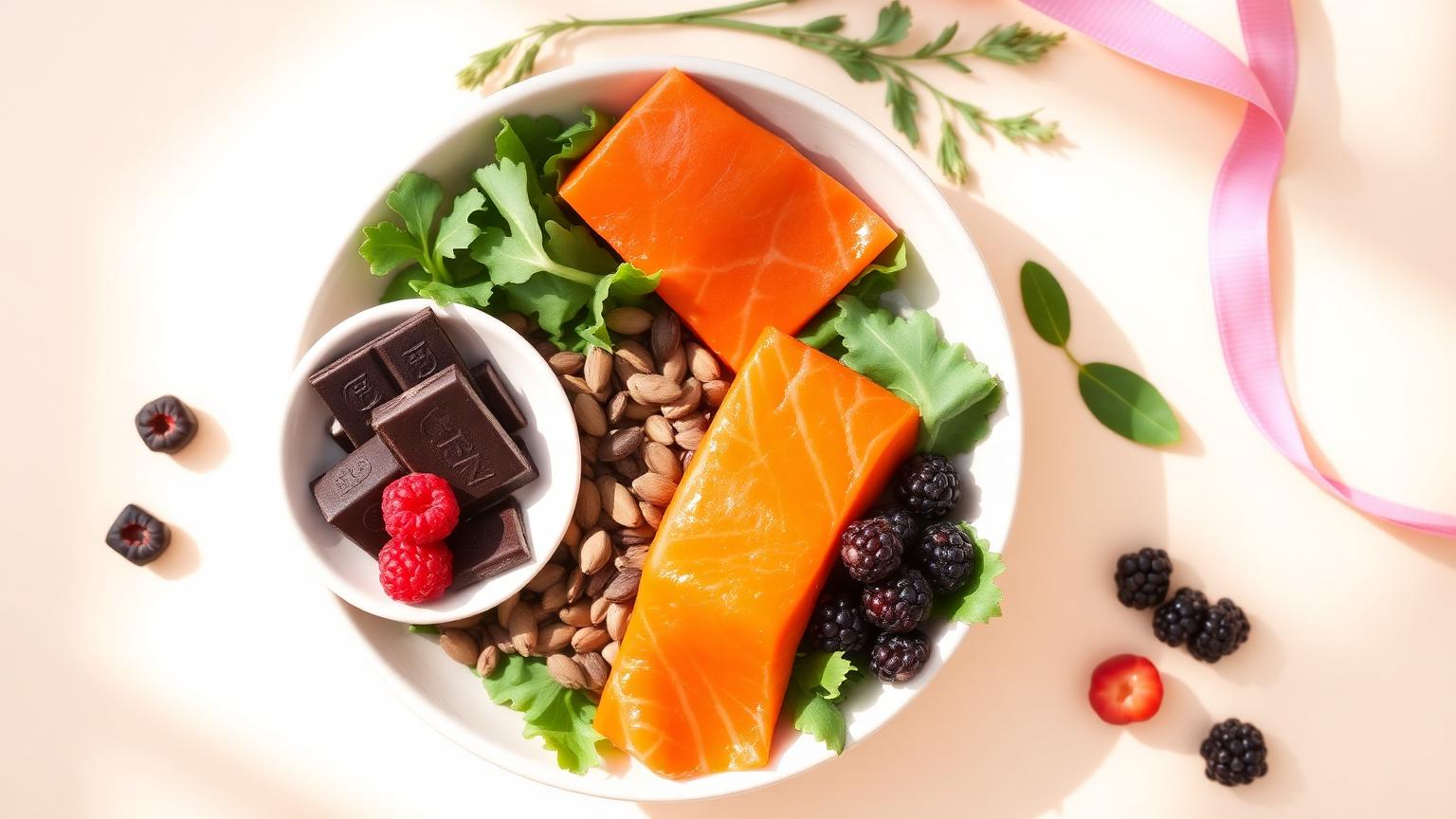
Magnesium is a bit of a multitasker. It's involved in muscle relaxation and fluid balance, which is exactly the department that's causing you grief right now. You'll find it in foods like dark leafy greens, nuts, seeds, and (thank goodness) dark chocolate. Many women find magnesium a helpful part of their around-the-period routine when bloating and general blah-ness team up against them.
4. Brew a cup of ginger or peppermint tea
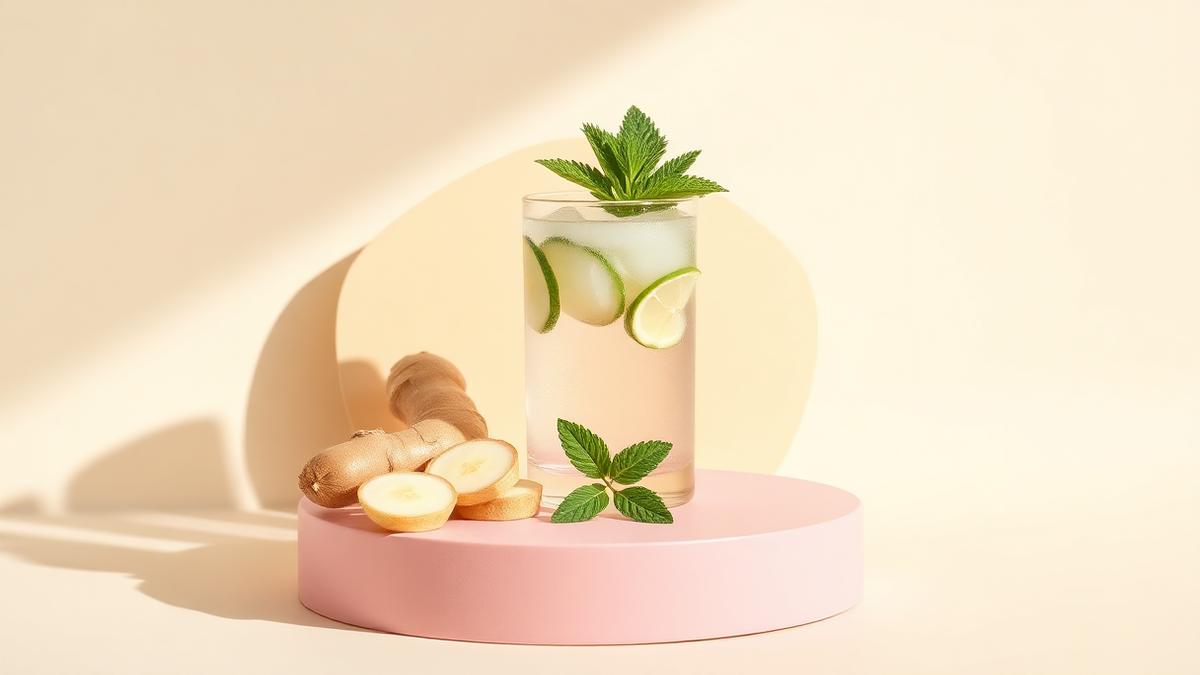
This is the coziest item on the list, and it earns its spot. Ginger has long been used to support digestion and settle an unhappy stomach, while peppermint is a classic for easing that tight, gassy feeling. Making a warm cup is also a built-in excuse to sit down for ten minutes and not be doing anything productive, which — let's be honest — is its own kind of medicine.
5. Eat potassium-rich foods
Here's a neat little balancing act: potassium helps offset sodium, and sodium is a big driver of water retention. So loading up on potassium-rich foods can help your body flush out some of that extra fluid. Reach for:
- Bananas — the OG potassium snack
- Avocado — brunch was right all along
- Sweet potatoes — cozy and helpful
- Spinach — sneak it into a smoothie
- Cantaloupe and oranges — hydrating and sweet
6. Cut back on excess salt
If potassium is the hero, excess sodium is the villain of this particular story. Salty snacks, takeout, processed foods, and that irresistible bag of chips all encourage your body to hold onto water — the exact opposite of the goal. You don't have to go bland and joyless. Just be a little more mindful of the salt shaker and heavily processed stuff in the days when you're most prone to puffing up.
7. Do a few gentle stretches or yoga poses
You don't need to be bendy. A few simple poses can help release trapped gas and ease that bloated, cramped-up tension. Try:
- Child's pose — gently compresses the abdomen and feels like a hug
- Supine twist — lie on your back, drop your knees to one side, breathe
- Cat-cow — a slow flow that massages your midsection
- Wind-relieving pose — knees to chest (it's named exactly what you think it is)
Five minutes on the floor before bed can make a genuine difference.
8. Take a warm bath
A warm bath is deceptively powerful. The heat helps relax tense abdominal muscles, and taking a moment to actually unwind can ease the stress that often makes bloating feel worse. Toss in some Epsom salts (that's magnesium again — see, it keeps coming up) and give yourself permission to do absolutely nothing for twenty minutes.
9. Prioritize sleep
Skimping on sleep throws off the hormones that regulate appetite, stress, and — you guessed it — fluid balance. When you're running on four hours and vibes, everything feels worse, bloating included. Aim for a solid night's rest, especially in the days leading up to your period. Think of it as the least effortful item on this list: you literally just lie there.
10. Ease up on carbonation
Sparkling water and soda are fun until you realize you're basically drinking bubbles that then set up camp in your stomach. All that carbonation is trapped gas waiting to happen. If you're already bloated, swap the fizzy stuff for still water or herbal tea for a day or two and see if the difference surprises you.
11. Support your digestion
Since sluggish digestion is part of the bloat equation, giving your gut a little help goes a long way. Fiber-rich foods, fermented options like yogurt or kimchi, and simply eating slowly (instead of inhaling lunch at your desk) can all support smoother digestion. Chewing properly sounds almost too simple to matter — but gulping air with fast eating is a sneaky bloat contributor.
12. Reach for PMS SOS when you need an on-the-go reset
Sometimes bloating catches you off guard when you're nowhere near your kitchen, your bathtub, or your yoga mat — you're at work, on a date, or halfway through a day that won't slow down. That's exactly what PMS SOS is for. It's a hormone-free, as-needed gummy designed for the days that catch you off guard, offering on-the-go support for bloating, cramps, fatigue, and the emotional ups and downs that like to travel in a pack.
Think of it as the reset button you keep in your bag — no water needed, no big routine, just support when the moment demands it. Because "just deal with it" was never a real plan.
Fast fixes vs. the bigger picture
Everything above is great for right now. But if bloating (and its friends — cramps, cravings, low energy, mood swings) shows up like clockwork every single cycle, it might be worth thinking beyond the quick reset.
Foundational, everyday support can help many women feel steadier across the whole month, not just on the rough days. That's the idea behind daily support like Full Balance — consistent, hormone-free help for overall balance, mood, and energy, all cycle long. Pair it with PMS SOS for those catch-you-off-guard moments, and you've got a plan for both the day-to-day and the surprise attacks.
Not sure which combination fits your body and your patterns? That's genuinely the hardest part, and it's why we built a shortcut. Take the 3-minute quiz and get a personalized recommendation based on how your cycle actually shows up — because the right support starts with your need, not a phase on a calendar.
How to debloat overnight: a 12-hour plan
If you want to wake up feeling less like a balloon, the window that matters is the evening before. Nothing here is dramatic — it just stops you adding to the puff while your body clears it.
- Dinner, 3 hours before bed: keep it low-salt and cooked rather than raw. A big raw salad is healthy and gassy at the same time.
- Skip the fizz and the alcohol: both slow down how fast fluid leaves you and add gas you don't need.
- 500ml of water in the evening, then taper: hydration signals your body it can stop hoarding.
- Magnesium about an hour before bed: it supports muscle relaxation, including the muscle of your gut wall, and helps sleep — which is itself a water-retention factor.
- Ten minutes of gentle movement or stretching: a walk around the block, or knees-to-chest and a supine twist on the floor.
- Warmth: a bath or a heat pack on your lower belly before bed.
- Sleep slightly propped and on your left side: it helps gas move through instead of sitting.
You won't wake up a different person, but the difference between doing this and a salty takeaway plus a fizzy drink is usually a visible one.
PMS water retention: why the scale jumps 2–5 lbs
Most of what you're seeing isn't fat and it isn't food. In the second half of your cycle, the rise and then the drop in progesterone and oestrogen changes how your kidneys handle sodium, and your body holds on to more fluid than usual. Two to five pounds of swing across a week is completely ordinary, and it reverses on its own once your period is underway.
To reduce PMS water retention specifically: bring salt down for the week rather than the day, bring potassium up (bananas, potatoes with skin, leafy greens, beans, avocado), keep drinking, and keep moving — muscle contraction is what actually pumps fluid out of your tissues. Ironically, cutting water makes retention worse, because a body that thinks it's short on fluid holds on harder.
If you'd rather not fight the same week every month, it helps to start a few days before the bloat, not after. Our guide to why you bloat before your period walks through that timing.
What to take for PMS bloating — and what to skip
There's no single "PMS bloating medicine," and anything that promises to cure bloating overnight is selling you something. What has reasonable support behind it:
- Magnesium: the most commonly used mineral for premenstrual water retention and cramping, and the easiest to be low on.
- Vitamin B6: often paired with magnesium for premenstrual symptoms.
- Ginger and peppermint: both traditionally used for digestive comfort; peppermint tea after meals is a low-effort win.
- Potassium from food: more useful than any tablet for fluid balance.
- Gentle NSAIDs: useful for cramps, not really for bloating, and hard on some stomachs.
What to be careful with: diuretic "water pills" bought casually, harsh detox teas (they're usually laxatives, which leave you dehydrated and more bloated afterwards), and cutting food groups on a whim. If you want the wider picture on over-the-counter choices, we cover them in this guide to OTC PMS relief.
Why you can still be bloated after your period ends
Bloating that lingers a few days past your period is usually the tail end of the same fluid shift plus a gut that's still catching up — prostaglandins that loosened things during bleeding can leave your digestion out of rhythm for a day or two. Iron supplements, if you take them for heavy periods, are another common culprit, since they slow the bowel for a lot of people.
What isn't typical: bloating that never fully goes away, that gets worse month on month, that comes with severe pain, or that changes your bowel habits permanently. That deserves a doctor's appointment rather than another remedy — it can point to IBS, endometriosis, thyroid issues, or ovarian problems.
FAQ
How long does period bloating usually last?
It varies from person to person, but many women notice bloating starting a few days before their period and easing up once it's underway or shortly after. If yours tends to linger or feels severe, the tactics above — movement, hydration, watching salt, and gentle support — can help you feel more comfortable in the meantime. And if anything ever feels off or unusually intense, it's always worth checking in with your doctor.
What can I eat to reduce bloating quickly?
Lean toward potassium-rich foods like bananas, avocado, and leafy greens, stay hydrated with plenty of water, and sip on ginger or peppermint tea. At the same time, ease up on salty, heavily processed foods and carbonated drinks, which tend to encourage water retention and trapped gas. Eating slowly helps too — fast eating means swallowing more air.
Does PMS SOS help with bloating?
PMS SOS is a hormone-free supplement designed for as-needed support on the days that catch you off guard, including moments of bloating, cramps, fatigue, and emotional ups and downs. Many women find it a convenient on-the-go option to keep in their bag for when they need a reset. It's a supplement, not medicine — think support, not a cure.
Can exercise really make bloating better?
For a lot of people, yes. Gentle movement like walking, stretching, or light yoga can help stimulate digestion and encourage your body to release retained fluid. You don't need an intense workout — even a short walk after a meal is something many women find genuinely helpful when they're feeling puffy.
How do you get rid of period bloating?
Fastest wins first: a 15-minute walk, a big glass of water, ginger or peppermint tea, and easing off salt and carbonation for the day. Then the slower wins — sleep, potassium-rich food, and an as-needed reset like PMS SOS in your bag. If you want the reason it happens at all, that's in our period bloating explainer.
How do you stop hormonal bloating before your period?
You can't switch off progesterone, but you can stop feeding the puff: front-load water and potassium in the week before your period, keep moving on the days you least want to, and skip the salt-heavy dinners that turn a mild bloat into a full balloon. Many women find that starting a couple of days early makes a real difference to how the week feels.
How do you reduce PMS water retention?
Lower salt for the whole premenstrual week rather than a single day, raise potassium through food (bananas, potatoes, leafy greens, beans, avocado), keep drinking water, move daily so muscle contraction pushes fluid out of your tissues, and consider magnesium in the evening. Cutting water backfires — a body that thinks fluid is scarce holds on to more of it.
Is there a medicine for PMS bloating?
There is no specific medicine for PMS bloating. Magnesium, vitamin B6, ginger and peppermint are the most commonly used supports, and painkillers help cramps rather than the puff. Avoid casual use of water pills and detox teas, which usually leave you more dehydrated and more bloated afterwards.
How can I debloat overnight?
Eat a low-salt, cooked dinner about three hours before bed, skip fizzy drinks and alcohol, drink water through the evening, take magnesium about an hour before bed, do ten minutes of gentle stretching or a short walk, use heat on your lower belly, and sleep on your left side. It won't erase bloating, but it stops you adding to it while your body clears fluid overnight.
Why am I still bloated after my period?
A few days of bloating after bleeding stops is normal — it's the tail of the same fluid shift, plus digestion re-settling after prostaglandins have sped things up. Iron supplements taken for heavy periods are another frequent cause. Bloating that never fully resolves, worsens each month, or comes with severe pain is worth a doctor's opinion.
How do I not look bloated on my period?
Give yourself 24–48 hours of the basics — movement, water, potassium, less salt, no fizzy drinks — and dress around it rather than against it: softer waistbands and looser layers over your middle. Bloating peaks in the day or two before bleeding starts and typically settles 2–3 days in, so the worst of it is short.
The bottom line
Period bloating may be common, but organizing your whole day around your waistband definitely isn't the goal. A little movement, smart hydration, potassium over excess salt, some cozy tea, and a proper night's sleep can go a long way fast — and when bloating strikes at the worst possible moment, PMS SOS is there for the on-the-go reset.
Ready to figure out exactly what your cycle needs? Take the 3-minute quiz and get support built around your body — because you deserve to feel good before, during, and after your period. Period.
These statements have not been evaluated by a regulatory authority. Feme products are supplements, not medicine, and are not intended to diagnose, treat, cure, or prevent any disease.