Cycle syncing food: what to eat in each phase
Cycle syncing means matching food and movement to the four phases of your cycle instead of eating identically all month. It isn't magic and it isn't strict — it's a way of noticing that your body asks for different things in week 1 than in week 4.
The four phases, briefly
| Phase | Days (28-day cycle) | Hormones | How it usually feels |
|---|---|---|---|
| Menstrual | 1–5 | All low | Low energy, inward, iron leaving |
| Follicular | 6–13 | Estrogen rising | Sharper focus, more capacity |
| Ovulatory | 14–16 | Estrogen peak, LH surge | Peak energy and confidence |
| Luteal | 17–28 | Progesterone rises then falls | Appetite up, mood softer, PMS at the end |
Menstrual phase: replenish
- Iron-rich food: red meat, lentils, tofu, spinach — with vitamin C to improve absorption
- Warm, cooked meals over cold and raw
- Plenty of fluids and a little more salt if you're lightheaded
- Gentle movement: walking, stretching, rest without guilt
Follicular phase: build
- Lean protein and fresh vegetables; your body handles carbohydrate best here
- Fermented foods — kimchi, yoghurt, sauerkraut — for gut and estrogen metabolism
- Sprouted seeds, pumpkin and flax, if you follow seed cycling
- Movement: the best window for strength training and hard cardio
Ovulatory phase: clear
- Cruciferous vegetables — broccoli, cabbage, cauliflower — support estrogen clearance
- Berries and leafy greens for antioxidants
- Light, fibre-rich meals; appetite is often naturally lower
- Movement: high-intensity work feels easiest here
Luteal phase: steady
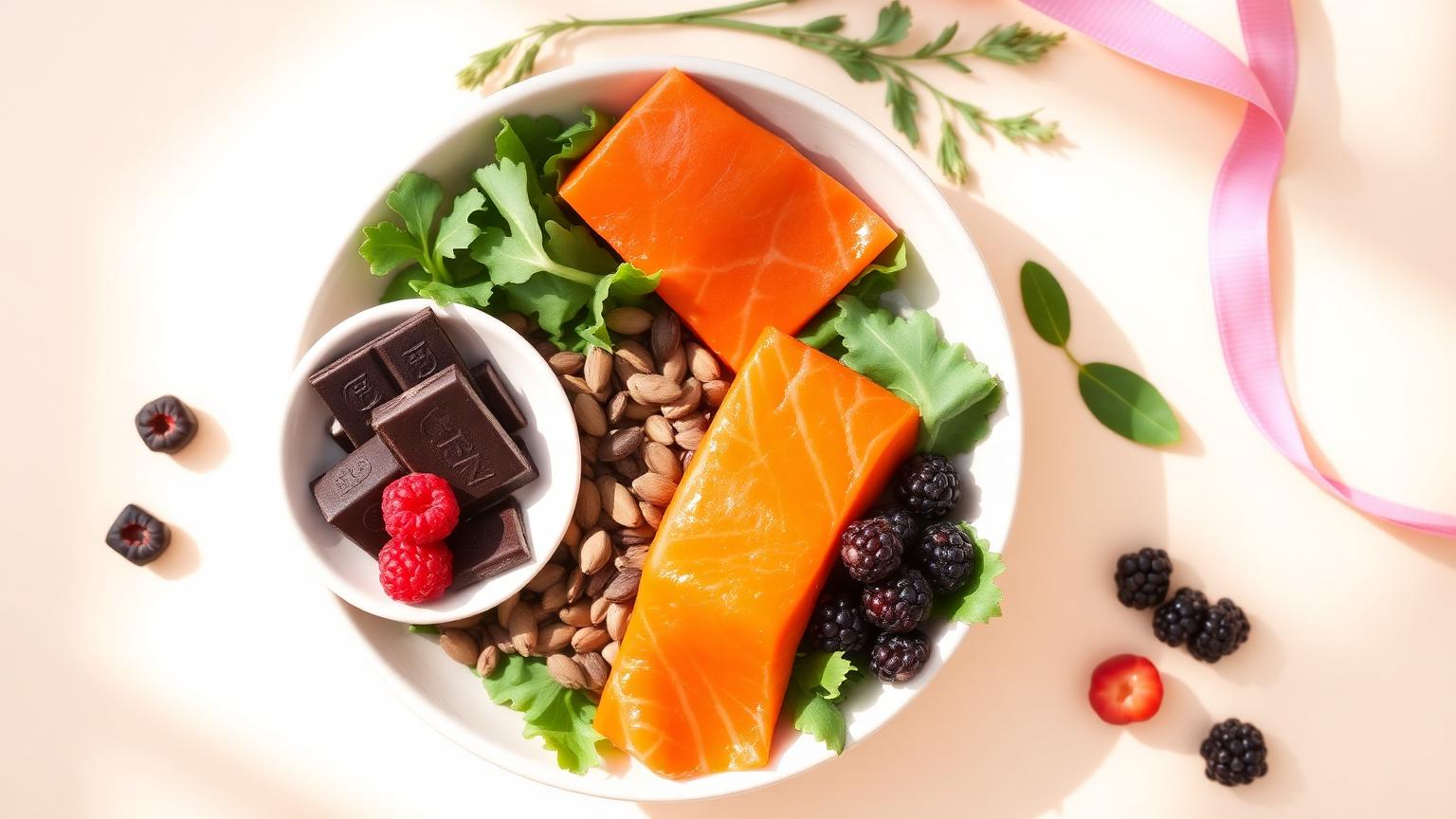
- Magnesium daily: pumpkin seeds, dark chocolate, leafy greens
- Protein at every meal to keep blood sugar level
- Complex carbohydrate at dinner — supports serotonin and sleep
- Less alcohol and salt; more water
- Movement: pilates, yoga, walking, lighter lifting
If your cycle isn't 28 days, count backwards instead: the luteal phase is roughly the last 12–14 days before bleeding, whatever your total length.
Does cycle syncing have evidence?
The hormonal changes are well established; the specific food-per-phase protocols are largely extrapolation rather than trial-tested. What's reasonable to expect: better energy management, fewer craving spirals, and a more forgiving relationship with the weeks where you have less capacity. That's worth having, even without a randomised trial behind every food list.
Make it yours
The Feme hormone quiz builds a personalised version of this — your phase lengths, your dominant symptoms, and a downloadable cycle-phase diet you can put on the fridge. If cravings dominate your luteal phase, our guide to sugar cravings before your period goes deeper on that one week.
Frequently asked
What is cycle syncing?
Cycle syncing is adjusting food, movement and workload to the four phases of your menstrual cycle — menstrual, follicular, ovulatory and luteal — rather than keeping the same routine all month.
What foods should I eat in the luteal phase?
Magnesium-rich foods, protein at every meal, and complex carbohydrates at dinner. Reduce alcohol and salt, which worsen sleep and bloating in this phase.
Does cycle syncing really work?
The underlying hormonal shifts are real and well documented. The specific food protocols are mostly extrapolated rather than trial-proven, but the practice reliably helps with energy planning and craving management.
How do I cycle sync if my periods are irregular?
Count backwards from your period rather than forwards from day 1: the luteal phase is roughly the last 12–14 days before bleeding. If your cycles vary by more than a week regularly, that's worth raising with a clinician.