Why Am I So Tired Before My Period? Causes and Energy Fixes
If you've ever checked your calendar, realized you're five days from your period, and suddenly understood why you've wanted a nap since Tuesday, you're in good company. So, why am I so tired before my period? Usually it comes down to a few overlapping factors:
- hormones dropping late in the luteal phase
- lighter or broken sleep
- blood sugar swings
- mood changes
- for some women, low iron
Each of these has practical steps you can take. Below is what's going on, what helps, and how to tell when it isn't "just PMS."
Key takeaways
- Tiredness before your period usually peaks in the late luteal phase, in the days before bleeding starts.
- The main causes are:
- falling estrogen and progesterone
- a slightly higher body temperature that can disturb sleep
- blood sugar crashes
- PMS-related low mood
- Low iron matters most if your periods are heavy. Only a blood test can confirm it.
- Sleep habits, steady meals, gentle movement and planning around your cycle may make a real difference.
- If you're exhausted all month, have severe mood symptoms or bleed heavily, see a healthcare provider.
The Short Answer: Why Am I So Tired Before My Period?
Feeling wiped out before your period is very common. Medical News Today describes fatigue as a common PMS symptom. theSkimm notes that as many as 90% of menstruating people get some premenstrual symptoms. PMS symptoms typically appear in the one to two weeks before menstruation, and many people find their fatigue is worst in the final few days before bleeding starts.
The main suspects:
- Hormones dropping. Estrogen and progesterone both fall before your period. Parsley Health notes that fatigue often peaks in the final days, when progesterone drops.
- Poorer sleep. Hormone changes, cramps and a little extra body heat can make your nights lighter and more broken.
- Blood sugar dips. Luteal cravings lead to sugary snacks, and sugary snacks lead to crashes.
- Mood changes. Irritability, anxiety and low mood use up a lot of energy.
- Iron. If your periods are heavy, low iron can build up over months and add to the problem. Iron is lost during bleeding, so this kind of tiredness often lingers through and after your period too.
Common doesn't mean you have to grit your teeth and push through. There are practical, hormone-free ways to support your energy, covered below. If your exhaustion is severe or doesn't go away, talk to a healthcare provider.
What's Happening in Your Body During the Luteal Phase
Your cycle has four phases, and your energy tends to follow them. Here's a rough map. Everyone's timing is a little different.
| Phase | Approx. days (28-day cycle) | What hormones are doing | Typical energy pattern |
|---|---|---|---|
| Menstrual | 1–5 | Estrogen and progesterone at their lowest | Low at first, often improving once bleeding settles |
| Follicular | 1–13 (overlaps with menstruation) | Estrogen rising | Building, with more motivation |
| Ovulatory | Around 14 | Estrogen peaks, LH surges | Often your highest energy |
| Luteal | 15–28 | Progesterone rises, then both hormones fall | Steady early on, then dipping in the last week |
Progesterone: the calming hormone that then disappears
After ovulation, progesterone rises. It may have a calming, almost sedative effect, so early luteal days can feel mellow and slightly sleepy. RingConn describes progesterone as a natural sedative in the luteal phase. It adds that the later drop, together with a higher core temperature and mood shifts, can affect sleep. If you don't get pregnant, progesterone and estrogen both fall before your period, and many women notice their energy falling with them.
A warmer body means lighter sleep
Your basal body temperature rises slightly after ovulation, often cited as about 0.5–1°F, and stays up until your period. Your body cools down to fall into deep sleep, so even a small rise can make sleep lighter and more broken. Some sources also suggest that sleep architecture, including REM sleep, may change in the luteal phase.
Serotonin, mood and appetite
Estrogen affects serotonin, a brain chemical tied to mood, motivation and appetite. Medical News Today notes that premenstrual fatigue is thought to be linked to serotonin levels, which can fluctuate before a period. That can show up as low drive, a short fuse and a sudden urge for carbs.
Low energy in the luteal phase is a pattern you can plan around, not a personal failing.
Common Causes of Premenstrual Fatigue, Explained
| Cause | How it drains you | What may help |
|---|---|---|
| Hormone shifts | Late-luteal drop in estrogen and progesterone affects sleep, mood and energy | Lighter schedule, more rest, cycle tracking |
| Sleep disruption | Night sweats, cramps, anxiety and higher body temperature break up sleep | Cool bedroom, consistent bedtime, wind-down routine |
| Blood sugar swings | Sugar cravings lead to spikes, then crashes | Protein + fiber + complex carbs at each meal |
| Mood and stress load | Irritability, anxiety and low mood use up mental energy | Breaks, daylight, saying no, support |
| Low iron or anemia | Heavy or long periods reduce iron and the oxygen your blood can carry | Blood test, iron-rich foods, medical advice |
| Low nutrient intake | Magnesium and B vitamins play a role in normal energy metabolism | Balanced diet, sensible supplements if needed |
Several of these feed each other:
- Bad sleep makes cravings stronger.
- Cravings lead to crashes.
- Crashes worsen your mood.
- A worse mood makes sleep harder.
Medical News Today lists sleep problems, appetite changes, irritability, anxiety and mood swings among the PMS symptoms that often come with period fatigue. Break one link in that chain and the others usually ease a little.
Is It PMS, PMDD, Iron Deficiency or Something Else?
The most useful clue is timing. Cycle-linked fatigue shows up before your period and lifts within a few days of bleeding. Parsley Health notes that fatigue lasting beyond the first few days of your period, or bad enough to disrupt daily life, is worth checking.
| Pattern | Likely culprit | Other clues | Next step |
|---|---|---|---|
| Tired in the week before bleeding, better a few days in | PMS | Bloating, cravings, irritability | Track symptoms, adjust your routine by phase |
| Severe low mood, anxiety or rage that disrupts work or relationships | PMDD | Symptoms clear after your period starts | See a healthcare provider |
| Tired during and after heavy periods, or worse each month | Iron deficiency | Dizziness, breathlessness, pale skin, brittle nails | Ask for a blood test |
| Tired all month, regardless of cycle | Thyroid issues, depression, sleep disorders, others | Weight changes, snoring, persistent low mood | See a healthcare provider |
Iron deficiency
According to NHS Inform, periods are the most common cause of iron deficiency anaemia in women of reproductive age, usually in women with heavy periods. Watch for tiredness, shortness of breath and palpitations. The NHS adds that a simple blood test can usually confirm the diagnosis. Don't guess. Get the test.
PMDD
Premenstrual dysphoric disorder is a severe, cycle-linked condition that mainly affects mood. Medical News Today, citing the Office on Women's Health, says up to 5% of women of childbearing age have PMDD. A 2025 cross-sectional study in BJOG looked at how PMDD prevalence and symptoms vary across age groups. PMDD is a real condition that needs professional support, not more willpower.
Red-flag checklist: see a doctor if you notice
- Soaking through a pad or tampon every hour for several hours, or bleeding for more than a week or passing clots larger than a quarter
- Dizziness, breathlessness, a racing heart or fainting
- Exhaustion that doesn't lift after your period
- Severe mood changes, hopelessness or thoughts of self-harm (get help right away)
- Unexplained weight changes, feeling cold all the time or hair loss
- Loud snoring or waking up unrefreshed every day of the month
Tracking helps. Before your appointment, log two or three cycles of:
- energy (rated 1–10)
- sleep
- mood
- bleeding
A clear pattern makes it much easier for your provider to tell PMS from something else.
Premenstrual Fatigue Remedies That Actually Help
Start with the basics. They tend to have the biggest payoff.
- Sleep: cool, consistent, calm. Keep your bedroom cool to offset the luteal temperature rise. Go to bed at roughly the same time each night. In your pre-period week, start winding down 30 to 60 minutes earlier.
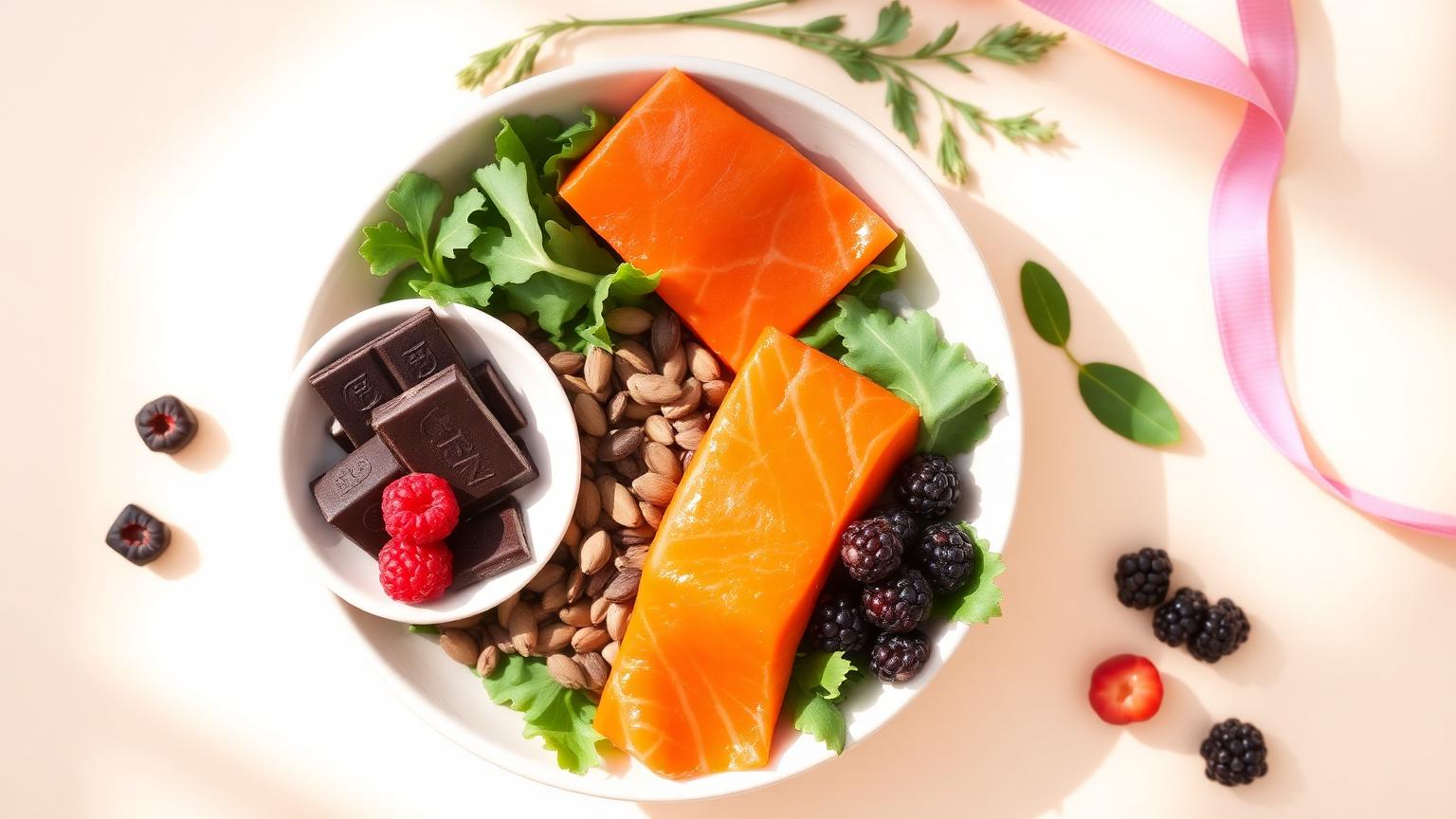
- Food: steady, not spiky. Build each meal around protein, fiber and complex carbs, such as eggs with whole-grain toast, lentil soup, or salmon with brown rice. That can soften blood sugar crashes. Add iron-rich foods such as lean red meat, beans, tofu and leafy greens. Pair them with vitamin C foods like peppers or citrus to help absorption.
- Movement: gentle beats heroic. Walking, yoga or light strength work may lift your energy without wiping you out. Medical News Today cites a small 2014 study of 30 young women with PMS in which regular aerobic exercise was linked to less fatigue compared with a control group.
- Hydration and fewer stimulants. Drink water consistently. Cut back on caffeine after midday and go easy on alcohol. Diets high in both are listed as possible PMS risk factors, and both can disturb sleep.
- Stress and mood support. Take short breaks, get morning daylight, and give yourself permission to say no to optional plans.
- Be realistic. Some women notice a difference within a cycle or two. Others need longer.
A Self-Care Routine for Period Fatigue, Phase by Phase
A good self-care routine during your period, and in the week before it, means planning ahead so energy dips stop catching you off guard.
| Phase | Energy focus | Food | Movement | Schedule |
|---|---|---|---|---|
| Late luteal (pre-period week) | Protect and conserve | Protein-forward snacks, complex carbs, magnesium-rich foods like nuts and seeds | Walks, yoga, light strength work | Lighter load, earlier bedtime |
| Menstrual | Rest and recover | Iron-supportive meals plus vitamin C, warm foods | Gentle stretching, easy walks | Fewer commitments, heat pad on standby |
| Follicular | Build | Varied, colorful meals | Ramp up training | Start projects, brainstorm |
| Ovulatory | Peak | Plenty of protein and produce | Hardest workouts | Big presentations, tough conversations |
Tips for busy working women
- Put your cycle in your calendar. Mark your predicted luteal week. Where you can, avoid stacking deadlines, travel and late events on top of it.
- Batch-cook during the follicular phase. Freeze soups, chili or grain bowls so you have easy, steady meals ready for your luteal week.
- Protect deep-work time. Put demanding tasks in the morning, when many people feel sharpest, and keep afternoons for admin.
- Use a cycle tracker. After two or three months you'll see your own energy pattern, which is more useful than any generic chart.
Period Fatigue Supplements: Iron, Magnesium, B Vitamins and More
Supplements can help fill gaps. They work best on top of the basics above, not as a replacement for them. Here's a careful look at the nutrients that come up most often in searches for period fatigue supplements and iron deficiency.
| Nutrient | Why it's discussed | What to know |
|---|---|---|
| Iron | Needed to make hemoglobin, which carries oxygen | Supplement only after testing or on medical advice |
| Magnesium | Often discussed for PMS support | Evidence is promising but limited |
| Vitamin B6 | Often paired with magnesium for PMS | Stick to sensible doses |
| B vitamins (B2, B6, B12, etc.) | Support normal energy-yielding metabolism | Most useful if your intake is low |
| Vitamin D | Low levels are common | Worth checking with a blood test |
Iron: test first
Don't guess with iron. The NIH Office of Dietary Supplements warns that iron can be harmful if you get too much. If heavy periods and fatigue go together for you, ask for a blood test before buying a bottle.
Magnesium and B6
Magnesium and vitamin B6 come up often in PMS conversations. One small trial compared magnesium, magnesium plus B6 and placebo, and found the combination had the greatest effect on PMS scores. Studies like this are small, so treat these nutrients as possible support rather than a guaranteed fix.
How to choose
- Look for transparent labels that list every ingredient and dose.
- Prefer hormone-free formulas made with vitamins, minerals and naturally derived ingredients.
- Avoid megadoses, and check for overlap if you already take a multivitamin.
- Talk to a healthcare provider first if you:
- take medication
- use hormonal birth control
- are pregnant or trying to conceive
- have a health condition
How Feme Fits Into a Cycle-Synced Energy Routine
If you'd like a phase-based supplement routine, Feme makes cycle-synced supplements that are hormone-free and made with vitamins, minerals and naturally derived ingredients. Here's how each one maps to the fatigue drivers above:
- Full Balance is a daily foundation formula designed to be taken across all four phases, covering the basics so you aren't starting from a gap.
- Mojo is an energy and desire formula for women who notice dips in energy or libido, which often happen in the luteal phase.
- PMS SOS offers targeted support for the days when PMS symptoms build up. Feme says PMS SOS has been through a consumer test. That isn't the same as a clinical trial.
- Sweet Balance is aimed at luteal-phase cravings, the sugar-then-crash loop that drags your energy down.
Some women notice a difference within a few cycles, and individual results vary. Supplements support sleep, food, movement and medical care; they don't replace them. If you're not sure where to start, Feme's hormone wellness quiz can help you work out which phase-based support fits your symptoms.
Supplement disclaimer: These statements have not been evaluated by the Food and Drug Administration. These products are not intended to diagnose, treat, cure or prevent any disease. Consult a healthcare provider before use if you are pregnant, nursing, take medication, use birth control or have a medical condition, and seek medical care for severe or persistent symptoms.
The Bottom Line: Why Am I So Tired Before My Period?
Feeling tired before your period has real causes: falling hormones, a warmer body that sleeps more lightly, blood sugar swings, mood changes and, for some women, low iron. Once you know which ones apply to you, you can address them.
- Track your symptoms for a few cycles.
- Adjust your sleep, meals and schedule by phase.
- Get your iron tested if your periods are heavy.
- Choose hormone-free support carefully.
- Get professional help for severe symptoms.
You don't have to accept feeling wiped out every month.
FAQ
Is it normal to feel extremely tired a week before your period?
Fatigue is a common PMS symptom, and it often peaks in the days before bleeding as estrogen and progesterone fall. Common doesn't mean you have to put up with it, though. Talk to a healthcare provider if the tiredness is extreme, disrupts work or relationships, or comes with severe mood changes. They can check for PMDD, low iron or other possible causes.
Can low iron make you tired before your period starts?
It can. Iron is lost during bleeding, so with heavy periods your stores can drop over months. That can leave you tired all the time, which then feels worse alongside PMS. Dizziness, breathlessness and pale skin are clues. A blood test is the only reliable way to know, so ask for one before taking iron supplements.
Why do I feel sleepy but can't sleep well before my period?
Progesterone may have a calming, sedative-like effect, so you can feel drowsy during the day. At the same time, your core temperature rises after ovulation. Your body needs to cool down to sleep deeply, so nights can be lighter and more broken. Cramps, anxiety and night sweats make it worse. A cool bedroom, a consistent bedtime and less late-day caffeine may help.
Does period fatigue get worse with age or in perimenopause?
It can. Cleveland Clinic notes that some people find their PMS symptoms get worse in perimenopause, as hormone levels swing more unpredictably. Fatigue and sleep problems are also commonly reported during perimenopause. Heavier periods at this stage can lower iron too. If your energy changes noticeably in your late 30s or 40s, check in with a provider.
What should I eat to boost my energy during the luteal phase?
Aim for steady meals that combine protein, fiber and complex carbs, such as eggs with whole-grain toast, lentils, oats with nuts, or salmon with brown rice. These may soften blood sugar crashes. Include magnesium-rich foods like seeds, nuts and leafy greens, and pair iron-rich foods with vitamin C. Stay hydrated and cut back on late-day caffeine and alcohol.
When should I see a doctor about fatigue before my period?
See a doctor if your fatigue:
- lasts all month
- doesn't improve after your period starts
- comes with heavy bleeding, dizziness, breathlessness or a racing heart
Severe mood changes, hopelessness or thoughts of self-harm need prompt help. Bring two or three months of symptom tracking so your provider can spot patterns and order the right tests.