Cycle Syncing 101: How to Support Every Phase of Your Cycle
Ever feel like you're four slightly different people across one month? Monday-you could run a marathon and reorganize your entire life. Two weeks later, that same you wants to cry at a yogurt commercial and eat everything beige in the kitchen. You're not "too much." You're not "being dramatic." You're cycling — and your hormones have been quietly running the show the whole time.
That shifting, shape-shifting feeling has a name now, and it's all over your feed: cycle syncing. It's the idea that instead of fighting your body's changing rhythm, you work with it — adjusting how you eat, move, rest, and support yourself depending on where you are in your cycle. Think of it as reading the room, except the room is your own hormones.
This is your friendly, no-nonsense intro to the whole thing. We'll break down the four phases, what's actually happening in there, how you might feel, and how to support each one — food, movement, rest, and where a little extra backup fits in. No shame, no "just push through," no wellness-influencer riddles. Let's go.
So, what is cycle syncing?
Cycle syncing means matching your habits — meals, workouts, rest, and self-care — to the four phases of your menstrual cycle. Your hormones (mainly estrogen and progesterone) rise and fall across roughly a month, and those shifts influence your energy, mood, appetite, focus, and even how social you feel. Cycle syncing is basically the radical act of noticing that and planning around it instead of being blindsided every single month.
Here's the reframe that changes everything: your cycle isn't a monthly inconvenience to survive. It's information. When you know a low-energy stretch is coming, you can stop scheduling three back-to-back plans and calling yourself lazy when you cancel. When you know your fire-cracker energy peaks around ovulation, you can put the big presentation there on purpose. That's not woo. That's logistics.
To be clear about what cycle syncing is not: it's not a rigid rulebook, it's not a medical treatment, and it's definitely not a promise that you'll feel amazing every day if you eat the "right" foods. Bodies are gloriously individual. Cycle syncing is a flexible framework — a way to start with the need, not the phase. Some days the need is more energy. Some days it's fewer cravings. Some days it's just to get through your cramps without renegotiating your entire personality.
Why bother? A quick reality check
Cramps, bloating, cravings, low energy, mood swings, cycle breakouts, that random Tuesday where everything is Too Loud — these things are common. But common does not mean acceptable, and it definitely doesn't mean you have to organize your life around them. Cycle syncing helps because it swaps "why do I feel like this AGAIN" for "ah, right, this tracks — here's what usually helps me." Many women find that even just knowing what phase they're in takes the panic out of the hard days.
One heads-up before we dive in: everyone's cycle is different, and that's not a flaw in the system. Phase lengths vary, symptoms vary, and life (stress, travel, sleep, everything) moves the goalposts. Treat the timelines below as a loose map, not GPS. Curious where you are and what fits you specifically? Take the 3-minute quiz and we'll point you in the right direction.
The four phases, decoded
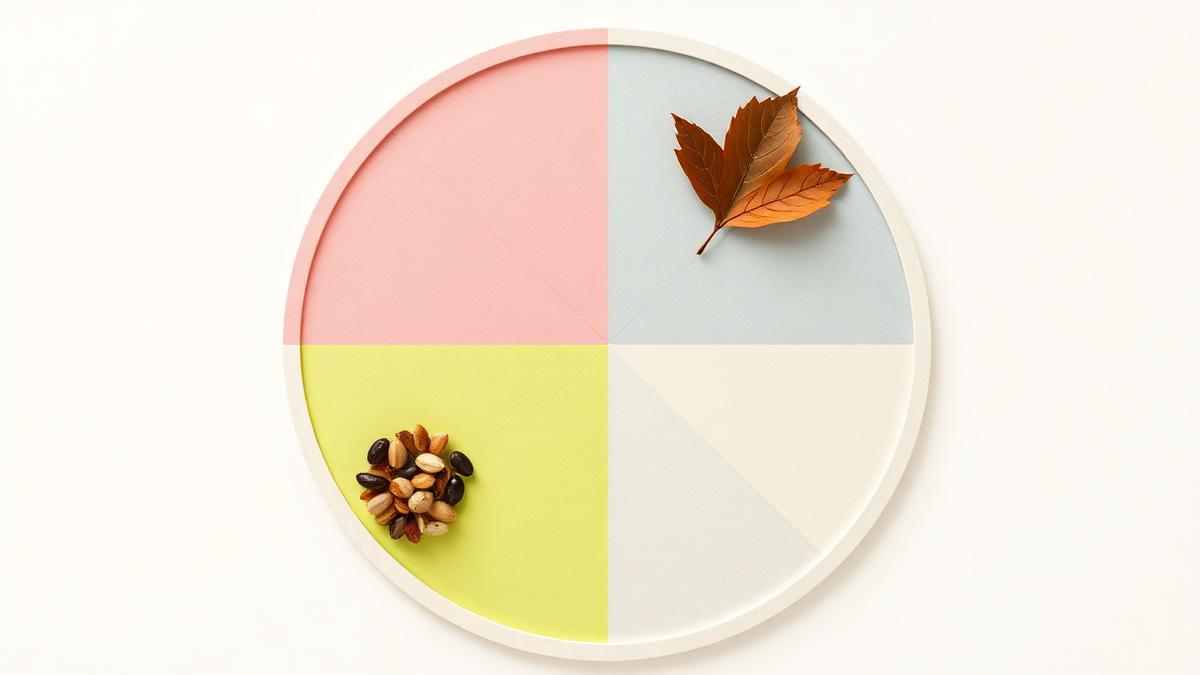
A typical cycle runs about 28 days, but anywhere from 21 to 35 is completely normal. It splits into four phases: menstrual, follicular, ovulatory, and luteal. Here's what's going on in each — and how to actually support yourself through it.
1. Menstrual phase (roughly days 1–5): the reset
What's happening: This is your period. Estrogen and progesterone are at their lowest, your uterine lining sheds, and your body is doing real, physical work. Day 1 of bleeding is officially day 1 of your whole cycle — the start line, not the finish.
How you might feel: Tired. Introverted. Crampy. A little "leave me alone but also bring me snacks." Energy is often at its lowest here, and that's not you being weak — that's biology asking for a softer schedule. Many women find they crave warmth, quiet, and a solid excuse to cancel plans.
How to support it:
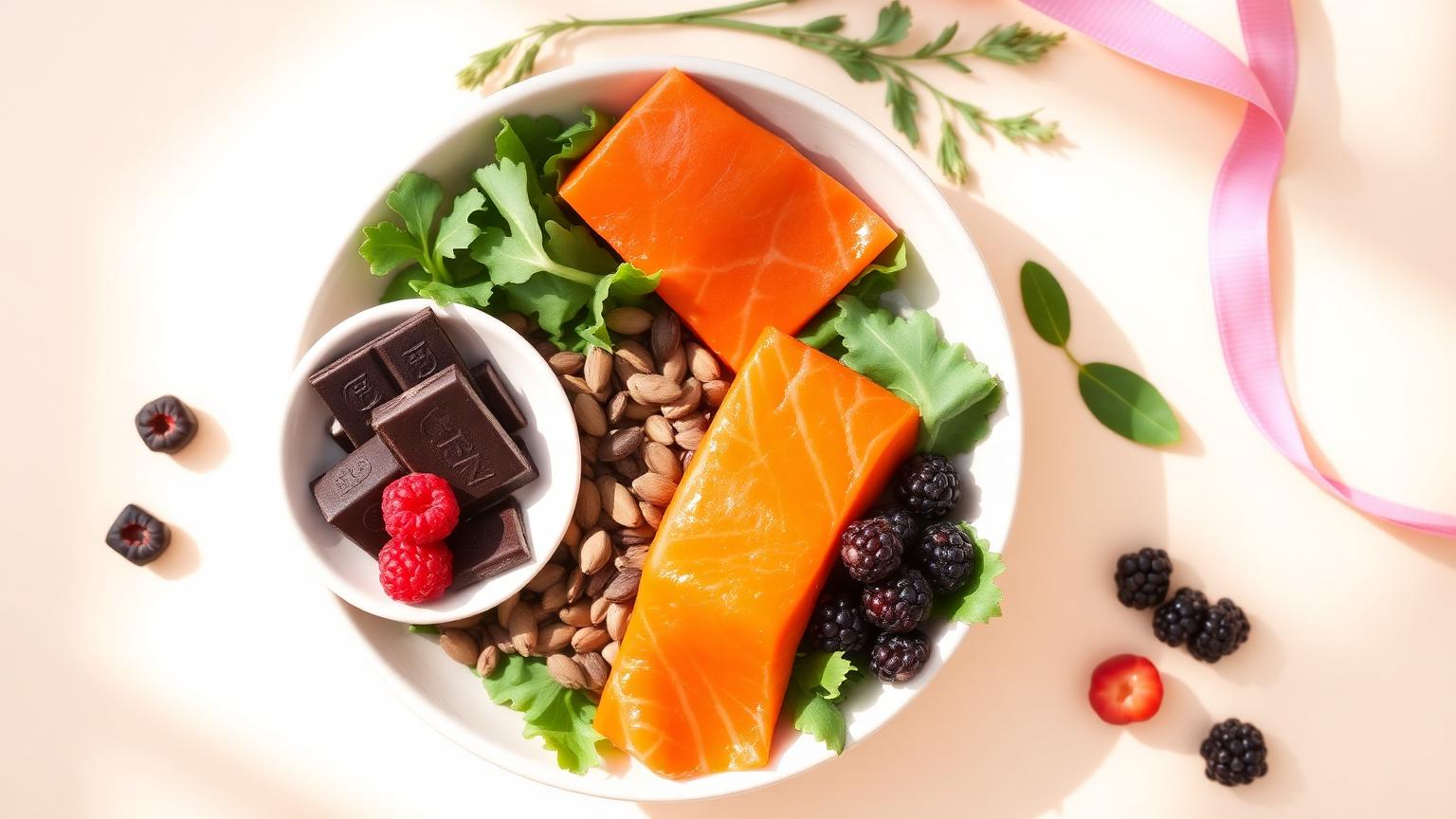
- Food: Lean into iron-rich and warming foods — think leafy greens, lentils, red meat if you eat it, soups, stews, anything that feels like a hug. You're literally losing blood; replenishing makes sense.
- Movement: Gentle is the vibe. Walking, restorative yoga, stretching, or a full rest day. This is not the week to PR your deadlift (unless you genuinely want to — you know your body).
- Rest: Prioritize sleep and downtime without guilt. Consider this your body's built-in permission slip to slow down.
- Extra support: When cramps, bloating, and that wrung-out fatigue catch you off guard, PMS SOS is the as-needed, on-the-go reset designed for exactly these days — cramps, bloating, fatigue, and the emotional ups and downs. It's the one you keep in your bag for when your period decides to make an entrance mid-workday.
2. Follicular phase (roughly days 6–14): the comeback
What's happening: Your period wraps and estrogen starts climbing as your body preps an egg for release. Rising estrogen tends to bring rising energy, sharper focus, and a better mood. Your body is quite literally in build-and-grow mode.
How you might feel: Like yourself again — but the upgraded version. Motivated, creative, up for things. Many women find this is when their brain feels clearest and their social battery finally recharges. New idea? Big project? This is often where the spark shows up.
How to support it:
- Food: Fresh, light, and vibrant — think lots of veggies, lean proteins, and fermented foods. Your body handles this energetic phase well, so give it good fuel to run on.
- Movement: Ride the wave. This is a great window for higher-intensity workouts, trying a new class, or challenging yourself. Your energy can usually take it.
- Rest: You may need a little less, but don't skip it — good sleep now sets up the whole month.
- Extra support: This is a beautiful time to lock in your daily foundation. Full Balance is designed for consistent, everyday support — overall balance, mood, and energy, all cycle long. It's not a phase fix; it's the steady baseline that makes every phase a little more manageable. And if you want more get-up-and-go and vitality to match the mood, Mojo is designed for energy, desire, and that more-you feeling.
3. Ovulatory phase (roughly days 15–17): the main character era
What's happening: Estrogen peaks and your body releases an egg. Testosterone gets a brief moment too. This is the shortest phase but often the most high-voltage — hormonally, you're at your peak.
How you might feel: Confident, magnetic, chatty, and glowing (that "ovulation glow" isn't entirely a myth — higher estrogen is doing some of that). Many women find energy, libido, and social confidence hit their high here. If there was ever a week to shoot your shot — professionally or personally — statistically, this is it.
How to support it:
- Food: Keep it colorful and anti-inflammatory — fiber-rich veggies, fruits, and light proteins. Your metabolism is humming; support it with whole, fresh foods.
- Movement: Go big if you want to. Group workouts, high-energy classes, or anything social plays perfectly into your peak-energy, peak-confidence moment.
- Rest: You may feel unstoppable, but banking rest now helps soften the transition into the luteal phase ahead. Future-you says thanks.
- Extra support: If you want to lean all the way into the energy and desire this phase is known for, Mojo is designed to support vitality and libido — more energy, more desire, more you. Consider it the amplifier for a week you already feel good in.
4. Luteal phase (roughly days 18–28): the wind-down (and the cravings)
What's happening: After ovulation, progesterone rises and estrogen dips and rises again before both drop off if pregnancy doesn't occur. This is the longest phase, and it's where the classic PMS crew tends to show up in the final stretch — the pre-period days.
How you might feel: The first half can feel calm and cozy. The back half? That's where mood shifts, irritability, bloating, low energy, and cravings (hello, entire chocolate bar) love to appear. Many women find their patience gets shorter and their snack game gets stronger. Totally normal. Still not something you have to just "deal with."
How to support it:
- Food: Complex carbs and magnesium-rich foods are your friends — sweet potatoes, whole grains, dark leafy greens, dark chocolate (yes, really). Steady blood sugar helps steady the mood.
- Movement: Ease off the intensity as your period approaches. Pilates, strength at a gentler pace, walking, and yoga tend to feel better than all-out cardio.
- Rest: Protect your sleep and your calendar. This is the phase to under-schedule on purpose and build in real recovery.
- Extra support: Cravings are the luteal phase's signature move, and willpower shouldn't have to fight alone. Sweet Balance is designed to support cravings and steadier energy — so you feel more in control, not deprived. And as the pre-period symptoms build, PMS SOS is your on-demand reset for cramps, bloating, fatigue, and the emotional roller coaster. Between the two, the hardest stretch of the month gets a whole lot more manageable.
How to actually start cycle syncing (without overthinking it)
Here's the good news: you do not need a color-coded spreadsheet, a moon calendar, and a wardrobe organized by hormone. Starting is genuinely simple.
- Step one: know where you are. Track the first day of your period (that's day 1) and roughly count forward. A period-tracking app makes this stupidly easy. Even a note in your phone works.
- Step two: notice your patterns. For a month or two, jot down how you feel — energy, mood, cravings, sleep. You'll start seeing your own rhythm, which matters way more than any generic timeline.
- Step three: adjust one thing at a time. Don't overhaul your entire life. Maybe you just move your hardest workouts to your follicular and ovulatory phases, or you go easier on yourself during your period. Small shifts, big difference.
- Step four: build in support that fits your needs. This is where Feme comes in — hormone-free, and designed around what you actually need, not a rigid four-formula prescription.
Not sure which product fits your phase, your symptoms, or your particular flavor of "ugh"? That's literally what our quiz is for. Take the 3-minute quiz and get a personalized recommendation based on how you feel — because your cycle is yours, and your support should be too.
A quick note on the products, so nothing gets blurry
Feme isn't about taking four things at four times because a chart told you to. It's a flexible toolkit — you choose the support that fits what's getting in your way:
- Full Balance — your daily foundation for everyday balance, mood, and energy, all cycle long.
- PMS SOS — the as-needed reset for the days that catch you off guard: cramps, bloating, fatigue, and emotional ups and downs.
- Sweet Balance — the willpower layer, designed to support cravings and steadier energy so you feel in control, not deprived.
- Mojo — the daily upgrade, designed for energy, desire, and vitality.
Remember: everyone's cycle is different
This whole guide is a map, not a mandate. Your cycle might be shorter, longer, wildly regular, or delightfully unpredictable. Your "peak energy" phase might not read from the textbook. Stress, travel, sleep, life stage, and a hundred other things shift the picture — and none of that means you're doing it wrong.
The point of cycle syncing isn't perfection. It's paying attention. It's trading "why is my body like this" for "oh, this makes sense, and here's what helps me." You get to feel good before, during, and after your period. Less "just deal with it." That's the whole idea.
FAQ
Do I need to have a "perfect" 28-day cycle for this to work?
Not even a little. The 28-day cycle is an average, and cycles anywhere from about 21 to 35 days are considered normal. Cycle syncing is about noticing your patterns, not forcing yourself into a textbook timeline. Track your own phases for a month or two and adjust from there — your body's rhythm is the only one that matters here.
Can I still cycle sync if I'm on hormonal birth control?
Hormonal birth control changes your natural hormone fluctuations, so the classic four-phase pattern may not apply the same way. Many people on birth control still tune into their energy, mood, and needs day to day and support themselves accordingly. If you have questions about your specific situation, it's always worth chatting with your healthcare provider — they know your full picture.
Which Feme product should I start with?
It depends on what's getting in your way. If you want a steady daily baseline, Full Balance is the foundation. If cramps and bloating are the main event, reach for PMS SOS. Cravings running the show? Sweet Balance. Want more energy and desire? Mojo. The fastest way to find your fit is to take the 3-minute quiz.
How long until I notice a difference?
Everyone's different, and supplements aren't magic switches. Daily formulas like Full Balance are designed for consistent support over time, so many women find giving it a full cycle or two paints the clearest picture. As-needed support like PMS SOS is built for those specific catch-you-off-guard moments. Be patient with yourself and pay attention to how you feel along the way.
Ready to work with your body, not against it?
Cycle syncing starts with one small step: figuring out what you actually need. Take the 3-minute quiz and get a personalized Feme recommendation built around how you feel — phase by phase, day by day. Feel good before, during, and after your period. Period.
These statements have not been evaluated by a regulatory authority. Feme products are supplements, not medicine, and are not intended to diagnose, treat, cure, or prevent any disease.