Libido Changes During Menstrual Cycle Phases: A Full Guide
One week you feel magnetic and up for anything. Ten days later, the sofa and a snack look better than sex. If you've noticed this, you're not imagining it. Libido changes during menstrual cycle phases are common and widely studied. They come from a mix of hormones, energy, mood and everyday life.
The usual line is that desire peaks at ovulation. That's partly true, but it leaves out most of your month. This guide covers energy and desire in all four phases and explains what may drive each shift. It also offers practical ways to work with your libido and explains when a dip is worth raising with a doctor.
Key Takeaways: Libido Changes During Menstrual Cycle Phases
- There's a rough pattern. For many women, desire rises toward ovulation and drops in the luteal phase and around the period. Plenty of women don't follow it exactly.
- Hormones are part of the story. Estrogen tends to lift desire, and progesterone tends to lower it. The evidence on testosterone is more mixed than you might expect.
- Life counts too. Stress, sleep, PMS symptoms, birth control and your relationship can matter as much as hormones.
- Tracking helps. Two or three months of notes can show your personal pattern, so you can plan around it instead of putting up with it.
- Get checked if it persists. Low desire that lasts for months and bothers you is worth a conversation with a healthcare provider.
The Short Answer: Why Your Sex Drive Shifts Across the Month
Your cycle is a monthly rise and fall of estrogen, progesterone and testosterone, and these hormones can affect how you feel day to day. As Medical News Today reports, research suggests people tend to initiate sex more and show more interest in it just before ovulation. The luteal phase has been linked to higher levels of anxiety, tension and low mood, which may also affect libido.
Hormones aren't the only factor. A bad night's sleep, a work deadline, cramps or an unresolved argument with your partner can easily outweigh hormonal effects. Hormonal birth control can also flatten or change the natural pattern, because it alters the hormone swings behind it.
In short, your libido isn't random, and it isn't a personal failing. Once you know your own pattern, you can plan date nights, workouts and rest days around it.
The Hormones Behind Desire: A Plain-Language Primer
Estrogen: the energizer
Estrogen supports arousal, vaginal lubrication, mood and energy. It rises through the follicular phase and peaks shortly before ovulation. Medical News Today notes that this midcycle estrogen peak happens about 24 hours before ovulation. A daily-diary study that tracked hormones across natural cycles found higher odds of sexual behavior on days when estradiol was higher.
Testosterone: smaller role than its reputation
Women make testosterone in small amounts, and it rises a little around ovulation. It's often called the "desire hormone," but the research is mixed. Across two daily-tracking studies, researchers found no significant associations between testosterone and any sexual variable. A review of hormone therapies found that testosterone boosted desire at supraphysiological (higher-than-natural) levels but not at physiological ones. That suggests normal monthly testosterone changes may matter less than people assume.
Progesterone: the chill-out hormone
After ovulation, progesterone rises. It has a calming, mildly sedating effect, which may be why the second half of your cycle can feel slower and sleepier. Researchers at UC Santa Barbara concluded that progesterone appears to mediate the drop in desire from the fertile window to the luteal phase.
The LH surge and the fertile window
Mid-cycle, a surge of luteinizing hormone (LH) triggers ovulation. One evolutionary explanation is that desire peaks when pregnancy is most likely. In that view, your body nudges you toward sex during the fertile window whether or not you want a baby.
A caveat: the research here is mixed, and individual differences are large. Some women feel strong peaks and troughs. Others barely notice any change. Both are normal.
Libido Changes During Menstrual Cycle Phases at a Glance
These are typical patterns, not rules:
| Phase (28-day cycle) | Hormones | Energy | Typical desire |
|---|---|---|---|
| Menstrual (days 1–5) | All low | Lower, crampy | Low or surprisingly high |
| Follicular (days 6–13) | Estrogen rising | Building | Climbing |
| Ovulatory (days 14–16) | Estrogen, LH peak | High, social | Often highest |
| Luteal (days 17–28) | Progesterone dominant | Dropping late | Often lower |
These day ranges assume a textbook 28-day cycle, which many women don't have. An analysis of more than 600,000 app-tracked cycles found that most people did not ovulate on day 14, and the average luteal phase lasted 12.4 days. If your cycle is longer or shorter, your phases shift with it.
Menstrual Phase: Low Energy, Mixed Signals
Why desire often drops
When your period starts, estrogen and progesterone are both low. Add cramps, bloating and fatigue, plus possible iron loss if your periods are heavy. It's no wonder sex can feel like the last thing you want.
Why some women feel more desire on their period
Feeling hornier on your period is also common. Possible reasons include:
- Blood flow. Some experts point to more blood flow to the pelvic and genital area, which may heighten sensitivity.
- Less progesterone. The hormone that tends to lower desire has dropped.
- Relief. Your PMS is finally over, and for some women the lower chance of pregnancy feels freeing. The chance is lower, not zero.
- Rising estrogen. Estrogen starts climbing again a few days into your period.
Period sex basics
If you're in the mood, period sex is fine. Some tips:
- Put down a dark towel, or try the shower.
- Use condoms. STI risk doesn't stop during your period, and pregnancy is still possible.
- Choose positions that don't put pressure on a sore abdomen.
- Orgasm may help. Orgasms can trigger endorphins, the body's natural painkillers, and some women find they ease cramps. Solo sex counts too.
Permission to rest
If you're exhausted and crampy, resting is a reasonable choice, and nothing to feel guilty about. Intimacy doesn't have to mean sex. Cuddling, a massage or a bath together can all keep you connected. So can simply saying "I want to be close but I'm wiped out."
One note: severe period pain isn't something you just have to live with. Rescripted points out that severe or unusual pain could signal conditions like endometriosis or fibroids, so it's worth getting checked.
Follicular and Ovulatory Phases: The Natural Upswing
Rising estrogen and rising energy
Once your period ends, estrogen climbs steadily. Many women report better mood, more motivation, sharper focus and more interest in socializing. Workouts may feel easier, and some women find this the most productive stretch of their month.
Sex drive around ovulation
This is when sex drive tends to be highest, and studies often find a mid-cycle rise in desire. In the diary data mentioned above, desire rose as estradiol increased and fell as progesterone increased. Many women also report feeling more attractive, confident and flirtatious around ovulation. Some studies suggest what you find attractive can shift slightly too, though that research is debated.
Fertility reality check
The peak in desire lines up with your most fertile days. If you're not trying to get pregnant, this is the time to be most careful with contraception. Period-tracking apps that predict ovulation from averages are not reliable birth control on their own.
How to use the upswing
- Plan date nights and try something new while you're feeling adventurous.
- Do your hardest workouts. Energy and recovery are often best now.
- Schedule the bigger conversations, social plans and ambitious projects.
- Enjoy feeling good in your body without overthinking it.
Luteal Phase: Why Libido Often Dips Before Your Period
Low libido before your period is one of the most common patterns women report. Several things stack up during this phase.
Progesterone, then the drop
After ovulation, progesterone rises, and for many women desire becomes quieter. In the last few days before your period, estrogen and progesterone both fall. That drop is when PMS symptoms often show up.
PMS symptoms dampen desire
It's hard to feel sexy when your breasts are sore, your jeans are tight from bloating, and everything irritates you. Mood changes like anxiety, tearfulness and irritability can make you want space instead of closeness.
Cravings, sleep and fatigue
Many women notice stronger cravings, especially for sweets, in the luteal phase. Leaning heavily on sugary snacks can leave you feeling more tired and moody. Sleep can also get worse before a period. Fatigue is one of the most common libido killers, whatever your hormones are doing.
Body image dips
Bloating and puffiness can change how you feel about your body for a few days. It's temporary, so go easy on yourself this week.
When it's more than PMS
For some women, premenstrual symptoms are severe enough to interfere with work, relationships and daily life. This may be premenstrual dysphoric disorder (PMDD). Estimates vary, but PMDD is commonly thought to affect roughly 3% to 8% of women of reproductive age, with some studies reporting higher figures. If you have intense depression, anxiety, rage or hopelessness before your period, please see a healthcare provider. PMDD is real, and it's treatable.
Beyond Hormones: Other Factors That Shape Your Sex Drive
Hormones explain part of your libido, but not all of it. These factors can shift desire at any point in your cycle:
| Factor | How it may affect desire |
|---|---|
| Chronic stress, burnout | Drains energy and focus |
| Poor sleep | Lowers energy and mood |
| Alcohol | Can blunt arousal |
| Regular exercise | Often boosts mood, body image |
| Mental load | Leaves little room for desire |
| Factor | How it may affect desire |
|---|---|
| Hormonal birth control | Varies by person |
| SSRI antidepressants | May lower sex drive |
| Relationship conflict | Often reduces desire |
| Postpartum, breastfeeding | Low estrogen, exhaustion |
| Perimenopause | Shifting hormones, dryness |
A few of these deserve more detail.
Stress and burnout. If you're juggling work and most of the household planning, desire may have no room to show up. Chronic stress keeps your body in alert mode, which works against relaxing and feeling aroused.
Hormonal birth control. The effect varies a lot from person to person. Research summarized by Clue suggests that most pill users report no change in libido, a smaller share report an increase and a minority report a decrease. If you notice a change after starting a method, ask your provider about alternatives.
Medications. SSRI antidepressants, such as paroxetine and fluoxetine, can lower sex drive. Never stop or change a prescription on your own. Talk to your prescriber about options.
Life stages. After childbirth and during breastfeeding, estrogen stays low while exhaustion runs high. In perimenopause, cycles become less predictable and vaginal dryness can make sex less comfortable.
Natural Libido Support for Women: Phase-Smart Habits
Step 1: Find your pattern
For two or three cycles, take 30 seconds a day to rate or note:
- Energy (1–5)
- Desire (1–5)
- Mood
- Sleep quality
- Symptoms like cramps, bloating and cravings
- Stress and big life events
Mark your period start dates, and ovulation signs if you track them. After a few months, you'll likely see your own version of the pattern, which may look different from the textbook one.
Step 2: Eat for steady energy
- Keep blood sugar steady. Pair carbs with protein, fat and fiber, especially in the luteal phase when cravings hit.
- Iron during your period. Eat iron-rich foods like lentils, leafy greens and red meat if you eat it. Add vitamin C, which helps your body absorb plant-based iron.
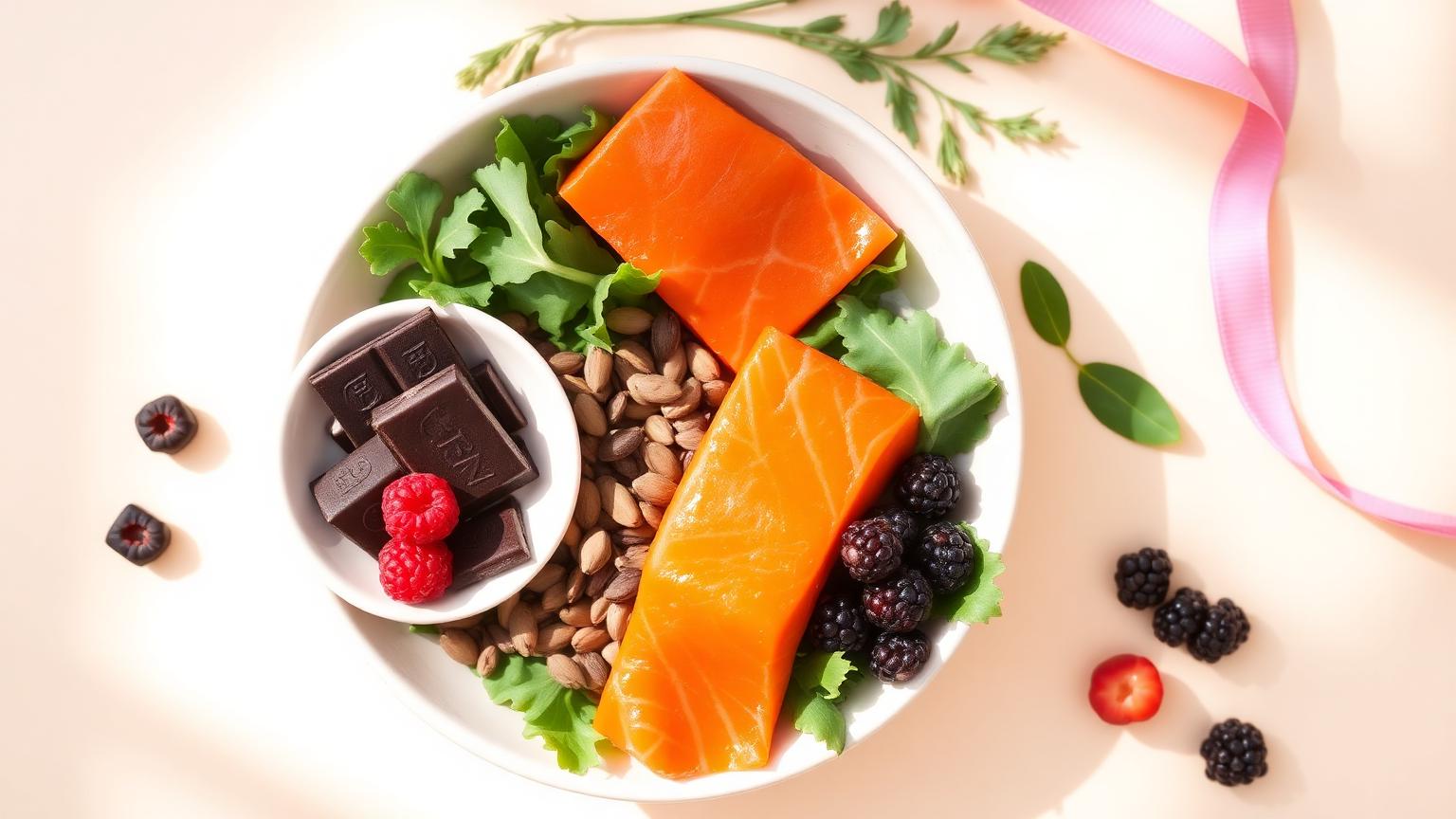
- Magnesium and B vitamins in the luteal phase. Find them in nuts, seeds, whole grains, leafy greens and dark chocolate. One small trial in women with PMS found that magnesium plus vitamin B6 had the greatest effect on PMS scores of the groups tested. The study measured PMS symptoms, not libido, but easing PMS may make the luteal phase more comfortable.
Step 3: Adjust movement and sleep by phase
- Menstrual: walking, stretching, gentle yoga, extra sleep.
- Follicular and ovulatory: strength training, HIIT, dance classes, anything that feels energizing.
- Luteal: moderate cardio, Pilates, an earlier bedtime and a wind-down routine.
Step 4: Talk about your cycle
Telling your partner "I'm in my luteal phase and my energy is low" isn't oversharing. It gives them context, so they don't take it personally. Some couples plan intimacy around high-energy windows. It may sound unromantic, but it often takes the pressure off.
Step 5: Consider where supplements may fit
Supplements aren't a magic switch, but some women like extra daily support alongside these habits. Feme makes hormone-free, cycle-synced formulas with vitamins, minerals and naturally derived ingredients:
- Mojo is designed for energy and desire.
- Full Balance is a daily foundation formula for every phase.
- PMS SOS is targeted support for the luteal phase, when PMS symptoms peak.
Some women say they feel more like themselves when they combine products like these with good sleep, nutrition and stress care. Individual results vary.
Disclaimer: These statements have not been evaluated by the Food and Drug Administration. Feme products are dietary supplements and are not intended to diagnose, treat, cure or prevent any disease. If you take prescription medication, use hormonal birth control, are pregnant or breastfeeding, or have a health condition, check with your healthcare provider before starting any supplement.
When Low Libido Is Worth Talking to a Doctor About
Ups and downs over the month are normal. Low desire that sticks around and upsets you is a different situation. Clinicians use the term hypoactive sexual desire disorder (HSDD) for low desire lasting at least 6 months with accompanying distress. Estimates vary, but studies suggest it affects around 1 in 10 women. It's common, and it's worth getting help for.
Book an appointment if you notice:
- Low desire that persists across your whole cycle and bothers you or your relationship
- Pain during sex
- Irregular, missed or very heavy periods
- Severe PMS or possible PMDD symptoms
- Low mood, hopelessness or anxiety that won't lift
- Libido changes after starting a new medication or birth control
Possible causes worth checking
- Thyroid problems. Blood tests can check hormone levels and look for thyroid problems.
- Anemia or low iron. This is especially worth checking if your periods are heavy.
- Depression or anxiety.
- Medication side effects, including some antidepressants and hormonal contraceptives.
How to prepare
Bring your cycle and symptom notes. Two or three months of data on energy, desire, mood and symptoms gives your provider far more to work with than "I just don't feel like it anymore." List your medications and supplements, and write down your questions beforehand.
Changes in your desire aren't something you have to quietly accept. With the right support, you can work toward a sex life that feels good to you.
FAQ
Is it normal to have a low libido before your period?
Yes, it's very common. In the luteal phase, progesterone has a calming effect, and then both estrogen and progesterone drop just before your period. Bloating, breast tenderness, poor sleep and low mood can lower desire further. If your libido stays low all month or the drop comes with severe mood symptoms, talk to a healthcare provider.
When in your cycle is sex drive highest?
For many women, sex drive peaks around ovulation, roughly mid-cycle, when estrogen is highest. Research suggests people tend to initiate sex more just before ovulation. Your exact timing depends on when you ovulate, and many women don't ovulate on day 14. Tracking your cycle for a few months is the best way to find your own peak.
Why do I feel hornier on my period?
Several things may play a part. More blood flow to the pelvic area may heighten sensitivity. Progesterone, which tends to lower desire, has dropped, and estrogen starts rising again a few days in. Some women also feel relief once PMS is over, and the lower chance of pregnancy can feel freeing. The chance isn't zero, so keep using contraception if you need it.
Does hormonal birth control affect libido changes during the cycle?
It can. Hormonal contraceptives change your natural hormone swings, so the usual pattern of peaking at ovulation and dipping in the luteal phase may flatten out. Effects vary a lot. In reviews, most pill users notice no change in libido, some see an increase and a smaller group sees a decrease. If your desire has dropped, ask your provider about other options.
Can supplements help with low libido in women?
Some women find that supplements with vitamins, minerals and naturally derived ingredients support their energy and overall wellbeing, which may help desire. Results vary from person to person. Supplements can't fix underlying causes like thyroid problems, depression or medication side effects. Check with your healthcare provider first, especially if you take medication or hormonal birth control.
How do I track my sex drive across my menstrual cycle?
Use a period app, a notes app or a paper journal. Each day, rate your energy and desire from 1 to 5, and note your mood, sleep, symptoms and stress. Mark the day your period starts. After two or three cycles, compare the ratings with your cycle days to spot patterns and plan around your high- and low-energy windows.