Infradian Rhythm vs Circadian Rhythm in Women: What to Know
Your body keeps time in more than one way. When you compare infradian rhythm vs circadian rhythm in women, you find two clocks running at once. One resets every 24 hours and controls sleep, alertness and daily hormones. The other plays out over roughly a month and shapes energy, mood, appetite and desire across your menstrual cycle. Most health advice, work schedules and even medical research were built around the 24-hour clock alone. This guide compares the two, explains how they affect each other, and turns the science into a phase-based routine you can actually stick to. It also makes the case that cycle discomfort deserves attention, not a shrug.
Key takeaways
- Circadian rhythm is your roughly 24-hour clock. Everyone has one.
- Infradian rhythm means any biological cycle longer than 24 hours. In women, the menstrual cycle is the main example.
- A "normal" cycle isn't always 28 days. Current guidance from ACOG generally places normal adult cycles at about 24 to 38 days.
- The two clocks affect each other. Night-shift work is linked to irregular cycles, and the luteal phase can disrupt sleep.
- Tracking your cycle gives you useful health data and helps you plan your life with less guesswork.
Infradian vs Circadian Rhythm in Women: The Short Answer
Your circadian rhythm is the internal clock that runs on a cycle of about 24 hours. It controls when you feel sleepy or alert, and it sets the timing of hormones like cortisol and melatonin.
An infradian rhythm is any biological cycle longer than a day. For women, the best-known one is the menstrual cycle. The textbook version is 28 days, but healthy cycles vary widely from person to person.
This is also where women's and men's hormone patterns differ most. Women run both clocks at the same time. Men's main sex hormone, testosterone, follows a pattern that repeats every day and is highest in the early morning.
Why it matters: if you only plan around the 24-hour clock, you miss half the picture. Your energy, mood, appetite and recovery can shift across the month, not just between morning and night.
| Feature | Circadian rhythm | Infradian rhythm |
|---|---|---|
| Length | About 24 hours | Longer than 24 hours |
| Main example | Sleep-wake cycle | Menstrual cycle |
| Key hormones | Cortisol, melatonin | Estrogen, progesterone, LH, FSH |
| Who has it | Everyone | Everyone (seasonal cycles); monthly cycle in menstruating people |
Circadian Rhythm Explained: Your 24-Hour Body Clock
The master clock in your brain
Your daily rhythm is run by the suprachiasmatic nucleus (SCN), a small cluster of neurons located above the optic chiasm that gets direct input from your retina. That's why light is the strongest signal for setting your clock. Morning daylight tells your brain the day has started. Darkness in the evening tells it to wind down.
The SCN doesn't work alone. Researchers describe the human circadian system as regulating alertness, sleep-wake behavior, metabolism, mood and cognitive function across the 24-hour day.
Daily hormone curves
Two hormones show the 24-hour clock most clearly:
- Cortisol rises sharply after you wake up. That morning surge helps you feel alert and get moving.
- Melatonin rises in the evening as light fades and signals that it's time to sleep.
What throws it off
Shift work, late-night scrolling under bright screens, jet lag and irregular meal times can all push your clock out of sync. You might notice it as poor sleep, afternoon crashes or a disrupted appetite.
The first link between the two clocks
Circadian disruption doesn't stay in the 24-hour lane. An 8-year cohort study found that female night-shift workers had higher odds of irregular menstrual cycles than the reference group. Research presented at ENDO 2025 also reported that women who work night shifts may have an increased risk for irregular periods and hormonal imbalances. These studies show associations rather than proof of cause, but they suggest your daily and monthly clocks are connected.
Infradian Rhythm Explained: The Cycle Beyond 24 Hours
What counts as infradian
"Infradian" covers any rhythm longer than a day. Seasonal patterns, such as shifts in mood or sleep as daylight changes through the year, are one example. For women, though, the menstrual cycle is the infradian rhythm that matters most day to day.
The hormone conversation behind your cycle
Your cycle is run by the hypothalamic-pituitary-ovarian (HPO) axis, a feedback loop between your brain and ovaries:
- The hypothalamus signals the pituitary gland.
- The pituitary releases FSH (follicle-stimulating hormone), which helps follicles in the ovary mature.
- Maturing follicles produce estrogen, which climbs through the first half of the cycle.
- A surge of LH (luteinizing hormone) triggers ovulation.
- After ovulation, the leftover follicle releases progesterone, which dominates the second half.
- If pregnancy doesn't happen, estrogen and progesterone drop and your period begins.
The four phases
| Phase | Typical days* | Hormone picture | What's happening |
|---|---|---|---|
| Menstrual | Days 1–5 | Estrogen, progesterone low | Uterine lining sheds |
| Follicular | Days 1–13 | Estrogen rising | Follicles mature |
| Ovulatory | Around day 14 | LH surge, estrogen peaks | Egg is released |
| Luteal | Days 15–28 | Progesterone high, then drops | Body prepares, then resets |
*Based on a 28-day cycle. The follicular phase starts on day 1, so it overlaps with your period. Your timing may differ.
Why 28 days is an average, not a rule
The Apple Women's Health Study analyzed real-world cycle data from a large US cohort. It found that average cycle length sits close to 28 days, but with wide variation between people. Cycle length also differed by age, ethnicity and body mass index. So 28 days is common, but many healthy women land above or below it. Ovulation also doesn't always fall on day 14. If an app assumes a perfect 28-day cycle, its predictions may not fit you.
Infradian Rhythm vs Circadian Rhythm in Women: A Side-by-Side Comparison
This comparison shows how differently the two clocks work.
| Factor | 24-hour cycle | ~28-day cycle |
|---|---|---|
| Length | About 1 day | About 24–38 days |
| Main hormones | Cortisol, melatonin | Estrogen, progesterone, LH, FSH |
| Main timekeeper | Light via the SCN | HPO axis feedback |
| Common disruptors | Night shifts, screens, jet lag | Stress, under-eating, illness, sleep loss |
| Who has it | Everyone | Menstruating people |
Here's how each clock tends to shape daily life:
| Area | 24-hour effect | Monthly effect |
|---|---|---|
| Energy | Morning rise, afternoon dip | Often higher mid-cycle |
| Sleep | Melatonin drives timing | May worsen late luteal |
| Appetite | Tied to meal timing | Often rises pre-period |
| Mood | Dips with poor sleep | Can shift with hormones |
How the two clocks interact
After ovulation, progesterone raises your core body temperature. One review notes that core body temperature rises roughly 0.3–0.6°C in the luteal phase. It also links this phase to more waking after you fall asleep and more broken sleep. Your circadian clock relies on a nighttime drop in body temperature to help you sleep, and a warmer body works against it. That may be part of why sleep often feels worse the week before your period.
It works the other way too. As the shift-work research above suggests, a scrambled daily clock may make your cycle less regular.
Your cycle is a vital sign
Your cycle isn't just an inconvenience. It works like a monthly health report. Changes in length, flow or symptoms can reflect stress, sleep, nutrition or an underlying condition. Tracking helps you spot those changes early.
Female Hormone Cycle vs Male Hormone Cycle
The male pattern: mostly daily
Men's testosterone follows a clear 24-hour pattern. It peaks in the morning and falls through the day, and studies find the morning-to-evening drop is largest in younger men. As men age, overall levels tend to fall gradually, and the daily swing narrows, though the pattern persists.
The female pattern: daily and monthly
Women have daily hormone rhythms too, including cortisol and melatonin. On top of that, estrogen and progesterone rise and fall across the month. So a woman's hormonal "baseline" on day 8 can look quite different from day 24.
| Factor | Typical male pattern | Typical female pattern |
|---|---|---|
| Main rhythm | Daily (24-hour) | Daily plus monthly |
| Key sex hormone | Testosterone | Estrogen, progesterone |
| Peak timing | Morning | Varies by phase |
| Age-related change | Gradual decline | Cycles end at menopause |
Why the world runs on a 24-hour model
For decades, medical research often treated male physiology as the default. In the US, it wasn't until 1993 that Congress mandated adequate inclusion of women in NIH-sponsored clinical trials. That same year, the FDA reversed its 1977 guidance that had excluded many women from early drug studies. Work culture follows a similar pattern, with the same schedule every day, all month long. That fits a 24-hour hormone pattern better than a monthly one.
No pattern is "better"
This isn't about one sex being more stable or more emotional. Both patterns are normal biology, and individual variation is large in both. The goal is to understand your own rhythm, not to fit a stereotype.
A note on birth control: Hormonal contraception changes your natural cycle pattern, and many methods suppress ovulation. If you use it, the phase descriptions below may not apply to you in the same way. A provider can explain what's happening with your specific method.
How Each Cycle Phase May Affect Energy, Mood, Cravings and Desire
Everyone's experience is different, but these are common patterns women report:
| Phase | Energy | Mood | Cravings & desire |
|---|---|---|---|
| Menstrual | Often lower | Inward, tired | Comfort foods; desire varies |
| Follicular | Rising | Motivated | Steadier appetite |
| Ovulatory | Often highest | Confident | Libido may peak |
| Luteal | Dipping late | Can be irritable | Sugar cravings, lower desire |
Menstrual phase. Energy often runs low, and cramps may show up. Rest is a reasonable priority here. Iron-rich foods like leafy greens, legumes and red meat can help replace iron lost through bleeding.
Follicular phase. As estrogen rises, many women feel more energized, social and ready to start new things.
Ovulatory phase. Some women notice a peak in confidence, verbal ease and libido around ovulation.
Luteal phase. Progesterone takes over. In the late luteal days, as hormones drop, PMS symptoms like bloating, mood changes, breast tenderness, sugar cravings and fatigue may appear.
Cravings and low desire are common, but that doesn't mean you have to put up with them. If they affect your relationships, your work or how you feel about yourself, they deserve attention and support.
Working With Both Clocks: A Phase-Based Routine for Women
A routine that respects both your infradian and circadian rhythms doesn't need to be complicated. Start with the 24-hour basics, because they support everything else.
Circadian basics that support your cycle
- Get outdoor light within an hour of waking.
- Keep sleep and wake times consistent, even on weekends.
- Eat at roughly regular times, and don't skip breakfast if it leaves you crashing.
- Dim screens and lights in the hour before bed.
- Keep your bedroom cool, especially in the luteal phase.
Matching movement, work and social plans
- Menstrual: Gentle walks, stretching or yoga. Plan solo work like reviewing, editing and planning.
- Follicular: Try new workouts or raise the intensity. Brainstorm, start projects, learn something new.
- Ovulatory: Schedule presentations, pitches, tough conversations and social plans.
- Luteal: Steady strength training or moderate cardio. Focus on detail work and wrapping things up. Protect your evenings.
Be realistic about the evidence. A 2023 review concluded that current evidence shows no clear influence of cycle phase on strength or muscle gains, and Medical News Today notes there isn't enough clinical evidence to back many cycle-syncing claims. Use these ideas as flexible guides based on how you actually feel, not strict rules.
Nutrition by phase
- Menstrual: Iron-rich foods, plus vitamin C to help absorption. Warm, easy meals.
- Follicular: Lean protein, fresh vegetables and fermented foods.
- Ovulatory: Fiber-rich plants and plenty of water.
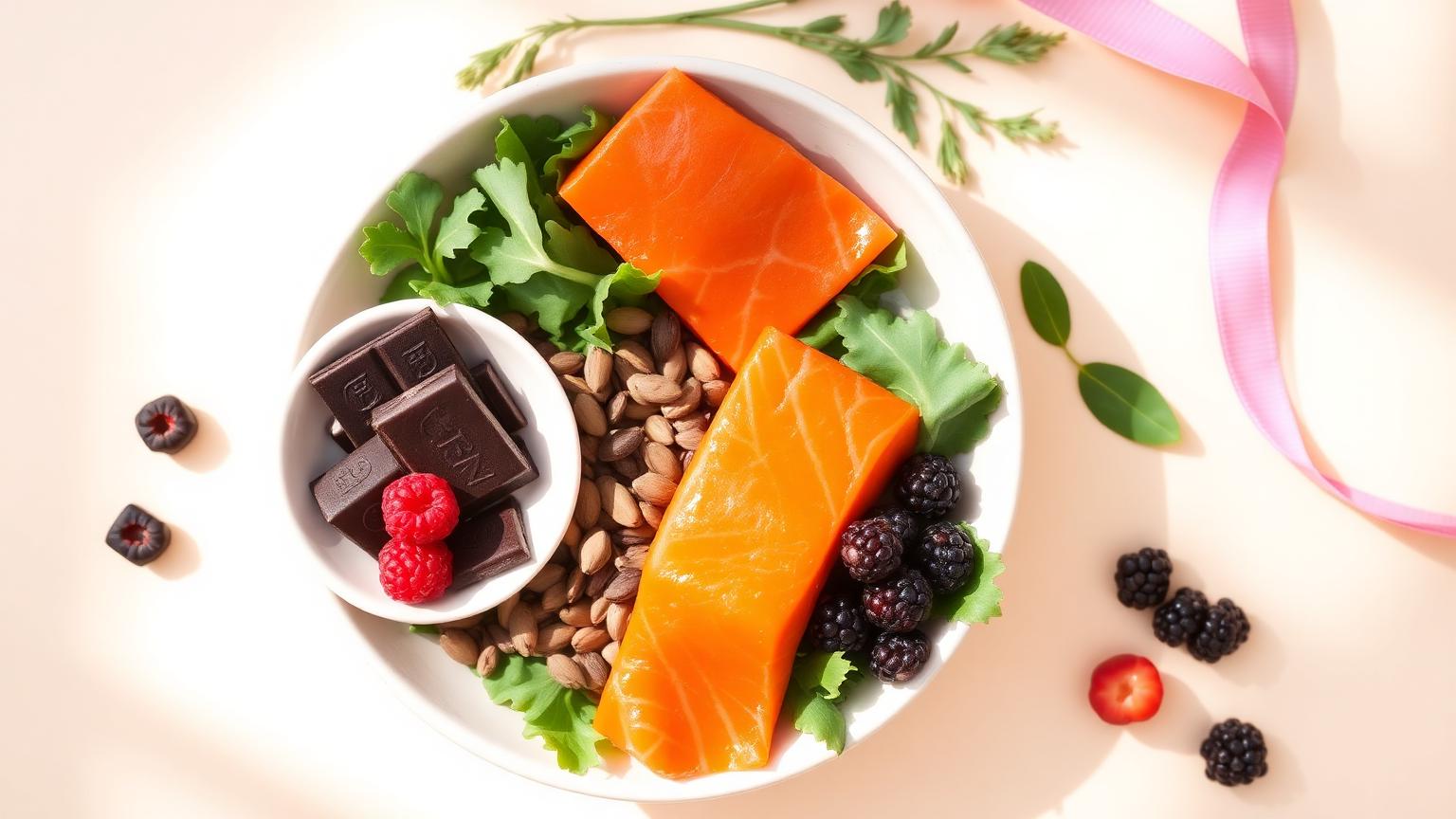
- Luteal: Protein and fiber at every meal for steadier blood sugar. Magnesium-rich foods like pumpkin seeds, dark leafy greens, nuts and dark chocolate. Complex carbs instead of a 4 p.m. sugar binge.
How to track your cycle
Use an app, a paper journal or a notes file. Log these every day, or at least on days with symptoms:
- First day of bleeding and flow heaviness
- Pain level (0–10)
- Energy and mood
- Sleep quality
- Cravings and appetite
- Libido
- Bloating, breast tenderness or headaches
- Optional: basal body temperature or ovulation test results
After two or three cycles, you'll start to see your own pattern, not the textbook one.
A checklist for busy working women
- Add your predicted phases to your work calendar.
- Block a lighter day on day 1 or 2 of your period if you can.
- Put high-stakes meetings in your follicular or ovulatory window when you have a choice.
- Prep luteal-week snacks ahead of time: nuts, Greek yogurt, fruit, dark chocolate.
- Set a fixed bedtime alarm for the week before your period.
- Do a quick 30-second symptom log each evening.
- Review your notes monthly and adjust.
Where Hormone-Free, Cycle-Synced Supplements Fit
Food, sleep, movement and stress management come first. Supplements can add to a solid routine, but they can't replace one.
If you want targeted support, Feme makes hormone-free, cycle-synced supplements with vitamins, minerals and naturally derived ingredients, built around the four phases:
- Full Balance: a daily foundation formula for every phase.
- PMS SOS: targeted support for the luteal phase, when PMS symptoms tend to show up.
- Sweet Balance: for the sugar cravings many women notice before their period.
- Mojo: for energy and desire.
Feme references a 46-woman consumer test of PMS SOS. A consumer test is different from a controlled clinical trial, so read it as an early signal rather than proof. Some women notice a difference and others don't, and individual results vary.
Not sure where to start? The Feme hormone wellness quiz can help you match products to the symptoms you track most.
These statements have not been evaluated by the Food and Drug Administration. These products are not intended to diagnose, treat, cure or prevent any disease. Talk to your healthcare provider before using supplements if you take medication or hormonal birth control, are pregnant or breastfeeding, or have a medical condition.
When to Talk to a Healthcare Provider
Tracking helps you notice when something has moved beyond normal ups and downs. Book an appointment if you notice:
- Severe pain that painkillers don't control or that keeps you from daily activities.
- Very heavy bleeding, such as soaking through a pad or tampon every hour for several hours in a row, or periods lasting longer than about 8 days. ACOG lists bleeding beyond this as a sign of abnormal uterine bleeding.
- Cycles shorter than about 24 days or longer than about 38 days, or cycles that vary a lot from month to month.
- Mood changes that disrupt your life, such as depression, anxiety, rage or hopelessness before your period. This may point to PMDD. A large review estimated it affects around 3.2% of women and girls, or about 1.6% when stricter diagnostic criteria were applied.
- Missed periods or a sudden change in your usual pattern.
- Bleeding between periods or after sex.
Bring your tracking data to the appointment. Dates, pain scores and mood notes turn "it's been bad lately" into evidence a provider can act on. If you feel dismissed, ask follow-up questions, ask what tests are possible, or get a second opinion. You're allowed to advocate for yourself.
FAQ
What is the difference between infradian and circadian rhythm in women?
A circadian rhythm repeats about every 24 hours and controls your sleep-wake cycle, cortisol and melatonin. An infradian rhythm is any cycle longer than 24 hours. For women, the main example is the menstrual cycle, which in adults typically lasts about 24 to 38 days. Women live with both at once, so energy and mood can shift across the day and across the month.
Do men have an infradian rhythm?
Men don't have a monthly hormone cycle like the menstrual cycle. Their main sex hormone, testosterone, follows a mostly daily pattern that peaks in the morning and falls by evening, with levels declining gradually with age. Men can still experience broader infradian patterns, such as seasonal changes in mood or sleep, but these aren't driven by a monthly reproductive cycle.
Is every woman's infradian rhythm 28 days long?
No. Twenty-eight days is an average, not a rule. Current ACOG guidance generally places normal adult cycles at about 24 to 38 days (older references cite 21 to 35). In the Apple Women's Health Study, cycle length varied widely between people and differed by age, ethnicity and body mass index. Ovulation doesn't always happen on day 14 either. Track your own cycle so you learn your own pattern.
Does hormonal birth control affect your infradian rhythm?
Yes. Many hormonal contraceptives work by suppressing ovulation, which changes the natural rise and fall of estrogen and progesterone. On combined pills, the monthly bleed is usually a withdrawal bleed, not a true period. That means the phase patterns in this guide may not apply in the same way. Ask your provider how your specific method affects your cycle.
Can poor sleep or a disrupted circadian rhythm affect your menstrual cycle?
Research suggests it can. Studies link night-shift and rotating shift work to higher odds of irregular cycles, though they show association rather than proven cause. Light at night and sleep loss may disrupt the hormone signals that regulate ovulation. The effect works both ways: late-luteal hormone shifts and a higher body temperature can make sleep worse. Consistent sleep and morning light support both clocks.
What is cycle syncing, and does it actually work?
Cycle syncing means adjusting exercise, food, work and social plans to the phases of your menstrual cycle. Scientific evidence for specific performance or diet benefits is still limited, and reviews find little effect of cycle phase on strength gains. Still, many women find that tracking symptoms and planning around their own patterns helps them feel more in control. Use it as a flexible tool, not a strict rulebook.