What Supplements to Take During the Follicular Phase: A Guide
Your period has just started, and over the next week or two your energy usually begins to come back. If you're wondering what supplements to take during the follicular phase, here's the short version. Focus on refilling what bleeding uses up, and build on a steady daily routine. You don't need a new bottle every week. This guide links each nutrient to what your body is doing as estrogen rises, separates real evidence from cycle-syncing hype, and shows how good food plus a consistent base covers most of what you need.
Key takeaways
- The most useful follicular phase nutrients are iron, B vitamins (B6, B12 and folate), magnesium, zinc, vitamin D and omega-3s.
- Taking them consistently every day matters more than switching products by phase.
- Iron is the main nutrient tied to this phase, because the phase starts with your period. Get tested before you take high doses.
- No supplement has been shown to "boost estrogen" safely or "fix" your hormones. Be wary of any product that says it does.
- Heavy bleeding, extreme tiredness or severe pain need a doctor. A supplement can't stand in for that visit.
The Short Answer: What Supplements to Take During the Follicular Phase
The follicular phase isn't the time for an exotic hormone blend. It's the time to cover your basics, especially in the first few days, when you're still bleeding.
| Nutrient | Why it matters now | Top food sources |
|---|---|---|
| Iron | Replaces menstrual losses | Red meat, lentils |
| B vitamins | Energy metabolism | Eggs, fish, greens |
| Magnesium | Muscles, sleep | Nuts, seeds, beans |
| Zinc | Normal cell growth | Shellfish, pumpkin seeds |
| Vitamin D | Common shortfall | Sun, oily fish |
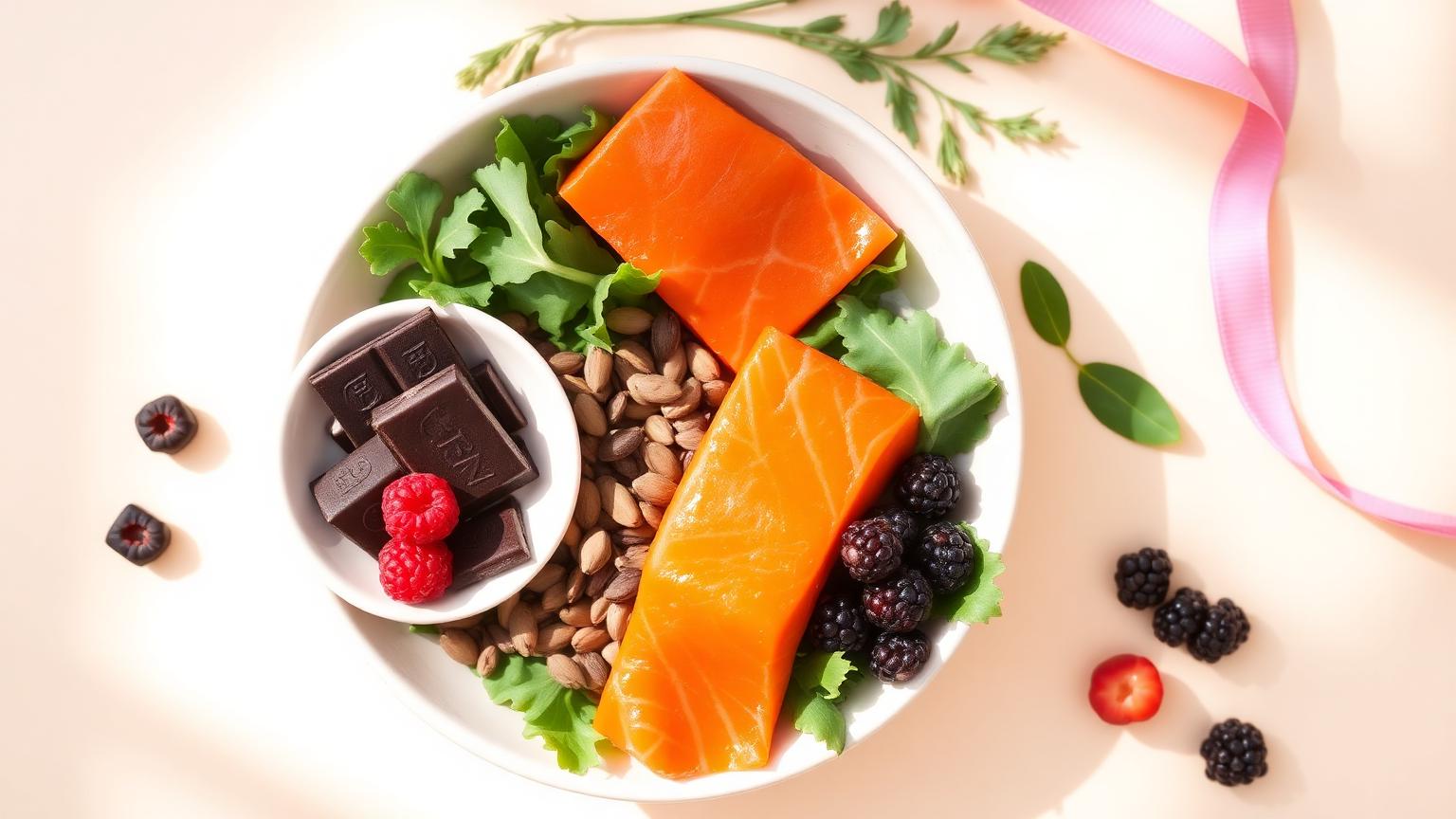
| Omega-3s | Everyday foundation | Salmon, sardines |
Most of the benefit comes from steady daily intake. Stores of nutrients like iron, vitamin D and magnesium build up and drop over weeks, not days. Taking magnesium for four days and then stopping it for a "different phase" doesn't match how your body stores and uses it.
Your needs also depend on your diet, how long your cycle is, how heavily you bleed and your overall health. Check with a healthcare provider before adding supplements, especially if you take medication or use hormonal birth control.
Supplement disclaimer: Dietary supplements support general wellness. They are not intended to diagnose, treat, cure or prevent any disease.
What Happens in Your Body During the Follicular Phase
The follicular phase begins on the first day of your period and ends when you ovulate. In a textbook 28-day cycle, that's roughly days 1 to 13. Real bodies vary, though, and Cleveland Clinic notes that the follicular phase's length differs from person to person. This variation is a big reason cycle lengths differ. During this phase your ovaries prepare and grow an egg for ovulation.
The estrogen rise in the follicular phase
Follicle-stimulating hormone (FSH) drives this phase. According to Cleveland Clinic, FSH causes follicles in one of the ovaries to begin to mature. Usually only one follicle goes on to produce a fully mature egg. As the follicles grow, they release estrogen, which climbs steadily toward ovulation. Estrogen also rebuilds the uterine lining you just shed.
How you might feel
As estrogen rises, many women notice they feel more energetic, motivated and social, and some say their skin looks clearer. That isn't universal. Stress, sleep, health conditions and hormonal contraception all affect how you feel, so treat these patterns as possibilities rather than promises.
Why recovery comes first
Many cycle-syncing guides gloss over one point: the first days of the follicular phase overlap with your period. Before the high-energy stretch, your body is replacing blood and recovering from cramps. That's why replenishing comes first.
Key Follicular Phase Nutrients and Why They Matter
Below are the follicular phase vitamins and minerals with a clear reason to be on your list, plus an honest read on the evidence.
| Nutrient | What it supports | Evidence note |
|---|---|---|
| Iron + vitamin C | Healthy blood | Strong for deficiency |
| B6 | Nervous system | Mixed, low quality |
| Magnesium | Muscles, fluid balance | Small studies |
| Omega-3s | Period pain | Promising meta-analysis |
| Vitamin D | Bones, immunity | Widespread low levels |
Iron and vitamin C
Iron is the nutrient most directly linked to this phase. Harvard's Nutrition Source notes that iron deficiency is seen most commonly in children, women who are menstruating or pregnant, and in people whose diets are low in iron. Iron-deficiency anemia can cause extreme tiredness and lightheadedness.
Vitamin C helps. Harvard explains that eating vitamin C and heme iron at the same meal can improve absorption of non-heme (plant) iron. Bran fiber, large amounts of calcium (particularly from supplements) and tannins in tea can reduce it.
One firm caution: don't take high-dose iron on your own without a blood test. Too much iron can cause problems, and fatigue has many possible causes.
B vitamins
B vitamins help your body turn food into energy, and B6 and folate also play roles in nervous system function. The evidence on PMS is still developing. The NIH Office of Dietary Supplements says scientists aren't yet certain about vitamin B6 for PMS, although some studies suggest it may ease moodiness, irritability, bloating and anxiety. Mayo Clinic's vitamin B-6 overview also covers PMS, and overall the research is limited and inconsistent.
More isn't better with B6. Taking high doses for long periods can cause nerve damage. The NIH sets the adult upper limit at 100 mg a day, and in 2023 the European Food Safety Authority set a much lower tolerable upper intake level of 12 mg a day. Check the B6 content of every product you take, including multivitamins. B vitamins are a sensible part of your base, but they aren't a miracle fix.
Magnesium and zinc
Magnesium supports normal muscle and nerve function and is often linked to better sleep. In one small placebo-controlled trial, magnesium supplementation reduced fluid-retention symptoms like bloating in the second month, but not in the first. That supports taking it consistently rather than only on certain days. Zinc supports normal cell growth and immune function. It earns a place in your daily base rather than being specific to this phase.
Vitamin D and omega-3s
These two are everyday foundations, whatever phase you're in. Low vitamin D is common. A 2025 meta-analysis found vitamin D deficiency is widespread among healthy adults, with higher rates in women. An earlier review found deficiency and insufficiency are common in women of childbearing age. For omega-3s, a 2024 meta-analysis suggested omega-3s may help reduce period pain. That's encouraging, though the studies are small and more research is needed.
None of these nutrients "boost estrogen" or rebalance your hormones on command. They help your body do its normal work.
Food First: Follicular Phase Vitamins on Your Plate
Supplements fill gaps, but food does most of the work. Use these as your follicular-phase anchors:
- Pair iron with vitamin C. Eat lean red meat, lentils or spinach with bell peppers, citrus, strawberries or tomatoes.
- Time your tea and coffee. Drink them between meals, not with iron-rich meals.
- Feed your gut. Yogurt, kefir, kimchi and sauerkraut, along with fiber from oats, beans and whole grains, support digestion and overall health.
- Add cruciferous vegetables. Broccoli, cabbage and Brussels sprouts bring fiber and folate.
- Get enough protein. Eggs, fish, tofu and chicken support muscle repair if you're training harder on higher-energy days.
- Choose complex carbs. Quinoa, sweet potatoes and brown rice give steady fuel for workouts and long workdays.
Sample one-day follicular phase meal plan
- Breakfast: Overnight oats with kefir, pumpkin seeds and strawberries
- Lunch: Lentil and spinach salad with roasted red peppers, feta and a lemon dressing
- Snack: Hard-boiled eggs and an orange
- Dinner: Grilled salmon or lean steak, quinoa and roasted broccoli
- Evening: Herbal tea and a handful of almonds
This plan covers iron with vitamin C, B vitamins, magnesium, zinc and omega-3s without anything complicated.
Cycle Syncing Supplements for the Follicular Phase: Hype vs. Helpful
Cycle syncing means adjusting how you eat, move and work to match the four phases of your cycle. The follicular phase is often called the "fresh start" phase, because your period is ending and energy tends to return.
Paying attention to your cycle can be empowering, but some of the marketing gets ahead of the science. A study of TikTok content suggests that cycle-syncing videos oversimplify a complex body of research.
| Popular claim | What evidence says |
|---|---|
| Seed cycling balances hormones | No controlled trials |
| Flax raises follicular estrogen | Old study: no effect |
| Phase-timed training | Small, inconsistent effects |
| Daily nutrient base | Well supported |
Examine reports no controlled trials on seed cycling for hormonal health. GoodRx points to a 1993 study finding flax lignans had no significant influence on estrogen concentrations in either phase. The seeds are still nutritious. You just don't need to rotate them on a schedule.
Exercise research is mixed too. A 2020 review suggested exercise performance may be slightly lower during the early follicular phase, but its authors recommended individualized approaches. Another evidence review notes that differences between individuals are far larger than any average phase effect.
That's why a consistent base you take all cycle long is more realistic, especially if you're busy. One routine is easier to stick to than four.
Red flags to watch for:
- Promises to "balance hormones fast" or "boost estrogen"
- Claims to replace medical care, birth control or prescribed treatment
- Clinical-sounding numbers with no study details
- Pressure to buy a different product for every week
How Full Balance Fits Into Your Follicular Phase Routine
If you want a simple foundation, Full Balance is Feme's daily formula. It's hormone-free, made with vitamins, minerals and naturally derived ingredients, and designed to be taken through all four phases.
Why does a daily base matter in the follicular phase in particular? Because this is when you set up the rest of your cycle. Many women only think about their cycle when PMS arrives, and by then they're reacting. Starting consistent support in the "fresh start" phase gets you ahead of it.
Full Balance is also the base for more targeted options later in the month:
- PMS SOS for luteal-phase PMS support. Details of Feme's consumer testing are on the product page.
- Sweet Balance for luteal-phase sugar cravings
- Mojo for energy and desire
- Discounted duos, which pair Full Balance with a targeted formula
Some women report that their cycles feel smoother over time. Individual results vary, and a supplement works best alongside good food, sleep and movement.
These products are hormone-free dietary supplements and are not intended to diagnose, treat, cure or prevent any disease. Talk to your healthcare provider before use if you're pregnant, breastfeeding, taking medication or using hormonal birth control.
Build Your Follicular Phase Supplement and Lifestyle Routine
Use this checklist from day 1 of your period:
- Track day 1. Log the first day of bleeding in an app or your notes.
- Take your daily base. Take it at the same time each day, for example with breakfast.
- Prioritize iron-rich meals during your period and for several days after.
- Drink enough water, especially if you're training harder.
- Plan higher-intensity workouts for the days you feel strong, and ease off on heavy-flow days if your body asks you to.
- Protect your sleep. Aim for consistent bed and wake times.
- Add strength training two or three times a week, if you enjoy it.
- Schedule big projects for days when you typically feel sharp and motivated.
Tracker tips: Each day, rate your energy, mood, cramps, bloating, cravings and sleep from 1 to 5. Do it for two to three cycles. Patterns only show up over time, and the record is useful to bring to a doctor's visit.
To personalize your routine further, take the Feme hormone wellness quiz. It can help you work out which phase-specific support suits your symptoms.
When to Talk to a Doctor
Supplements support wellness. They're not a workaround for symptoms that need medical care. Book an appointment if you notice any of these:
- Heavy bleeding. CDC guidance describes heavy bleeding as a period lasting longer than 7 days, soaking through one or more pads or tampons every hour for several hours in a row, needing to change protection overnight, or passing clots as large as a quarter.
- Signs of anemia, such as extreme tiredness, dizziness or shortness of breath. Cleveland Clinic warns that anemia can be life-threatening without treatment.
- Very irregular cycles, or periods that suddenly change
- Severe pain that disrupts work, school or sleep
Questions to ask your provider:
- Can I get ferritin, vitamin D and B12 tests before starting high-dose supplements?
- Do any supplements interact with my medication or hormonal birth control?
- Could my symptoms point to an underlying condition?
You don't have to accept cycle discomfort as normal. Getting answers is self-care, and you deserve a provider who takes you seriously.
From Follicular to Luteal: What Comes Next
Once estrogen peaks, ovulation follows. Then you enter the luteal phase, when progesterone rises and PMS, cravings and fatigue often show up. Our luteal-phase guides go deeper into that stage, including where targeted support like PMS SOS and Sweet Balance fits.
What you do now carries into those weeks. Refilling your iron, keeping your daily base steady, eating well and tracking your patterns means you reach the luteal phase prepared instead of drained.
To recap: you don't need a cabinet full of phase-specific bottles. Cover your basics, eat for the energy you have, treat hormone-hacking promises with healthy skepticism, and see a doctor when something feels off. Your cycle gives you useful information, so use it.
FAQ
What supplements should I take during the follicular phase?
The most helpful follicular phase vitamins and minerals are iron (paired with vitamin C), B vitamins such as B6, B12 and folate, magnesium, zinc, vitamin D and omega-3s. Most of these work best when you take them consistently all cycle, not just during this phase. Your needs depend on your diet and health, so ask a healthcare provider before adding new supplements.
Should I take iron during the follicular phase after my period?
Iron-rich meals are a smart choice during and after your period, because bleeding uses up iron. A supplement is a different matter. Get your ferritin or iron levels tested first, since too much iron can cause problems and tiredness has many causes. If you bleed heavily or feel dizzy or exhausted, see a doctor rather than self-dosing.
Do I need different supplements for each phase of my cycle?
Not necessarily. Many nutrient stores build up and drop over weeks, so a consistent daily base is simpler and better supported by evidence than rotating products. Some women add targeted support in specific phases, such as the luteal phase for PMS or cravings. Treat those as optional extras on top of a steady foundation, not replacements for it.
Can supplements increase estrogen during the follicular phase?
There's no good evidence that typical supplements or seed cycling reliably raise estrogen. One older study found flax lignans had no significant effect on estrogen levels. Your body raises estrogen naturally as follicles grow. Nutrients support that normal process but don't override it. Be cautious of any product that promises to "boost estrogen" or balance hormones fast.
Can I take follicular phase supplements while on birth control?
Hormonal birth control often suppresses ovulation, so you may not have natural follicular and luteal phases in the same way. Some nutrients and herbs can also interact with medications. Ask your doctor or pharmacist before starting any supplement while on hormonal contraception. A hormone-free daily base may still fit your routine, but get it checked first.
How long does it take to notice a difference with cycle support supplements?
Give any routine at least two to three full cycles before judging it. In one small magnesium study, bloating-related symptoms improved in the second month, not the first. Track your energy, mood and symptoms daily so you can see real patterns. Individual results vary, and if symptoms are severe, talk to a healthcare provider.