How to Stop Sugar Cravings Before Your Period: 9 Real Tactics
You know the feeling. It's day 24, it's 3 p.m., and the office cookie tin starts calling your name. If you've been searching for how to stop sugar cravings before your period, you don't need another lecture to "just eat healthy." What helps more is a plan built around when your cravings hit: which cycle days, which time of day and what else is going on in your life. This guide gives you nine science-informed tactics, timed to your luteal phase, so you can work with your body instead of against it.
Key takeaways
- Steady blood sugar, protein and fiber at every meal, enough sleep and a stress plan usually do more for luteal phase sugar cravings than willpower.
- Studies suggest many women eat more in the luteal phase, so eating a bit more nourishing food during this phase is reasonable.
- Planned treats, especially dark chocolate, tend to work better than strict restriction, which often ends in a binge.
- Track one or two cycles first so you can time each tactic to your personal craving window.
- Supplements may help some women, but they work alongside your habits, not instead of them.
The Short Answer: How to Stop Sugar Cravings Before Your Period
Cravings before your period are common, but they don't have to run the show. Small changes timed to your cycle may noticeably take the edge off. Here are the nine tactics in this guide:
- Build meals around protein, fiber and healthy fat
- Don't skip meals, and plan an afternoon snack
- Pair carbs with protein
- Choose dark chocolate in a planned portion
- Keep go-to sweet swaps ready
- Protect your sleep the week before your period
- Make a comfort plan that doesn't involve food
- Hydrate, and rethink caffeine and alcohol
- Consider supplements for sugar cravings
Don't try all nine at once. Choose two or three that match your biggest triggers, run them for a cycle, then add more. For the full science behind cravings, see our deeper guide on why period cravings happen.
Why Sugar Cravings Spike Before Your Period (The 60-Second Version)
After ovulation, progesterone rises and the balance between estrogen and progesterone shifts. Research links these hormones to appetite. One review notes that food intake is at its lowest in the late follicular and periovulatory phases, when estrogen is high and progesterone is low. One study reported that progesterone was positively associated with craving sweet-rich foods. Another found higher mid-luteal progesterone linked to fewer premenstrual cravings. In other words, the science is still being worked out.
Mood plays a part too. Premenstrual mood shifts, possibly involving changes in serotonin, can make sweets feel especially comforting, and sugar delivers a fast, reliable reward.
Blood sugar may also be involved. In a small study, University of Tübingen researchers found that the brain's response to insulin, which helps regulate insulin sensitivity throughout the body, worked in the follicular phase but not in the luteal phase. Medscape's coverage summed this up as insulin sensitivity fluctuating across the cycle. Research in women with type 1 diabetes has also found lower insulin sensitivity in the luteal phase. That is one plausible link between blood sugar and PMS.
Timing differs from person to person. The Merck Manual describes PMS symptoms as starting before your period and easing once it begins. The U.S. Office on Women's Health says symptoms typically appear one to two weeks before your period, and other sources describe a range from several days to two weeks before. Many women notice cravings most in the week or so before bleeding, but tracking is the only way to see your own pattern.
Know Your Craving Window: Track It Before You Try to Fix It
Before you change anything, collect a little data. For one or two cycles, log:
- Cycle day (day 1 = first day of bleeding)
- Time of day the craving hit
- Mood and energy (stressed, tired, bored, low)
- What you craved and what you ate
- Context: skipped meal, poor sleep, deadline, alcohol the night before
A simple log might look like this:
| Cycle day | Time | Mood/trigger | Craving |
|---|---|---|---|
| Day 21 | 3 p.m. | Skipped lunch | Candy |
| Day 23 | 9 p.m. | Slept 5 hours | Ice cream |
| Day 25 | 4 p.m. | Work stress | Chocolate |
| Day 26 | 10 p.m. | Wine with dinner | Cookies |
Patterns tend to appear quickly: afternoon crashes, late-night cravings after a bad night's sleep, sugar cravings on stressful days. Use them to schedule the tactics below for the days you need them most. If you're not sure where to start, Feme's hormone wellness quiz is an optional way to think through your symptoms by phase.
Tactics 1 to 3: Keep Your Blood Sugar Steady
Tactic 1: Build every meal around protein, fiber and healthy fat. These slow digestion, which softens the glucose spike-and-crash cycle that can send you looking for sugar an hour later.
Tactic 2: Don't skip meals. Long stretches without food are a classic craving trigger, especially in the luteal phase. Eat breakfast and plan a balanced afternoon snack for the 3 p.m. slump before it arrives.
Tactic 3: Pair carbs with protein. Eaten alone, sweets digest fast. With a protein partner, they settle more gently.
| Instead of… | Try… |
|---|---|
| Plain toast | Toast with eggs |
| Apple alone | Apple + nut butter |
| Granola bar | Greek yogurt + granola |
| Crackers | Crackers + cheese |
Good building blocks for steady blood sugar:
- Protein: eggs, Greek yogurt, tofu, chicken, fish, lentils
- Fiber: oats, beans, berries, leafy greens, chia seeds
- Healthy fat: avocado, nuts, olive oil, seeds
You're probably also hungrier than usual, and that's not a failure. A recent meta-analysis found that women ate modestly more, on average, in the luteal phase than in the follicular phase. Some studies also report higher energy expenditure in the luteal phase. Eating a little more nourishing food can be the right answer.
Tactics 4 to 5: Satisfy Period Chocolate Cravings the Smart Way
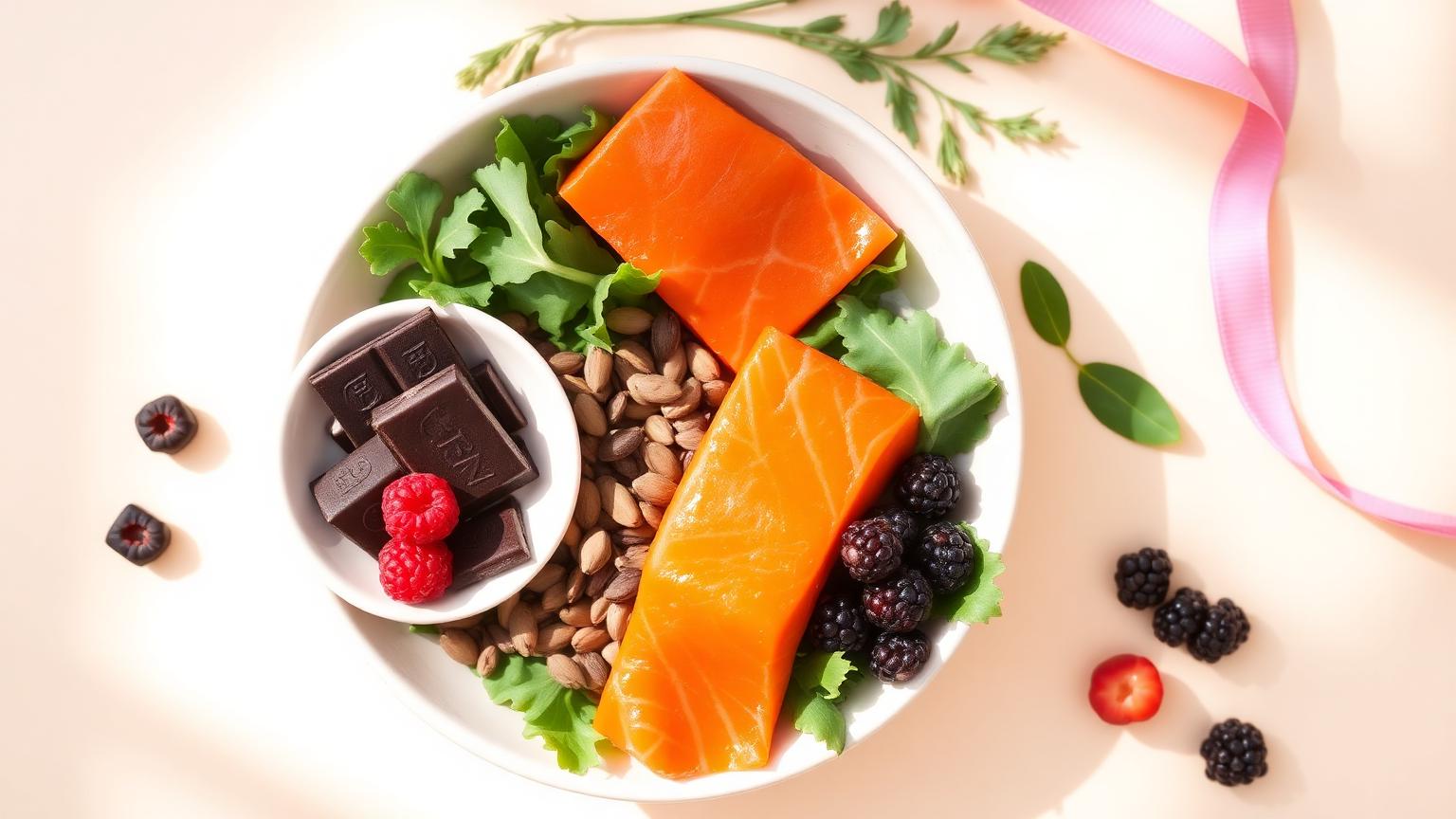
Tactic 4: Choose dark chocolate in a planned portion. Chocolate is one of the most commonly reported premenstrual cravings. Instead of banning it until you snap, plan for it: a square or two of 70% or darker chocolate, eaten slowly, after a meal.
Why does chocolate appeal so much? Taste and comfort count for a lot. One dietitian suggests cravings are satisfied more by the sensory experience than by the specific nutrient. Dark chocolate does contain some magnesium. Cleveland Clinic lists about 64 mg per ounce of 70–85% dark chocolate, against a recommended 310–420 mg a day for adults. That's a useful contribution, but it doesn't prove your craving is a "magnesium deficiency."
Tactic 5: Keep go-to swaps ready. Cravings win when the easiest option is a vending machine.
| Craving | Smart swap | Why it helps |
|---|---|---|
| Milk chocolate | 70%+ dark chocolate | Less sugar, more cocoa |
| Ice cream | Greek yogurt + berries | Protein + fiber |
| Candy | Dates + nut butter | Sweet + fat + fiber |
| Milkshake | Cacao-banana smoothie | Chocolatey, more filling |
Give yourself permission, without guilt. Rigid restriction often backfires. A planned treat you actually enjoy is a strategy, not a slip-up.
Tactics 6 to 7: Sleep, Stress and the Emotional Side of Cravings
Tactic 6: Protect your sleep in the week before your period. Sleep loss changes how you eat. In a study of adolescents published in the journal Sleep, sleep restriction was linked to eating more sweets and calories, especially at night. Experimental research also suggests that sleep deprivation increases the desire for foods high in sugar and fat. Aim for seven hours or more in your luteal week, and move late commitments if you can.
Tactic 7: Have a comfort plan that doesn't involve food. When stress or a low mood hits, it helps to have something else to reach for:
- A 10-minute walk outside
- A warm shower or bath
- Five minutes of journaling
- Calling or texting a friend
- Stretching or gentle yoga
- A favorite playlist or podcast
Gentle movement may lift your mood and energy without draining you the way an intense workout sometimes can late in your cycle.
Before reaching for sweets, try a quick check-in: Am I hungry, tired or stressed? If you're hungry, eat a real snack. If you're tired, rest. If you're stressed, use your comfort plan. Sometimes the answer is still chocolate, and that's fine.
Tactic 8: Hydrate and Rethink Caffeine and Alcohol
Some people find that thirst and fatigue feel a lot like a sugar craving. A glass of water and a short pause before you snack costs nothing.
Caffeine is trickier. One coffee is fine for many people. Several cups, or caffeine late in the day, may disrupt sleep and lead to energy crashes, and both can feed cravings (see Tactic 6). Alcohol can lower your inhibitions around sweets and affect blood sugar, which may be why late-night cookies so often follow a glass of wine.
Simple swaps:
- Herbal tea (peppermint, ginger or rooibos) in the afternoon
- Sparkling water with citrus or berries in place of a cocktail
- Decaf after noon during your luteal week
Tactic 9: Consider Supplements for Sugar Cravings
Supplements for sugar cravings are a popular topic, but the evidence is thinner than the marketing.
- Magnesium: Often discussed for cycle support, and found in dark chocolate, nuts and seeds. The popular claim that chocolate cravings mean a magnesium deficiency isn't proven.
- Chromium: Involved in blood sugar metabolism. In an exploratory trial in adults with atypical depression, chromium picolinate improved carbohydrate craving scores compared with placebo. Overall, the evidence is mixed, with modest effect sizes, and it isn't specific to PMS.
- B vitamins: Support energy metabolism and are common in women's formulas, though evidence on PMS cravings specifically is limited.
Sweet Balance from Feme is designed for luteal-phase cravings. It's hormone-free and made with vitamins, minerals and naturally derived ingredients. Some women find it helpful during their craving window, but individual results vary.
If you want wider support, Sweet Balance can be paired with Full Balance as a daily foundation formula, or with PMS SOS for broader PMS support. Keep in mind that brand or consumer testing isn't the same as a clinical trial.
Supplements work best alongside food, sleep and stress habits, not as a replacement for them.
These products are dietary supplements and are not intended to diagnose, treat, cure or prevent any disease. Check with a healthcare provider before use if you take medication, use hormonal birth control, are pregnant or breastfeeding, or have a health condition.
Your Pre-Period Craving Plan: A Sample Luteal Week
Use this plan for the seven days before your period, and adjust it to your tracked pattern.
| Day | Focus | Snack idea | Evening |
|---|---|---|---|
| 7 days out | Grocery shop | Prep egg bites | Bed by 10:30 |
| 6 days out | Snack prep | Apple + nut butter | Herbal tea |
| 5 days out | Steady meals | Hummus + veggies | Short walk |
| 4 days out | Stress check | Yogurt + berries | Journal 5 min |
| 3 days out | Planned treat | Dark chocolate square | Warm shower |
| 2 days out | Hydration | Dates + almonds | No alcohol |
| 1 day out | Rest | Cacao smoothie | Early night |
Grocery list: eggs, Greek yogurt, berries, apples, nut butter, oats, lentils, leafy greens, avocado, dates, 70%+ dark chocolate, herbal tea, sparkling water.
Example day of eating:
- Breakfast: oats with chia, Greek yogurt and berries
- Lunch: lentil and greens bowl with avocado and olive oil
- 3 p.m. snack: apple with nut butter
- Dinner: salmon or tofu, roasted vegetables, brown rice
- Planned treat: two squares of dark chocolate
Where supplements fit: if you use them, take them at the same time every day (with breakfast, for example) so they become routine. Follow the label directions.
Run the plan for two to three cycles, keep logging and adjust. If your cravings show up at 9 p.m. rather than 3 p.m., move your planned snack and wind-down to match.
When Cravings Signal Something More: Talk to a Healthcare Provider
Cravings are common, but you don't have to just put up with severe symptoms. See a healthcare provider if you notice:
- Severe mood changes, hopelessness or irritability that strain your relationships or work
- Binge eating or a sense of losing control around food
- Extreme fatigue that doesn't improve with rest
- Symptoms that disrupt daily life cycle after cycle
- Irregular periods, excessive thirst or unexplained weight changes
These can point to conditions such as PMDD, insulin resistance, PCOS or thyroid problems. PMDD is less common than PMS. An Oxford-led review estimated that around 1.6% of women and girls have symptomatic PMDD, though estimates vary with how it's diagnosed. It's real, and it's treatable.
Get advice before starting any supplement if you have diabetes, take medication or use hormonal birth control.
You deserve care, not just endurance. Track your cycle, build a plan and get support when you need it.
FAQ
Why do I crave sugar so much right before my period?
After ovulation, progesterone rises and the balance of estrogen and progesterone shifts, and both hormones are linked to appetite. Mood dips can make sweets feel comforting, and some research suggests the body handles insulin less efficiently in the luteal phase. Add a higher energy need, stress or poor sleep, and sugar becomes very tempting. Tracking your cycle helps you see your own triggers and timing.
Is it okay to eat chocolate when I'm on my period or right before it?
Yes. Planned chocolate often works better than restriction, which can lead to bingeing. Dark chocolate of 70% or higher has less sugar and provides some magnesium, roughly 64 mg per ounce. Eat a portion you enjoy, ideally after a meal, and skip the guilt. If chocolate cravings feel out of control, it's worth talking to a provider.
How long do luteal phase sugar cravings usually last?
It varies. PMS symptoms can start anywhere from a few days to two weeks before bleeding, and they usually ease once your period starts. Logging your cycle day and craving times for one or two cycles shows your personal window, so you can time your tactics.
Does blood sugar affect PMS symptoms?
Possibly. A small University of Tübingen study found the brain's response to insulin differs between cycle phases, and research in women with type 1 diabetes shows lower insulin sensitivity in the luteal phase. Blood sugar swings from skipped meals or sugary snacks can also make energy crashes, irritability and cravings worse. Meals with protein, fiber and healthy fat may help keep things steadier, though research on blood sugar and PMS is still developing.
What supplements may help with sugar cravings before a period?
Magnesium, chromium and B vitamins are often discussed, but the evidence is limited or mixed, and chromium research isn't specific to PMS. Hormone-free formulas such as Sweet Balance are designed for luteal-phase cravings, and some women find them helpful, though results vary. Supplements work best alongside food, sleep and stress habits. Check with a healthcare provider first.
Can sugar cravings before my period be a sign of something more serious?
Usually not, but sometimes. See a healthcare provider if cravings come with binge eating, severe mood changes, extreme fatigue, irregular periods or symptoms that disrupt your daily life. These can be linked to PMDD, insulin resistance, PCOS or thyroid problems. Getting checked isn't overreacting. You deserve answers and care that fits you.