Cycle Syncing for Beginners: A Simple 28-Day Plan to Start
You've probably noticed it. One week you're answering emails at lightning speed and saying yes to every plan. Two weeks later you want sweatpants, carbs and zero small talk. Cycle syncing gives that pattern a framework. This guide to cycle syncing for beginners sets out a simple 28-day plan you can start this month. It adapts to real cycles, whether yours are longer, shorter, irregular or on birth control. It's also honest about what the science does and doesn't support.
Key takeaways
- Cycle syncing means adjusting food, movement, work and self-care to the four phases of your menstrual cycle.
- 28 days is a template. Adult cycles normally run about 21 to 35 days.
- Start by tracking. Then make one or two small changes per phase, not a full overhaul.
- Research on phase-specific workouts and diets is limited. Basics like iron, magnesium, sleep and regular movement have stronger support.
- Give it two to three cycles, and see a doctor about red-flag symptoms.
Cycle Syncing for Beginners in a Nutshell: What It Is and How to Start This Month
Cycle syncing means working with your hormones instead of against them. You adjust what you eat, how you move, how you plan your work and how you rest to fit the phase you're in. Cleveland Clinic says the first step is simply learning how your own cycle works.
To start this month:
- Track. Mark the first day of your period and log how you feel every day.
- Learn the phases. Know roughly when each phase starts and ends for you.
- Make small changes. Choose one or two easy tweaks per phase, like an earlier bedtime during your period or a new workout class in week two.
- Review. At the end of the cycle, keep what helped and drop what didn't.
Why 28 days is a template, not a rule. According to Cleveland Clinic, adult cycles usually last between 21 and 35 days. Large app-based analyses suggest only a minority of cycles are exactly 28 days. The plan below uses 28 days because the maths is easy, but your calendar can be longer or shorter.
A candid note: cycle syncing is a newer wellness practice, not an established medical protocol. Your hormones really do shift across the month. However, there are still few studies showing that phase-specific diets or workouts beat a consistent healthy routine. We cover that below.
What is backed up: you don't have to accept recurring cramps, crashes or mood swings as just "normal." Paying attention to your patterns is how you start doing something about them.
The Four Phases of the Menstrual Cycle, Explained Simply
Medically, your cycle has two main halves: the follicular phase and the luteal phase. Cleveland Clinic explains that the follicular phase starts on the first day of your period and ends at ovulation. Cycle syncing splits the month into four phases, which makes planning easier.
| Phase | Approx. days | Hormones | Season |
|---|---|---|---|
| Menstrual | 1–5 | Estrogen, progesterone low | Winter |
| Follicular | 6–13 | Estrogen rising | Spring |
| Ovulatory | 14–16 | Estrogen, LH peak | Summer |
| Luteal | 17–28 | Progesterone rises, falls | Autumn |
Menstrual phase (winter). Your uterine lining sheds. Cleveland Clinic notes that estrogen is at its lowest here, so energy often dips. Many people find this a natural time to rest and slow down.
Follicular phase (spring). Rising estrogen thickens the uterine lining, and energy typically climbs. Many women feel more curious, social and motivated.
Ovulatory phase (summer). An egg is released. Estrogen and testosterone peak, and some women notice more confidence, energy and desire.
Luteal phase (autumn). Progesterone rises after ovulation and then falls if you don't get pregnant. This is when PMS, cravings, bloating and irritability may show up.
The seasons make the phases easy to remember. According to Feme, they're also the idea behind the brand's Korean name, 사계, which means "four seasons." Its cycle-synced range is built around these four phases.
Before You Begin: How to Track Your Cycle and Find Your Phases
Day 1 is the first day of full bleeding, not spotting. Keep counting until the day before your next period starts. That's one cycle.
Tracking options, from easiest to most detailed:
- A period-tracking app. Quick and automatic. Apps predict phases from averages, so check the predictions against how you actually feel.
- A paper calendar or journal. Low-tech and surprisingly good at showing patterns.
- Basal body temperature (BBT). Take your resting temperature before you get out of bed each morning. Cleveland Clinic explains that it rises slightly after ovulation, so it confirms ovulation after the fact.
- Cervical mucus. Clear, stretchy, egg-white-like mucus signals high estrogen and that ovulation is near.
What to log every day: bleeding; symptoms such as cramps, bloating, headaches or breast tenderness; energy (1–5); mood; sleep quality; and cravings. Track for at least one or two cycles before you draw conclusions.
Estimating ovulation if your cycle isn't 28 days. The luteal phase tends to be the more consistent half, lasting roughly two weeks. Most of the difference in cycle length comes from the follicular phase. As a rough rule, subtract about 14 from your cycle length:
- 24-day cycle: ovulation around day 10
- 28-day cycle: ovulation around day 14
- 33-day cycle: ovulation around day 19
Then shift your plan to match. In a 33-day cycle, your "spring" simply lasts longer.
If you're not sure what your symptoms are telling you, Feme's hormone wellness quiz is a gentle place to start. It isn't a diagnosis, but it can help you see which phases give you the most trouble.
Your Cycle Syncing for Beginners 28-Day Plan, Week by Week
Each week has one food focus, one movement focus, one work or life focus and one self-care ritual. You don't have to do all four. Start with whichever feels easiest.
| Week | Food focus | Movement focus | Work/life focus |
|---|---|---|---|
| 1: Menstrual | Iron + magnesium | Walk, stretch, yoga | Lighter calendar |
| 2: Follicular | Fresh, varied meals | New workouts, strength | Brainstorm, plan |
| 3: Ovulatory | Fiber, antioxidants | Higher intensity | Pitches, networking, dates |
| 4: Luteal | Complex carbs, protein | Steady, then gentler | Admin, wrap-ups |
Week 1: Menstrual (Winter)
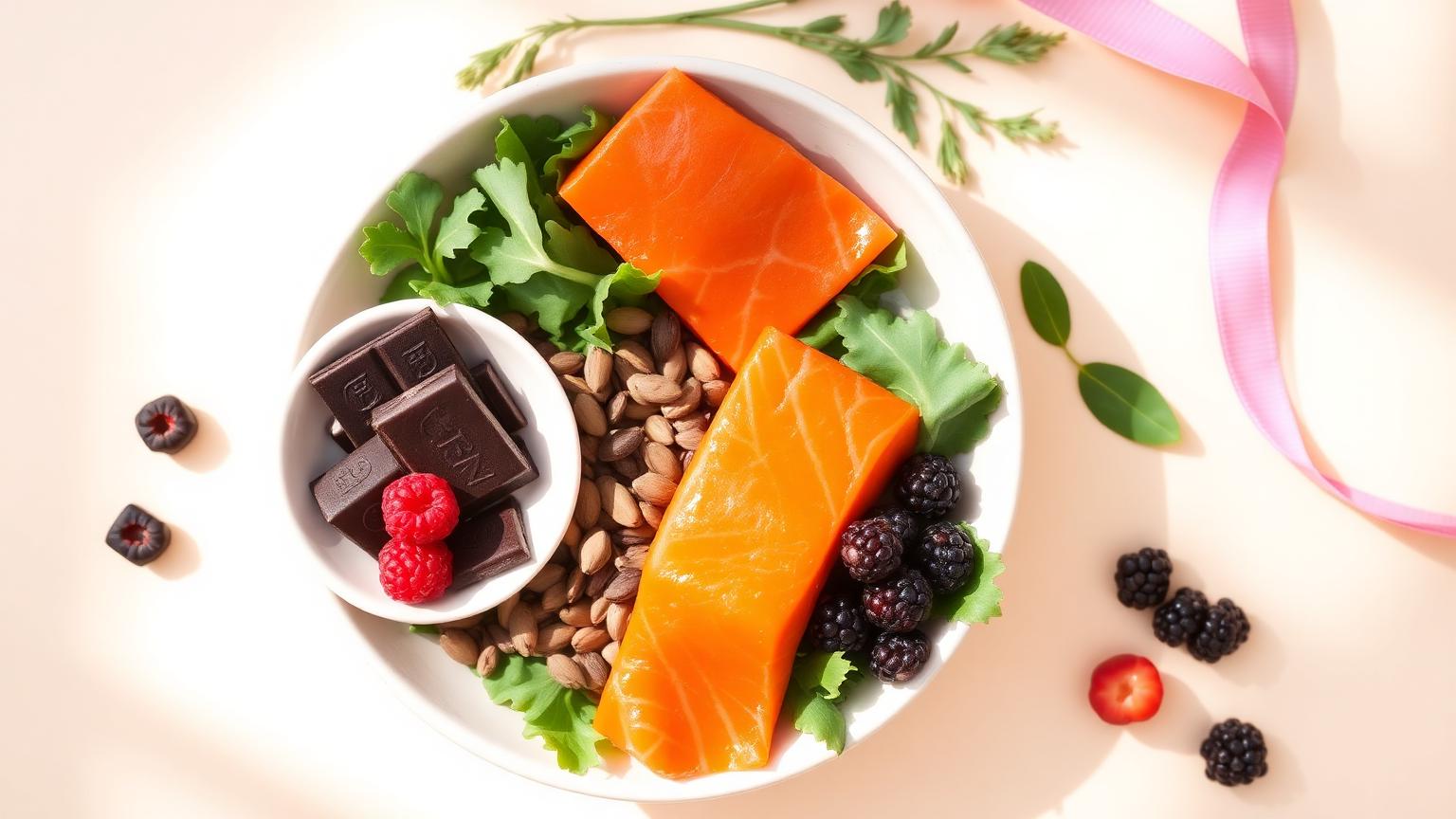
- Food: Add iron-rich foods such as lean red meat, lentils, beans, spinach and tofu. Pair them with vitamin C foods like citrus, peppers or berries, which help your body absorb iron. Include magnesium sources such as pumpkin seeds, dark chocolate and leafy greens.
- Movement: Walking, gentle yoga or stretching. If you feel great, train as usual.
- Work/life: Where you can, keep big meetings and social plans off days 1–2.
- Self-care ritual: A heat pad, an early night and a short reflection on what you want from this month.
Week 2: Follicular (Spring)
- Food: Try new recipes and fill your plate with colorful vegetables, fermented foods and lean protein.
- Movement: Test a new class, add strength training or push your progression.
- Work/life: Brainstorm, set goals and start new projects.
- Self-care ritual: Book the fun plan you've been putting off.
Week 3: Ovulatory (Summer)
- Food: Fiber-rich vegetables, whole grains and antioxidant-rich fruit. Keep drinking water, especially if you're training hard.
- Movement: HIIT, running intervals or heavier lifts, if it feels good.
- Work/life: Schedule presentations, hard conversations, networking and dates.
- Self-care ritual: Get outside for some sunlight and spend time with people who give you energy.
Week 4: Luteal (Autumn)
- Food: Complex carbs (oats, sweet potato, brown rice), protein at every meal and magnesium-rich foods. These help keep blood sugar steadier when cravings hit. Cutting back on very salty foods may help with bloating.
- Movement: Keep strength work going early in the week, then shift to Pilates, swimming or walks as your period gets closer.
- Work/life: Admin, editing, finishing projects and saying no to extras.
- Self-care ritual: Protect your sleep, stock comforting snacks you actually enjoy and tell your partner or roommate what kind of week it is.
How to Build a Cycle Syncing Calendar That Fits Your Real Life
A cycle syncing calendar turns the plan into something you'll actually follow. To set one up:
- Color-code by phase. Use red for menstrual, green for follicular, yellow for ovulatory and orange for luteal, in Google Calendar, Notion or a paper planner.
- Set phase-change reminders. A note like "Luteal starts Thursday, prep snacks + protect sleep" stops PMS from catching you off guard.
- Plan high-stakes events around your high-energy days when you can. If you control the date of a pitch, aim for week 2 or 3. If you don't, that's fine.
- Batch your meal prep. Write a grocery list for each phase and reuse it every month: lentil soup and iron-rich bowls for winter, big salads for summer, oat bakes and roasted sweet potatoes for autumn.
- Keep it flexible. Deadlines, travel and kids won't follow your hormones. The calendar is there to help you, not to make you feel guilty.
Example: a busy working woman's luteal-phase snapshot
- Monday: Strength session before work. Clear the inbox and update project trackers.
- Tuesday: Unavoidable client meeting. Prep notes the night before, eat a protein-heavy lunch and take a 10-minute walk beforehand.
- Wednesday: Focus on admin. Decline an optional after-work event.
- Thursday: Pilates or yoga. Heat up the batch-cooked chili.
- Friday: Wrap up the week's tasks. Bath, book and lights out early.
The meeting still happens. The plan just builds in support around it.
Supporting Each Phase With Supplements (Without Hormones)
Supplements are an optional extra. They don't replace food, sleep and movement. Some nutrients have early research behind them for PMS. In one small randomized, placebo-controlled crossover study, 200 mg of magnesium daily over two cycles was linked to less premenstrual fluid retention by the second month. Results across studies vary.
If you'd like extra support, Feme's cycle-synced range is designed around the four phases. According to the brand, every product is hormone-free and made with vitamins, minerals and naturally derived ingredients.
| Product | Designed for | When to use |
|---|---|---|
| Full Balance | Daily foundation | Whole cycle |
| PMS SOS | PMS support | Luteal phase |
| Sweet Balance | Sugar cravings | Luteal phase |
| Mojo | Energy and desire | As needed |
- Full Balance is the daily base formula, taken right through the cycle.
- PMS SOS targets the luteal-phase stretch when cramps, bloating and mood changes tend to appear. Feme references a consumer test with 46 women. That's a small consumer test, not a clinical trial, and individual results vary.
- Sweet Balance is formulated for the luteal-phase sugar cravings many of us know well.
- Mojo focuses on energy and desire, for weeks when you feel flat.
Some women notice a difference in how their cycle feels after using these consistently. Others don't, which is normal for any supplement.
Disclaimer: These products are dietary supplements and are not intended to diagnose, treat, cure or prevent any disease. Talk to a healthcare provider before starting any supplement if you take medication, use hormonal birth control, are pregnant or breastfeeding, or have severe symptoms.
Adapting the 28-Day Plan for Irregular Cycles, Birth Control and Life Changes
The 28-day plan is a starting point. Here's how to adapt it:
- Irregular cycles: Sync to your symptoms and energy rather than calendar days. Bleeding means "winter." Rising energy and clear, stretchy mucus suggest "spring" turning into "summer." PMS-type symptoms point to "autumn."
- Hormonal birth control: Most hormonal methods prevent pregnancy by stopping ovulation. Research shows they generally suppress your body's own estradiol and progesterone. The four natural phases don't really apply, so track how you feel and talk to your provider about patterns you notice.
- Perimenopause, postpartum and PCOS: Cycles can become unpredictable at these stages. Tracking still helps because it gives you real data to bring to appointments. Get professional guidance, since symptoms can overlap with conditions that need medical care.
- No period at the moment: Some people use moon-cycle syncing, roughly 29.5 days from new moon to new moon, as a loose rhythm for rest and activity. It's a structure, not a hormonal match.
Red flags that warrant a doctor visit:
- Period pain severe enough to stop your normal routine
- Very heavy bleeding. ACOG lists soaking through one or more pads or tampons every hour for several hours in a row, and periods that last longer than about a week, as warning signs
- Dizziness, weakness or shortness of breath with heavy periods. Untreated heavy bleeding can lead to iron deficiency anemia
- Missed periods, or cycles that are consistently outside the 21 to 35 day range
- Severe mood changes before your period that affect your relationships or work
Common Beginner Mistakes (and What Science Actually Says)
- Overhauling everything at once. A new diet, workout split and calendar system in the same week rarely lasts. Make one change per phase.
- Treating phase rules as strict. "Never do HIIT in your luteal phase" isn't supported by evidence. A recent review concluded it's premature to say hormone fluctuations meaningfully affect strength or muscle-building results. Other research summaries have found little evidence that women respond differently to diet and exercise across phases. If you feel strong in week 4, lift.
- Expecting results in one cycle. Patterns usually become clear only after two to three cycles of tracking.
- Mixing up evidence and hype. Some habits are well supported: replacing iron lost through bleeding, getting enough magnesium, sleeping well and moving regularly. "Seed cycling fixes your hormones" and miracle detox claims are not.
- Following a template over your body. That includes this one. Your symptom log matters more than any chart.
Cycle syncing's biggest benefit may be the awareness it builds. When you know a rough week is coming, you can plan for it instead of blaming yourself.
Your First-Cycle Checklist
- Start tracking today and mark your Day 1 when your next period arrives
- Pick one food habit, one movement habit and one self-care habit for each phase
- Set up a phase-colored calendar with reminders when each phase begins
- Take the hormone wellness quiz to explore your symptom patterns
- Review your notes at the end of the cycle, keep what worked and adjust the rest
FAQ
How long does it take to see results from cycle syncing?
Give it at least two to three full cycles. The first cycle is mostly about tracking and learning what your phases feel like. By the second and third, you'll spot patterns and can tell whether your changes are helping. Some women notice small wins sooner, like better energy planning. Results vary, and if symptoms are severe, see a healthcare provider rather than waiting.
Can you cycle sync if your cycle isn't 28 days or is irregular?
Yes. Adult cycles normally range from about 21 to 35 days, so 28 is just a convenient template. In a longer or shorter cycle, the follicular phase usually changes the most while the luteal phase stays more stable. If your cycles are irregular, sync to your symptoms, energy and body signs instead of calendar dates. Ask a doctor to check persistent irregularity.
Does cycle syncing work if you're on hormonal birth control?
Not in the traditional sense. Most hormonal contraceptives stop ovulation and keep your own hormone levels lower and steadier, so the four natural phases don't really happen. You can still track mood, energy and symptoms and build routines around what you notice. Talk to your provider before adding supplements or if you notice significant mood or symptom changes.
What should you eat during each phase of the menstrual cycle?
Use this as a loose guide. During menstruation, focus on iron-rich foods paired with vitamin C, plus magnesium sources. In the follicular phase, eat fresh, varied meals. Around ovulation, emphasize fiber and antioxidant-rich produce. In the luteal phase, pick complex carbs, protein and magnesium to help with cravings. A balanced diet all month matters more than strict phase rules.
Is cycle syncing backed by science?
Partly. Hormone changes across the cycle are well documented, and habits like getting enough iron and magnesium, sleeping well and exercising regularly have solid support. Studies haven't shown that phase-specific workouts or diets outperform a consistent healthy routine, and recent reviews found little evidence that strength results change by phase. Think of it as a self-awareness tool, not a medical treatment.
What is the easiest way to start cycle syncing as a beginner?
Start by tracking. Mark Day 1 of your period and log your energy, mood, sleep and cravings every day. Then choose just one small change per phase, like gentler workouts during your period or protein-rich snacks before PMS. Color-code your calendar so you know what's coming. After two or three cycles, review your notes and build from there.