PMS Diet Foods to Avoid Before Your Period (and Smart Swaps)
Tight jeans, a 3 p.m. chocolate emergency, a short fuse with your inbox. If the week before your period feels rough, what you eat may play a part. This guide to PMS diet foods to avoid links each food to the symptom it may worsen and explains why in plain language. It also gives you a realistic swap and tells you when to make it. There's no guilt and no "eat clean" lecture here, just practical changes you can actually keep.
Key takeaways
- For many women, the foods most likely to make PMS worse are too much salt, added sugar and refined carbs, caffeine, alcohol and greasy ultra-processed foods. Dairy and fizzy drinks bother some women too.
- Timing matters. Make your changes in the luteal phase, roughly the 1–2 weeks before your period, not the night before.
- Aim to cut back, not cut out. Small, steady tweaks may ease bloating, cramps and mood swings, but results vary.
- If your symptoms are severe or get in the way of daily life, see a doctor. A diet plan alone isn't enough.
1. The Short Answer: PMS Diet Foods to Avoid Before Your Period
| Food or drink | May worsen | Quick fix |
|---|---|---|
| Salty, processed foods | Bloating, breast tenderness | Herbs, citrus, potassium |
| Added sugar, white carbs | Cravings, irritability | Fiber + protein |
| Caffeine | Sleep, anxiety, tenderness | Taper, set a cut-off |
| Alcohol | Mood, sleep, headaches | Light pours, extra water |
| Fried, fatty foods | Sluggishness, cramps | Omega-3 fats |
| Dairy, fizzy drinks (some) | Gas, bloating | Track and test |
Why timing matters: The luteal phase starts after ovulation and runs until your period begins. Hormone shifts during these days may make you more sensitive to these foods. The UK's National Association for Premenstrual Syndrome notes that there is no evidence diet can completely eliminate PMS. Still, many women find that what they eat affects how they feel and how well they cope.
Food won't fix everything, but it's one lever you control.
2. Why Food Can Make PMS Worse: The Luteal Phase Explained
Your cycle has four phases:
- Menstrual: your period
- Follicular: estrogen climbs
- Ovulatory: estrogen peaks mid-cycle
- Luteal: progesterone rises, then both hormones drop before your period
PMS symptoms usually show up late in the luteal phase. Mayo Clinic lists physical signs such as weight gain from fluid retention, bloating, breast tenderness, fatigue, headaches and even alcohol intolerance. For most women, symptoms fade within about four days after the period starts.
Here's how those hormone shifts may connect to food:
- Fluid balance: Hormonal changes can make the body hold on to more water and salt, so a salty meal may hit harder.
- Blood sugar: Some sources describe relatively lower insulin sensitivity after ovulation, which may make sugary foods swing your energy more. The evidence here is still limited.
- Brain and appetite: One recent brain-imaging study reported that responses to food cues, especially sweet foods, were stronger in the luteal phase. It also noted that women tend to eat more during this phase. Treat this early research as a clue, not settled science.
The feedback loop: Cravings are real, not a failure of willpower. But some comfort foods feed the very symptoms behind the craving:
- Chips add to bloating.
- Candy brings a crash that sends you back for more.
- Wine disrupts your sleep, and your mood pays for it the next day.
3. Salt and Period Bloating: Ultra-Processed and Salty Foods
The connection is fairly intuitive. A lot of sodium makes your body hold water, and in the luteal phase you may already be holding extra fluid. That can show up as a puffy belly, swollen fingers and tender breasts. Johns Hopkins researchers reanalyzed data from the DASH-Sodium trial and found that people reported more bloating on a high-salt diet. That study wasn't about periods specifically. Still, it supports cutting back on salt when you're already prone to bloating.
Hidden salt sources to watch:
- Chips, pretzels and crackers
- Instant noodles and cup soups
- Deli meats, bacon and sausages
- Canned soups and ready meals
- Takeout sauces, soy sauce and teriyaki
- Packaged snacks and seasoning mixes
Smarter swaps:
- Unsalted or lightly salted nuts and seeds
- Herbs, garlic, chili, lemon or lime for flavor
- Homemade or low-sodium broths
- Potassium-rich foods like bananas, potatoes, avocado and leafy greens, which help balance sodium
Hydration tip: It sounds backward, but drinking more water may actually ease that puffy feeling. Keep a bottle at your desk and add cucumber or citrus for flavor.
4. Added Sugar and Refined Carbs: The Cravings Trap
Sugar and refined carbs digest fast. Your blood sugar spikes and then crashes, and the crash can feel like irritability, fatigue and more cravings. UMass Memorial Health notes that sugar gives only short bursts of energy and suggests reaching for high-fiber options when cravings hit.
Common culprits:
- Candy and gummies
- Pastries, donuts and cookies
- Sugary breakfast cereals
- White bread, white pasta and crackers
- Sweetened coffee drinks and bottled iced teas
Satisfying swaps:
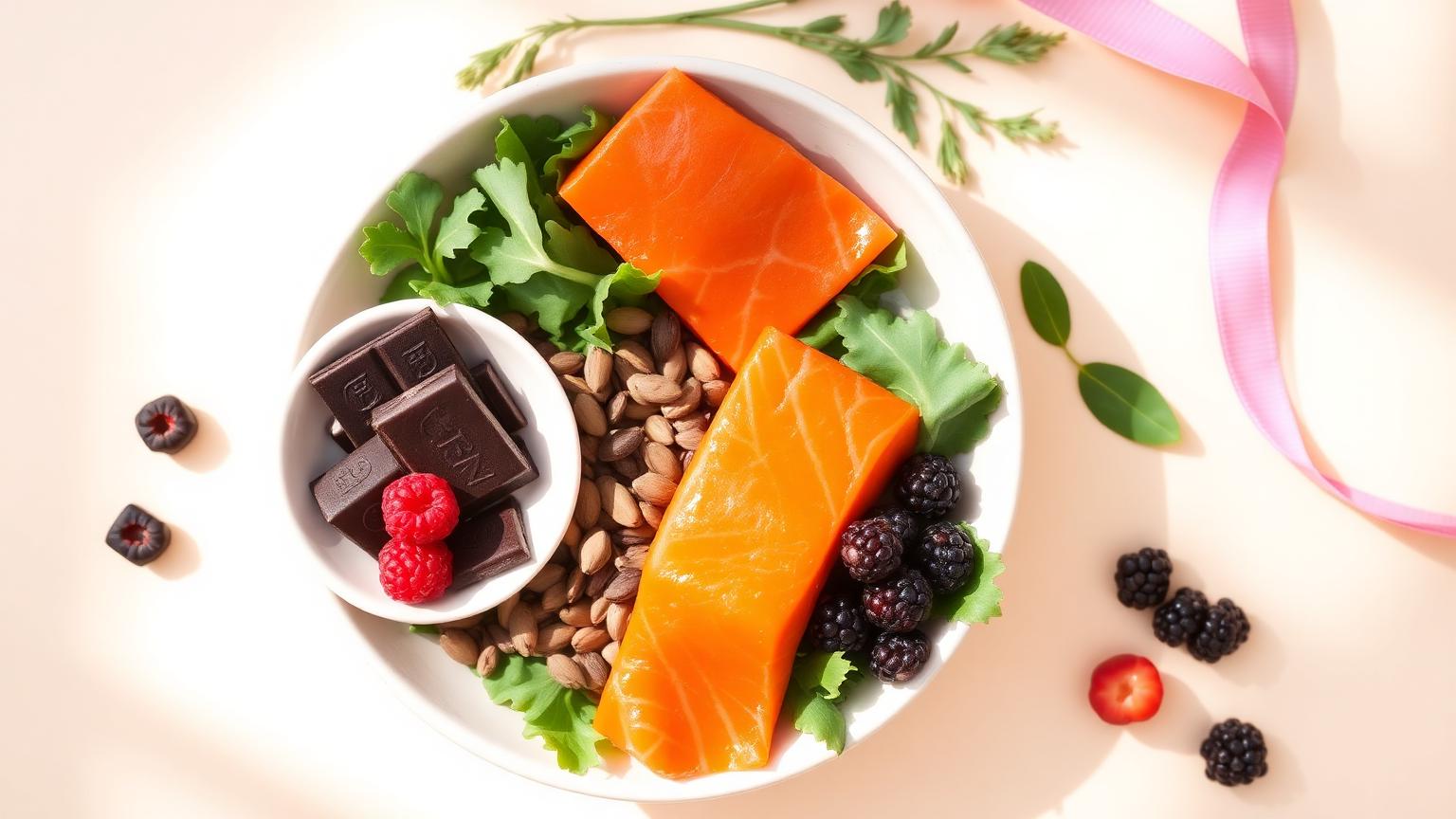
- A few squares of dark chocolate (70% or higher)
- Apple or banana with nut butter
- Oats with cinnamon and berries
- Roasted sweet potatoes
- Whole grains like quinoa, brown rice and whole-grain bread
The no-guilt approach: Plan for cravings instead of white-knuckling through them. Keep a treat you love on hand and enjoy it after a meal with protein and fiber. The PMS charity's eating plan also recommends small, frequent meals and low-glycemic complex carbs, which can keep you from getting ravenous.
Some women also add Sweet Balance to these food basics for cravings support in the luteal phase. It's a hormone-free formula made with vitamins, minerals and naturally derived ingredients.
5. Caffeine and PMS: Should You Cut Your Coffee?
The research on caffeine and PMS is mixed. Many health sources advise cutting back. UMass Memorial Health, for example, says caffeine can disrupt sleep and may cause breast tenderness. But a large prospective analysis from the Nurses' Health Study II found that caffeine intake was not associated with a higher risk of developing PMS.
So caffeine may not cause PMS. It can still make anxiety, jitters and poor sleep worse, and bad sleep makes mood dips and cravings harder to handle.
Practical moves:
- Taper, don't quit cold turkey. Sudden withdrawal can give you headaches you don't need right now.
- Set a cut-off time. Early afternoon works for many people.
- Watch the hidden sources. Energy drinks, soda, pre-workout and some chocolate add up.
Lower-caffeine swaps:
- Half-caf coffee
- Matcha, which typically has less caffeine than coffee
- Chai, or caffeine-free rooibos
- Ginger or peppermint tea
6. Alcohol Before Your Period: Why It Hits Harder
The evidence on alcohol points more clearly in one direction. A 2018 systematic review published in BMJ Open found that alcohol intake was associated with a moderately higher risk of PMS. The researchers suggested a meaningful share of PMS cases worldwide might be linked to drinking. They proposed that alcohol may alter sex hormone levels or affect mood chemicals such as serotonin. Keep in mind this shows a link, not proof that alcohol causes PMS.
Day to day, drinking alcohol before your period may:
- Dehydrate you, which can make bloating and headaches worse
- Break up your sleep, even if you fall asleep faster
- Deepen low moods. UMass Memorial notes that alcohol can make you feel depressed and that many drinks are high in sugar.
- Throw off your blood sugar and fuel cravings for salty, greasy food the next day
Mayo Clinic lists alcohol intolerance as a PMS symptom. If two glasses feel like four, you're not imagining it.
Swaps that still feel festive:
- Sparkling water with lime, grapefruit or muddled mint
- Mocktails with fresh juice and soda water
- Kombucha in moderation (watch the sugar)
- Tart cherry spritz: tart cherry juice, sparkling water and ice
Realistic guidance: If you drink, keep it light during the luteal phase. Alternate each drink with a glass of water and eat a proper meal first.
7. Other Foods That Make PMS Worse for Some Women
Fried and fatty ultra-processed foods
Fast food and fried snacks are heavy, salty and low in fiber. Some experts suggest a link with inflammation and cramp discomfort, but evidence specific to PMS is limited. Fish, olive oil, nuts and seeds are easy upgrades.
Dairy
Dairy is a true "it depends." Some women notice more bloating or an upset stomach, especially if they're sensitive to lactose. Others may benefit from the calcium. In a large Nurses' Health Study II analysis, women with high intakes of calcium and vitamin D from food had a lower risk of developing PMS. The highest vitamin D intake was linked to about a 41% lower risk. The picture isn't settled, though. A later study measuring blood vitamin D levels didn't find a clear link with PMS overall. Other research, including a study in college-aged women, has reported mixed results. If dairy bothers you, keep your calcium up with lactose-free options, calcium-set tofu or fortified plant milks.
Carbonated drinks and gassy foods
If bloating is your main issue, fizzy drinks add gas to an already full belly. Big servings of beans, broccoli, cabbage or cauliflower can do the same. These are healthy foods, so keep eating them. Just choose smaller, well-cooked portions in the days right before your period.
Red and processed meat in excess
Processed meats are salty, and lots of red meat can feel heavy. You still need iron, especially if your periods are heavy. Try poultry, fish, eggs, lentils, spinach and pumpkin seeds. Pair plant sources of iron with vitamin C to help your body absorb it.
Keep a simple symptom journal
For two or three cycles, write down what you ate, how you slept and how you felt. Patterns often show up quickly, and the notes are useful if you see a doctor.
8. PMS Diet Foods to Avoid vs. Swaps: Your Cheat Sheet
| Limit this | May worsen | Try instead |
|---|---|---|
| Chips, instant noodles | Bloating | Unsalted nuts, unsalted popcorn |
| Deli meats | Water retention | Roast chicken, eggs |
| Candy, pastries | Crashes, cravings | Dark chocolate, fruit |
| White bread | Energy dips | Whole grains, oats |
| Energy drinks | Anxiety, poor sleep | Matcha, rooibos |
| Wine, cocktails | Mood, headaches | Tart cherry spritz |
| Fried takeout | Sluggishness | Salmon, olive oil |
| Soda | Gas, bloating | Infused water |
Nutrients worth prioritizing: These come up often in discussions of PMS support. The research varies in quality, so think of them as nutrients to get enough of, not as cures.
- Magnesium: pumpkin seeds, almonds, spinach, dark chocolate. Clinical guidance summarized for physicians notes that calcium and magnesium have shown benefit in small trials, though larger trials are needed.
- Calcium: yogurt, fortified plant milk, calcium-set tofu, sardines. Higher calcium intake from food has been linked to lower PMS risk in a large cohort study.
- Vitamin B6: chickpeas, salmon, potatoes, bananas, poultry. One small trial found that magnesium plus vitamin B6 eased anxiety-related PMS symptoms compared with placebo.
- Omega-3s: salmon, sardines, chia seeds, walnuts.
- Fiber: oats, berries, legumes, whole grains. Fiber steadies blood sugar and keeps digestion moving.
- Potassium: bananas, potatoes, avocado, leafy greens. Potassium helps balance sodium.
9. How to Build a Pre-Period Eating Routine That Sticks
Start earlier than you think. Begin around ovulation or the start of the luteal phase. That's roughly one to two weeks before your period, not the day before.
Sample luteal-phase day of eating:
- Breakfast: Overnight oats with chia, berries, walnuts and a spoon of yogurt
- Snack: Apple or banana with almond butter
- Lunch: Quinoa bowl with salmon or chickpeas, spinach, roasted sweet potato and lemon-tahini dressing
- Afternoon: Matcha or half-caf, plus a handful of pumpkin seeds
- Dinner: Stir-fry with tofu or chicken, veggies, brown rice and low-sodium sauce
- Evening treat: Two or three squares of dark chocolate with rooibos or peppermint tea
Meal-prep tips for busy weeks:
- On the weekend your luteal phase starts, batch-cook one grain and one protein
- Pre-portion unsalted nuts and dark chocolate so snacks are grab-and-go
- Keep a "PMS drawer" at work with oats, nut butter packets and herbal tea
- Order takeout smart: sauce on the side, extra vegetables
Pair food with the basics. Protect your sleep, move in ways that feel good and lighten your calendar where you can.
Optional support: Some women add supplements to these habits. PMS SOS is designed as targeted PMS support, and Full Balance as a daily foundation. Both are hormone-free and made with vitamins, minerals and naturally derived ingredients. According to Feme, PMS SOS was evaluated in a small consumer test. Check the product page for exactly what was measured, and remember that results vary from person to person. If you're not sure where to start, Feme's hormone wellness quiz can help you find a fit.
10. When Diet Isn't Enough: Signs to Talk to a Doctor
Food helps, but it doesn't replace medical care. Book an appointment if you notice:
- Severe pain that over-the-counter pain relief doesn't help
- Symptoms that disrupt your work, studies or relationships
- Very heavy bleeding, large clots or bleeding between periods
- Signs of PMDD, which Cleveland Clinic describes as a severe form of PMS with serious mood changes one to two weeks before your period
- Depression, hopelessness or thoughts of self-harm. Seek help right away.
Diagnosing PMDD usually involves tracking your symptoms. The U.S. Office on Women's Health says a diagnosis requires five or more symptoms, including at least one related to mood. Your symptom journal can help here.
A doctor can also rule out endometriosis, PCOS, thyroid problems or anemia. These can look like "bad PMS" but need specific care.
Before adding supplements, check with your healthcare provider if you take medication, use hormonal birth control, or are pregnant or breastfeeding.
Supplement disclaimer: These statements have not been evaluated by the Food and Drug Administration. Feme products are dietary supplements and are not intended to diagnose, treat, cure or prevent any disease. Individual results vary.
FAQ
What foods make PMS worse?
The foods most often linked to worse PMS are salty processed foods, added sugar and refined carbs, caffeine, alcohol and greasy fried foods. For some women, dairy, fizzy drinks and big servings of gassy vegetables also add to bloating. Triggers vary from person to person, so track your meals and symptoms for a few cycles to find your own pattern.
Does salt really cause period bloating?
Salt doesn't cause period bloating on its own, but it can make it worse. In the luteal phase, hormone shifts may already make your body hold extra water, and lots of sodium adds to that. To feel less puffy, cut back on chips, deli meats and takeout sauces. Eating potassium-rich foods and drinking plenty of water may also help.
Should I stop drinking coffee before my period?
You don't necessarily need to quit. A large study found caffeine wasn't linked to developing PMS, but caffeine can worsen anxiety, breast tenderness and sleep for some women. In your luteal phase, try tapering gradually, stopping by early afternoon or switching to half-caf, matcha or herbal tea. Then see how you feel.
Is it bad to drink alcohol before your period?
It isn't off-limits, but it may hit harder. A 2018 systematic review linked alcohol to a higher risk of PMS. Alcohol can also dehydrate you, disrupt sleep, lower your mood and trigger cravings the next day. If you drink during your luteal phase, keep it light, alternate each drink with water and eat first. Or choose a festive mocktail instead.
Why do I crave sugar before my period, and what can I eat instead?
Hormone shifts in the luteal phase may change your appetite and how strongly your brain responds to sweet foods. Blood sugar swings can add to it. Instead of candy or pastries, try dark chocolate (70% or higher), fruit with nut butter, oats or sweet potatoes. Eating sweets with protein and fiber helps prevent the crash that leads to more cravings.
How long before my period should I change my diet?
Start around ovulation or at the beginning of your luteal phase, roughly one to two weeks before your period. That gives new habits time to work before symptoms peak. A cycle-tracking app or calendar reminder makes the timing easy. You don't need a perfect overhaul, just a few swaps you can keep up every cycle.