How to Boost Energy During the Luteal Phase: 9 Real Fixes
If the week or two before your period leaves you dragging, you're not imagining it, and you don't have to just put up with it. The short version of how to boost energy during the luteal phase is to find what's actually making you tired (hormones, heat, blood sugar, sleep or missing nutrients) and fix that specific thing. This guide pairs each of 9 fixes with the driver behind it, so you can choose the ones that fit how your own luteal phase fatigue shows up.
Key takeaways
- Luteal phase fatigue is real. Rising progesterone, a slightly higher body temperature, blood sugar swings and lighter sleep can all play a part.
- Steady meals, an earlier caffeine cutoff and a cool bedroom are the quickest wins for many women.
- Keep exercising, just adjust how hard you go.
- Magnesium, B vitamins, iron and vitamin D come up often in conversations about energy and cycles. Get iron tested before you supplement it.
- Exhaustion that lasts all month, very heavy bleeding or severe mood changes should be checked by a doctor.
The Short Answer: How to Boost Energy During the Luteal Phase
Steady your blood sugar, protect your sleep, keep your body cool, change your workouts instead of dropping them, cover the key nutrients and plan your workload around your energy. That's the whole strategy.
Once you understand what your body is doing in this phase, you can work with it instead of against it. Here are all 9 fixes at a glance:
- Build meals around protein, fiber and healthy fat
- Don't under-eat; add a satisfying snack
- Work with sweet cravings instead of fighting them
- Keep your bedroom cool and your bedding breathable
- Keep a steady sleep schedule, get morning light and limit alcohol
- Lower workout intensity instead of stopping
- Take 10-minute "movement snacks"
- Cover magnesium, B vitamins, iron and vitamin D
- Cycle-sync your workweek
Everyone's cycle is different, so test these and keep what helps. If your exhaustion is severe or comes on suddenly, talk to a healthcare provider.
Why You Feel So Tired Before Your Period
The luteal phase starts after ovulation and ends when your period begins. According to Cleveland Clinic, it usually lasts around two weeks, though the exact length varies from person to person.
Progesterone and tiredness. After ovulation, progesterone rises. Your body turns some of it into allopregnanolone, which acts on the brain's calming GABA-A receptors and has sedative effects. Most of that research comes from hormone therapy, so don't read too much into it. Still, it may help explain why some women feel slower or sleepier in this phase.
Heat. Your core body temperature also rises after ovulation. In one small sleep-lab study, women's core temperature during sleep was a few tenths of a degree higher in the luteal phase. A warmer body may sleep more lightly and find workouts harder.
Appetite, blood sugar and the late-phase drop. Hunger and cravings often increase. Near the end of the phase, estrogen and progesterone both fall. Together, these may affect mood and energy in the days before bleeding starts.
| Driver | What you may notice | Matching fixes |
|---|---|---|
| Rising progesterone | Calm, sleepy, foggy | 5, 7, 9 |
| Higher body temp | Restless sleep, sweaty workouts | 4, 6 |
| Blood sugar swings | Crashes, cravings | 1, 2, 3, 7 |
| Disrupted sleep | Groggy mornings | 4, 5 |
| Nutrient gaps | Ongoing fatigue | 8 |
For a deeper look at the hormones, read our full guide on why am I so tired before my period.
Eat for Steady Energy: Fixes for Blood Sugar and Cravings
Fix 1: Build every meal around protein, fiber and fat
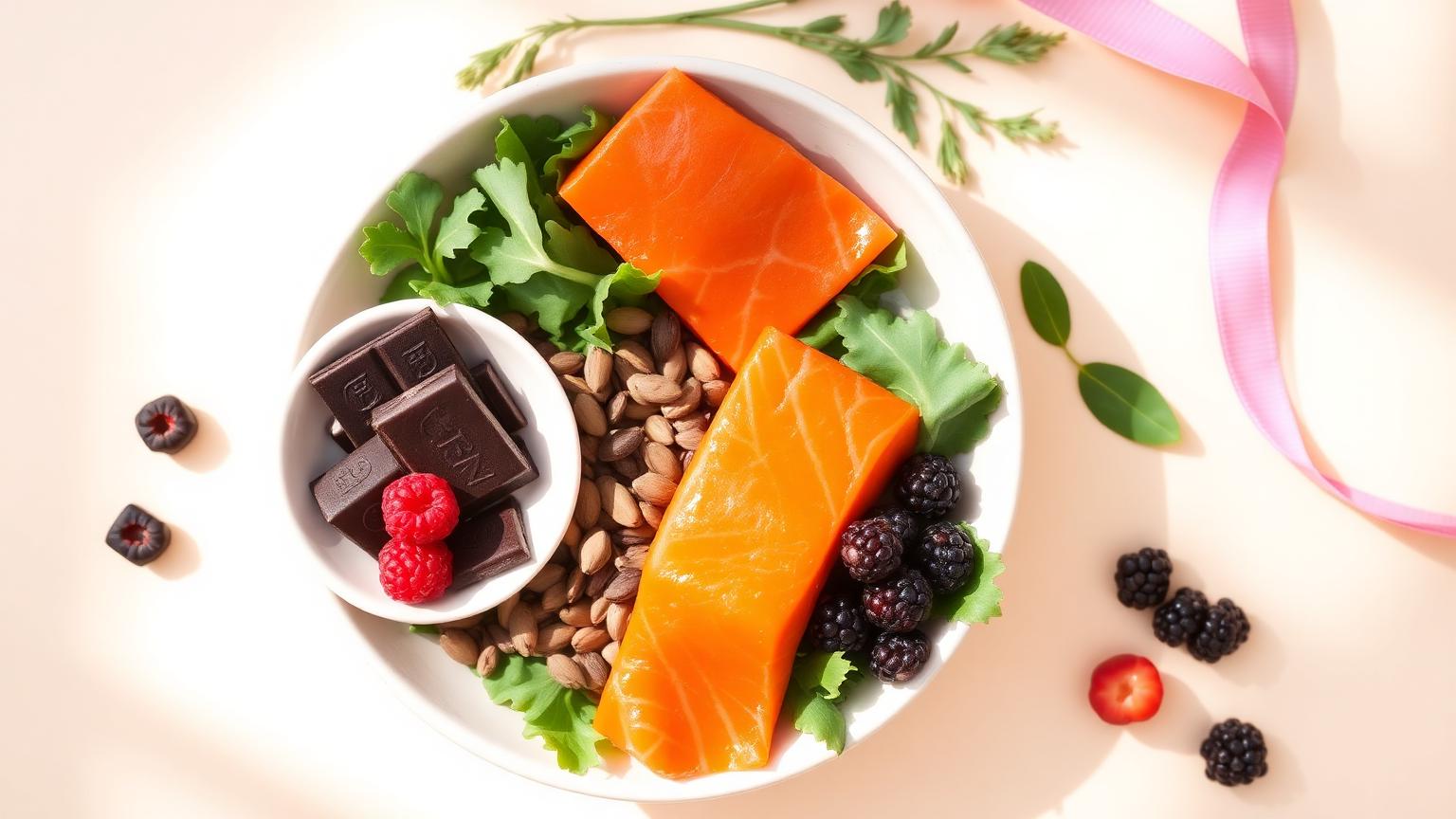
A plate of mostly refined carbs can give you a quick lift and then a crash. Protein, fiber and healthy fat slow digestion, which can make your energy steadier.
| Meal | Simple plate idea |
|---|---|
| Breakfast | Eggs, whole-grain toast, avocado |
| Lunch | Lentil bowl, greens, feta, olive oil |
| Snack | Greek yogurt, berries, walnuts |
| Dinner | Salmon, sweet potato, broccoli |
Fix 2: Don't under-eat
If you're hungrier in this phase, there may be a reason. In the same sleep-lab study, women burned more energy during sleep in the luteal phase than in the follicular phase. The difference is modest and varies between women. Still, adding one satisfying snack usually beats ignoring your hunger and then crashing at 4 p.m.
Fix 3: Work with sweet cravings, not against them
Cravings aren't a lack of willpower. Try these:
- Eat carbs with protein: an apple with peanut butter, or crackers with cheese.
- Keep a few squares of dark chocolate on hand.
- Freeze grapes or banana slices for something sweet that takes longer to eat.
- Eat regular meals so you don't get too hungry by evening.
Some women also use Sweet Balance, a hormone-free formula made with vitamins, minerals and naturally derived ingredients, designed for cycle-related cravings. It's optional, and results vary from person to person.
Caffeine timing matters more this week
Coffee can cover for a bad night, but late-day coffee can cause the next bad night, and the cycle repeats. In a sleep study published in the Journal of Clinical Sleep Medicine, a 400 mg dose of caffeine taken six hours before bed still cut total sleep by more than an hour. The researchers recommended avoiding substantial caffeine for at least six hours before bedtime. Your luteal sleep may already be lighter, so an earlier cutoff (around noon to 2 p.m.) can help. Some women also find caffeine makes jitteriness or breast tenderness worse before their period. If that's you, try switching to half-caf.
Protect Your Sleep When Progesterone and Heat Disrupt It
Good sleep is one of the simplest answers to how to boost energy during the luteal phase, but this is also when sleep tends to get lighter.
Fix 4: Cool your bedroom down
Your body needs to cool down slightly to fall asleep and stay asleep, and in this phase you start out a little warmer. Help it along:
- Lower the thermostat or use a fan.
- Choose breathable cotton, linen or bamboo sheets.
- Use layers you can kick off instead of one heavy duvet.
- Take a warm shower 60 to 90 minutes before bed. Your body cools afterward, which can make you sleepy.
Fix 5: Keep your rhythm steady
Go to bed and wake up at the same times every day, weekends included. Get outside in daylight within an hour of waking, which helps set your body clock. Be careful with that evening glass of wine. Alcohol can make you drowsy at first, but as your body processes it, sleep in the second half of the night tends to break up.
Power naps. If you need one, keep it to 10 to 20 minutes and take it before about 3 p.m. Set an alarm, and have a glass of water or step into daylight when you wake up to clear any grogginess.
Bedtime checklist for the last week of your cycle:
- Caffeine finished by early afternoon
- Alcohol skipped or limited to one drink with dinner
- Bedroom cool, dark and quiet
- Screens off or dimmed 30 to 60 minutes before bed
- Light snack if you're hungry (hunger can wake you up)
- Same lights-out time as last night
Luteal Phase Exercise That Energizes Instead of Drains
Fix 6: Lower the intensity instead of stopping
Movement can be a reliable way to lift low energy, so keep doing it and adjust how hard you go. Many women feel better with moderate strength training, brisk walks, Pilates or yoga than with all-out HIIT in this phase, especially late in the phase.
The research is mixed and varies from woman to woman. A review in Frontiers in Physiology notes that studies on core temperature, heart rate and perceived effort across the cycle don't all agree, and individual hormone levels may matter. Some research on exercising in the heat suggests core temperature can stay higher in the luteal phase even when workouts don't feel harder.
Fix 7: Take movement "snacks"
A 10-minute walk after meals may help with blood sugar after eating and can lift your energy without wearing you out. Stairs, a lap around the block or a quick stretch between meetings all count.
Go by feel, and drink up. If your usual pace feels harder, trust that and ease off. Some research suggests sweating may differ in the luteal phase, so drink water before and after exercise, and add electrolytes for sweaty sessions.
| Day | Early luteal | Late luteal |
|---|---|---|
| Mon | Strength, moderate loads | Lighter strength |
| Tue | Brisk 30-min walk | 20-min walk |
| Wed | Pilates | Gentle yoga |
| Thu | Strength + short intervals | Mobility + walk |
| Fri | Rest or easy walk | Rest |
| Sat | Hike or dance class | Easy swim or stroll |
| Sun | Yoga | Stretch + nap optional |
Cover the Nutrients Linked to Energy and Mood
Fix 8: Focus on four nutrients
Magnesium, B vitamins (especially B6 and B12), iron and vitamin D come up often in research on energy and cycle wellbeing. For example, Healthline reports that some small studies suggest magnesium plus vitamin B6 may ease certain PMS symptoms.
| Nutrient | Why it's discussed | Food sources |
|---|---|---|
| Magnesium | Muscles, nerves, sleep | Pumpkin seeds, spinach, almonds |
| B6 | Mood chemicals | Chickpeas, salmon, bananas |
| B12 | Energy metabolism | Eggs, dairy, fish |
| Iron | Oxygen transport | Red meat, lentils, tofu |
| Vitamin D | Mood, muscle function | Sunlight, oily fish, fortified milk |
Eat plant sources of iron with vitamin C, such as peppers, citrus or strawberries, to help your body absorb it.
A note on iron. Heavy periods can drain your iron. Mayo Clinic lists fatigue and shortness of breath as symptoms of heavy menstrual bleeding and anemia as a possible complication. Ask your doctor for a blood test, ideally including ferritin, before you take iron. Too much iron can cause problems too.
Where a daily supplement fits
Food comes first. If you want extra support, Feme's Full Balance is a daily foundation formula: hormone-free, made with vitamins, minerals and naturally derived ingredients, and designed to support you through all four phases of your cycle. Some women also take Mojo, a hormone-free energy and desire formula, in the luteal phase. Results vary from person to person.
These statements are not intended to diagnose, treat, cure or prevent any disease. Dietary supplements are not a substitute for medical care. Consult your healthcare provider before starting any supplement, especially if you take medication, use birth control, are pregnant or have a health condition.
Plan Your Week Around Your Energy, Not Against It
Fix 9: Cycle-sync your workweek
You can't always control your calendar, but you can usually adjust it a little. In the luteal phase, many women find focused solo work easier than high-energy social work.
- Good luteal-phase tasks: editing, analysis, budgets, admin, finishing projects
- Save for higher-energy phases when you can: launches, big pitches, networking events, brainstorming marathons
- Track for 2 to 3 cycles: rate your energy from 1 to 5 each day in a cycle app, alongside sleep and cravings. Your own patterns matter more than the textbook average.
- Build buffers: batch-cook on a good-energy weekend, cancel one optional commitment and say "not this week" without guilt.
Dips in libido and motivation belong to the same energy picture. Feeling less interested in sex or in starting new things before your period is common and nothing to be ashamed of. Fixes 1 through 8 support your overall energy, which may help with desire too. If low libido bothers you or lasts all month, bring it up with your provider.
A Sample Low-Energy Luteal Day, Start to Finish
Here's how the 9 fixes fit into one real day.
| Time | What to do | Fix |
|---|---|---|
| 7:00 | Wake, daylight, water | 5 |
| 7:30 | Eggs, toast, berries; coffee | 1 |
| 7:45 | Optional: Full Balance with breakfast | 8 |
| 9:00 | Deep-focus work block | 9 |
| 12:30 | Protein-rich lunch | 1 |
| 12:45 | 10-minute walk; last caffeine | 7 |
| 3:30 | Snack: apple + nut butter | 2, 3 |
| 5:30 | Pilates or moderate strength | 6 |
| 7:00 | Balanced dinner | 1, 8 |
| 9:30 | Cool room, screens dim | 4, 5 |
If you use Mojo, take it as the label directs. Both supplements are optional, and individual results vary.
Quick swaps for busy days:
- Desk lunch: pre-made grain bowl with chicken or beans, plus a 5-minute stair walk
- Travel day: pack nuts, jerky or roasted chickpeas, drink extra water and walk the terminal
- Back-to-back meetings: hold one walking call
- Late night ahead: a 15-minute nap before 3 p.m. and no caffeine after lunch
When Luteal Phase Fatigue Isn't Just Your Cycle
Cycle-related tiredness usually eases once your period starts. See a healthcare provider if you notice any of these:
- Exhaustion that lasts all month, not just before your period
- Severe mood changes, hopelessness or thoughts of self-harm (get help right away)
- Very heavy bleeding, such as soaking a pad or tampon every hour
- Dizziness, a racing heart or shortness of breath
- Loud snoring, gasping at night or unrefreshing sleep despite enough hours
Conditions worth asking about include anemia, thyroid problems, sleep disorders and premenstrual dysphoric disorder (PMDD). PMDD is more than "bad PMS." An Oxford-led review estimated that about 1.6% of women and girls meet strict diagnostic criteria. Low energy is one of its possible symptoms, according to Focus.
You deserve real answers. Pushing through shouldn't be your default.
FAQ
Why am I so tired during my luteal phase?
Several things may combine. Rising progesterone can have a calming, sleepy effect for some women. Your core body temperature rises slightly, which can make sleep lighter. Appetite and blood sugar swings can lead to energy crashes. Near the end of the phase, estrogen and progesterone both drop, which may affect mood and energy. Most women notice some mix of these, not all of them.
Does progesterone make you tired and sleepy?
It may for some women. Your body converts progesterone into allopregnanolone, which acts on the brain's calming GABA-A receptors and has sedative effects. Much of that research comes from hormone therapy, not natural cycles, so it shouldn't be overstated. Progesterone also raises body temperature, which can disrupt sleep, so it may make you drowsy and still leave you less rested.
What should I eat to boost energy before my period?
Build meals around protein, fiber and healthy fat, such as eggs with whole-grain toast, a lentil bowl, or salmon with sweet potato. Don't skip meals, and add a snack if you're hungrier, since energy needs may rise slightly in this phase. Include magnesium-rich seeds and leafy greens, iron-rich foods paired with vitamin C, and B-vitamin sources such as eggs, fish and chickpeas.
Is it OK to work out hard during the luteal phase?
Yes, if you feel good. There's no rule against intense training. Some women find hard efforts feel tougher because of higher body temperature and heavier sweating, and research suggests this varies a lot between women. Go by perceived effort, drink plenty of water, add electrolytes for sweaty sessions, and switch to moderate strength work, Pilates or walks on days when your energy dips.
Which vitamins help with low energy before your period?
Magnesium, vitamin B6, vitamin B12, iron and vitamin D are the nutrients most often discussed for energy and cycle wellbeing. Some small studies suggest magnesium plus B6 may help with PMS symptoms. Get iron tested before supplementing it, especially if your periods are heavy. Always check with your provider first if you take medication or use birth control.
How long does luteal phase fatigue usually last?
It's usually worst in the last several days before your period and often eases once bleeding starts. Because luteal phase length varies, so does the timing. Tracking your energy for two or three cycles will show your own pattern. If fatigue continues well into your period or lasts all month, see a doctor.