What to Eat During Each Menstrual Phase: Chart and Food Guide
Maybe you crave chocolate before your period, get wiped out on day two, and somehow have loads of energy mid-cycle. If so, this what to eat during each menstrual phase chart and guide is for you. Plenty of "cycle syncing" advice stops at "eat seeds." This guide goes further. For each phase, it lists common symptoms, nutrients that may help, and real foods you can buy this week. It also tells you plainly where the science is solid and where it's mostly hype.
Feeling bad every month is common. That doesn't mean you just have to live with it, and food is one of the simplest tools you have to start feeling better.
Key takeaways
- Menstrual phase: Focus on iron, vitamin C, omega-3s and warm, easy meals.
- Follicular phase: Eat fresh and light, with B vitamins, protein, fiber and fermented foods.
- Ovulation phase: Go for fiber, zinc and colorful, antioxidant-rich produce.
- Luteal phase: Keep your blood sugar steady with complex carbs, protein, magnesium and calcium.
- Science check: Calcium for PMS and iron for heavy periods have the best support. Strict seed cycling doesn't.
- Red flags: Severe pain, very heavy bleeding or mood changes that disrupt your life call for a doctor, not just a new grocery list.
The Quick Answer: What to Eat During Each Menstrual Phase (Chart)
The day ranges below assume a textbook 28-day cycle. Real cycles vary, and many healthy cycles are shorter or longer. Treat the phases as estimates, and track your own cycle in an app or journal for a more accurate picture.
Table 1: Phases, symptoms and nutrients
| Phase | Days (28-day cycle) | Common symptoms | Key nutrients |
|---|---|---|---|
| Menstrual | 1–5 | Cramps, fatigue, low mood | Iron, vitamin C, omega-3s |
| Follicular | 6–13 | Rising energy, better mood | B vitamins, protein, fiber |
| Ovulation | 14–16 | Peak energy, higher libido | Fiber, zinc, vitamin E |
| Luteal | 17–28 | Cravings, bloating, irritability | Magnesium, calcium, B6 |
Table 2: Top foods and what to go easy on
| Phase | Top foods | Go easy on |
|---|---|---|
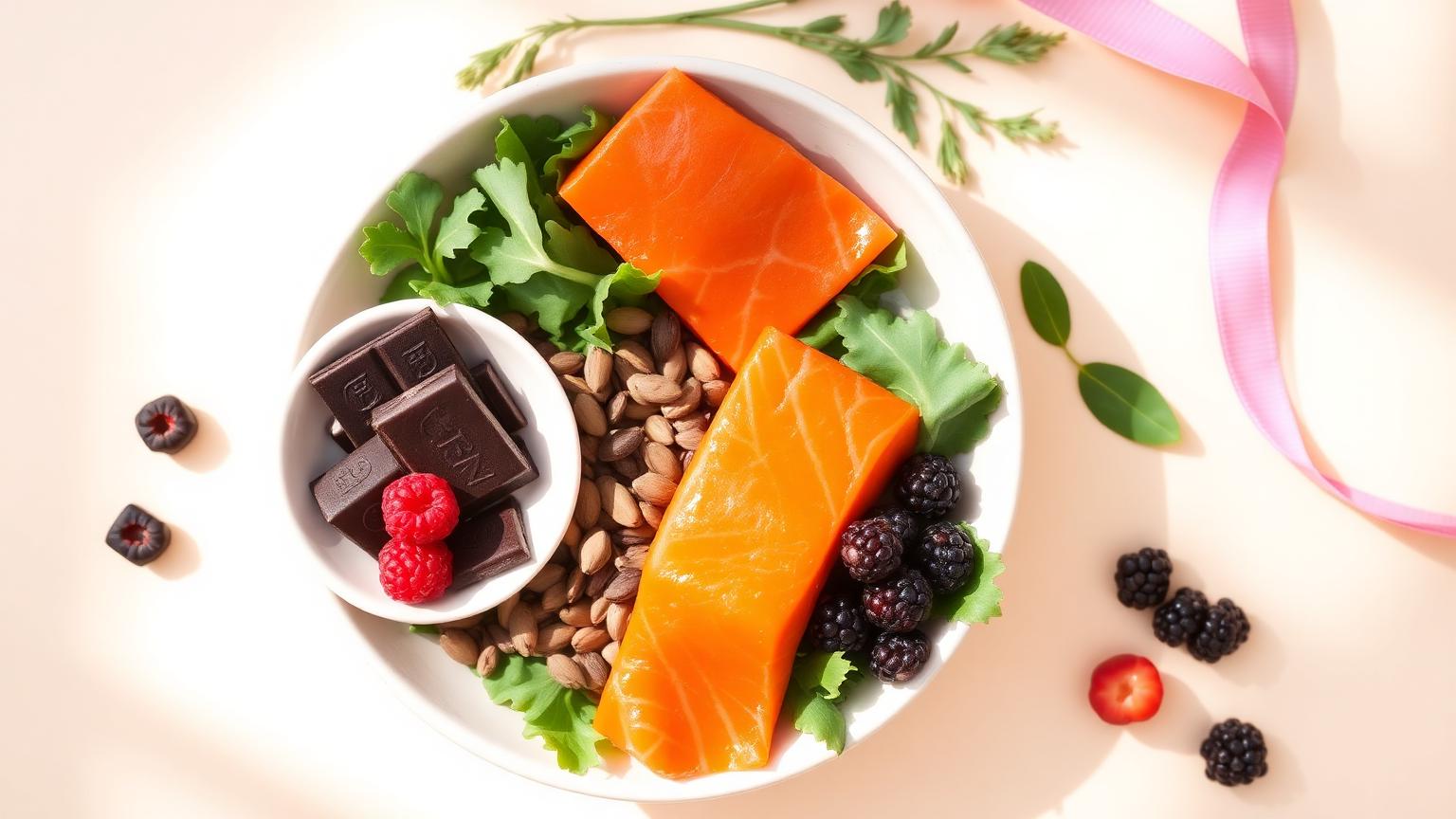
| Menstrual | Lentils, salmon, ginger, citrus | Excess salt, alcohol |
| Follicular | Eggs, oats, kimchi, berries | Ultra-processed snacks |
| Ovulation | Broccoli, quinoa, pumpkin seeds | Very salty takeout |
| Luteal | Sweet potato, yogurt, chickpeas | Sugary snacks, excess caffeine |
Use this chart as a flexible framework, not a strict diet or a medical protocol. If a food on the "go easy" list doesn't bother you, you don't need to cut it.
How Cycle Syncing Your Food Works (and What the Science Says)
The hormone basics, in plain language
Your cycle runs on two main hormones, estrogen and progesterone:
- Menstrual phase: Both are low, which is part of why you may feel flat.
- Follicular phase: Estrogen climbs steadily.
- Ovulation: Estrogen peaks, along with a surge of luteinizing hormone.
- Luteal phase: Progesterone rises, then both hormones fall sharply before your next period. That drop is when PMS often shows up.
These shifts affect appetite. Research suggests that energy intake tends to rise during the luteal phase, so the extra hunger before your period isn't in your head.
What's reasonably well supported
- Iron during bleeding. Monthly blood loss uses up iron, and heavy menstrual bleeding is a leading cause of iron deficiency in women.
- Calcium for PMS. In an early trial, many women reported fewer symptoms while taking calcium, including less negative mood and water retention. A later double-blind trial found that daily calcium supplements reduced PMS symptoms, especially mood-related ones.
- Magnesium, with caveats. Some studies suggest magnesium may help with PMS, but the evidence is conflicting. It's promising, but not settled.
- Vitamin B6. A meta-analysis summarized by GPnotebook concluded that low doses are likely to improve PMS symptoms, and it advised keeping doses low.
- Overall eating pattern. A recent systematic review found that eating more fruits and vegetables may lower the risk of painful periods, while eating more inflammatory, Western-style foods may raise it.
Where the evidence is thin
Strict phase-by-phase "hormone balancing" claims haven't been well tested. An overview from News-Medical notes that controlled trials of structured cycle-synced diets remain scarce. Instead of rigid rules, it points to adequate overall nutrition, anti-inflammatory foods, enough micronutrients and steady blood sugar.
Seed cycling fares worse. Examine found no controlled trials on seed cycling.
In short, food can noticeably support how you feel across your cycle, but it won't flip a hormone switch on command. And if your symptoms are severe, you deserve more than a smoothie recipe.
Menstrual Phase Foods (Days 1 to 5): Replenish and Warm Up
Energy is usually at its lowest during your period. Aim to replace what you lose and calm inflammation where you can.
| Nutrient | Why it matters | Food sources |
|---|---|---|
| Iron | Replaces blood loss | Lentils, spinach, red meat, tofu |
| Vitamin C | Helps absorb plant iron | Citrus, kiwi, bell peppers |
| Omega-3s | May ease cramp pain | Salmon, sardines, walnuts |
| Magnesium | Supports muscle relaxation | Dark chocolate, pumpkin seeds |
| Fluids | Help with fatigue and bloating | Water, ginger tea, soups |
Why anti-inflammatory foods may help with cramps. Cramps are driven partly by prostaglandins, compounds that make the uterus contract. Some women find that leaning into anti-inflammatory foods takes the edge off.
- Omega-3s: A meta-analysis linked regular omega-3 intake to less period pain.
- Ginger: Pooled studies suggest ginger worked better than placebo and may work about as well as common pain relievers for period pain, though the studies were small.
Results vary from person to person, but a mug of fresh ginger tea is an easy experiment.
Go easy on: Excess salt, alcohol and large amounts of caffeine, if you notice they make your bloating or cramps worse.
Mini meal ideas for low-energy days:
- Red lentil soup with a squeeze of lemon
- Salmon, rice and spinach in a single sheet-pan dinner
- Tofu and bok choy stir-fry with ginger and garlic
- Oatmeal topped with walnuts and orange segments
- Two squares of dark chocolate with a mug of ginger tea
Follicular Phase Foods (Days 6 to 13): Fresh, Light and Energizing
As estrogen rises, many women feel brighter, more social and more motivated. That makes this a good window to batch-cook for the rest of the month or try a new recipe.
| Nutrient | Role | Food sources |
|---|---|---|
| B vitamins | Energy metabolism | Eggs, oats, leafy greens |
| Lean protein | Steady energy, fullness | Eggs, chicken, tofu |
| Fiber | Gut health, regularity | Broccoli, oats, sprouts |
| Probiotics | Gut health | Kimchi, kefir, yogurt |
| Antioxidants | Cell protection | Berries, citrus |
Fermented foods like kimchi and kefir may support a healthy gut. They're also an easy way to add flavor. Kimchi can be salty, so look for lower-sodium versions.
Simple 1-day sample menu:
- Breakfast: Overnight oats with kefir, chia and blueberries
- Lunch: Big leafy-green salad with eggs, sprouts, avocado and citrus dressing
- Snack: Orange slices and a handful of almonds
- Dinner: Chicken or tofu with roasted broccoli, brown rice and a side of kimchi
Ovulation Phase Foods (Days 14 to 16): Fiber, Antioxidants and Zinc
Around ovulation, estrogen peaks. Many women notice their highest energy, confidence and libido of the month. Lighter, colorful meals and plenty of water fit this phase well.
| Nutrient | Role | Food sources |
|---|---|---|
| Fiber | May support estrogen clearance | Cruciferous veggies, quinoa |
| Zinc | Reproductive health | Pumpkin seeds, chickpeas |
| Antioxidants | Cell protection | Tomatoes, berries, peppers |
| Vitamin E | Antioxidant support | Almonds, sunflower seeds |
A note on desire and energy: Some women notice a natural rise in libido and social energy around ovulation, while others feel little difference. Both are normal. If your desire or energy feels persistently low all month, mention it to your healthcare provider.
Easy ovulation-phase meals:
- Quinoa bowl with roasted cauliflower, cherry tomatoes and tahini
- Bell pepper strips with hummus and a sprinkle of pumpkin seeds
- Berry and spinach smoothie with almond butter
- Grilled fish with a tomato, cucumber and herb salad
- Sparkling water with lemon to help you stay hydrated
Luteal Phase Diet (Days 17 to 28): Steady Blood Sugar and Craving Control
This is the phase most people want help with. Progesterone rises and then drops, appetite climbs, and cravings, bloating and irritability can creep in. A luteal phase diet built around complex carbs, protein and key minerals may help you feel more even.
| Nutrient | Why it helps | Food sources |
|---|---|---|
| Complex carbs | Steadier blood sugar | Sweet potato, brown rice |
| Protein | Curbs energy crashes | Chickpeas, yogurt, eggs |
| Magnesium | Possible PMS support | Leafy greens, dark chocolate |
| Calcium | Studied for PMS mood | Yogurt, tofu, fortified milk |
| Vitamin B6 | Mood-related symptoms | Bananas, chickpeas, sunflower seeds |
Why sugar cravings hit and what to do instead
Your body may need slightly more energy in the luteal phase, and mood dips can make fast sugar feel extra comforting. The fix isn't willpower. It's planning ahead.
Pair carbs with protein or fat for steadier energy instead of a spike and crash. Practical swaps:
- Candy bar → dark chocolate squares with almonds
- Pastry → Greek yogurt with banana and cinnamon
- Soda → sparkling water with frozen berries
- Cookies → baked sweet potato rounds with nut butter
Bloating tips
- Cut back on salty foods. Packaged soups, chips and takeout are common culprits.
- Eat potassium-rich foods. Bananas, sweet potatoes, avocado and leafy greens help balance sodium.
- Keep drinking fluids, even when you feel puffy. Herbal teas count.
Snack list for late-afternoon slumps:
- Roasted chickpeas
- Apple slices with peanut butter
- Yogurt topped with sunflower seeds
- Half a sweet potato with a little cinnamon
- Trail mix made with dark chocolate, pumpkin seeds and almonds
- Hard-boiled eggs with whole-grain crackers
A Week-by-Week Cycle Syncing Grocery List
Screenshot this list, print it, or share it with a friend who also dreads PMS week.
Staples for all phases (buy every week)
- Leafy greens such as spinach and kale
- Oats and brown rice
- Eggs, tofu or Greek yogurt
- Canned lentils and chickpeas
- Frozen berries
- Nuts and seeds such as almonds, pumpkin seeds and sunflower seeds
- Citrus fruit
- Fresh ginger and herbal teas
Menstrual week, add: Salmon or sardines, lean red meat or extra tofu, soup ingredients, dark chocolate
Follicular week, add: Kimchi, kefir, broccoli, sprouts, fresh berries
Ovulation week, add: Quinoa, tomatoes, bell peppers, cauliflower
Luteal week, add: Sweet potatoes, bananas, avocado, extra yogurt, sunflower seeds
Budget and busy-schedule tips:
- Batch-cook in the follicular phase, when energy is higher, and freeze portions for your period and late luteal days.
- Frozen produce is usually frozen soon after harvest and often costs less than fresh.
- Canned legumes are cheap, quick sources of protein, fiber and iron. Rinse them to reduce sodium.
- Cook once, eat twice: A pot of lentil soup or a tray of roasted sweet potatoes covers several meals.
Where Supplements Fit in a Cycle-Synced Routine
Food comes first. Supplements are meant to complement a balanced diet, not replace it. Still, some women find it hard to get enough magnesium, calcium or B vitamins from food alone, especially during busy weeks or when their appetite is unpredictable.
Feme makes supplements it describes as hormone-free and built around this same four-phase idea, using vitamins, minerals and naturally derived ingredients:
- Full Balance: A daily foundation formula for everyday cycle support
- PMS SOS: Targeted support for the premenstrual days
- Sweet Balance: Designed for luteal-phase sugar cravings
- Mojo: An energy and desire formula
If a brand cites consumer testing, keep in mind that a consumer test is not a clinical trial, and individual results vary. If you're not sure where to start, the brand's hormone wellness quiz suggests a starting point based on your symptoms.
These products are dietary supplements. They are not intended to diagnose, treat, cure or prevent any disease. Talk to your healthcare provider before starting any supplement, especially if you're pregnant, breastfeeding, taking medication or using hormonal birth control.
When Food Isn't Enough: Signs to Talk to a Doctor
Better nutrition can make a real difference, but some symptoms need medical attention. Book an appointment if you notice:
- Severe period pain that pain relievers don't touch, or that keeps you home from work or school
- Very heavy bleeding, such as soaking through a pad or tampon every hour or two, or passing clots the size of a quarter or larger
- Signs of anemia, such as fatigue, dizziness, shortness of breath or pale skin
- Irregular, missed or very unpredictable periods
- Mood symptoms before your period that seriously disrupt your relationships, work or sense of safety
A doctor may want to check for conditions such as:
- PMDD: A severe, mood-focused form of PMS
- Endometriosis: Estimated to affect roughly one in 10 women of reproductive age
- PCOS: A common cause of irregular cycles
- Iron deficiency anemia: Often linked to heavy periods
This guide can't diagnose any of these, but it can help you speak up. Discomfort that takes over your life isn't something you should have to push through, and you deserve real answers.
Tip: Bring your cycle-tracking notes to the appointment. Include your period dates, how heavy the flow was, your pain levels, mood changes and anything that helped. Specific notes help your doctor spot patterns faster.
FAQ
Does eating for your menstrual cycle actually work?
Partly. Appetite and energy needs do shift across the cycle. Some nutrients, such as calcium, iron and possibly magnesium and vitamin B6, have research behind them for PMS or period-related symptoms. Strict phase-by-phase diets haven't been well tested, though. Think of cycle syncing as a helpful framework for eating well overall, not a precise hormone-control system.
What should I eat during my period to reduce cramps and bloating?
Try anti-inflammatory foods like salmon, walnuts and leafy greens, plus ginger tea, which small studies suggest may ease period pain. Add iron-rich lentils or lean meat with vitamin C from citrus. Potassium-rich bananas and plenty of fluids can help with bloating, and cutting back on salty, processed foods and alcohol helps some women feel less puffy.
Why do I crave sugar before my period, and what can I eat instead?
Energy needs tend to rise in the luteal phase, and falling hormones can affect mood, which makes quick sugar more tempting. Instead of fighting cravings, plan for them. Pair something sweet with protein or fat, such as dark chocolate with almonds, yogurt with banana, or apple slices with peanut butter, for steadier energy.
What are the best foods for the luteal phase?
Choose complex carbs like sweet potatoes and brown rice, protein such as chickpeas, eggs and yogurt, and foods rich in magnesium and calcium, like leafy greens, tofu and dark chocolate. Bananas and sunflower seeds add vitamin B6. Together, these foods help keep blood sugar steady, which may make cravings, fatigue and mood swings easier to manage.
Is seed cycling backed by science?
Not really. Seed cycling means eating flax and pumpkin seeds in the first half of your cycle and sesame and sunflower seeds in the second. No controlled trials show that it balances hormones. Seeds are still nutritious, with fiber, zinc, magnesium and healthy fats, so eating them regularly is a good idea. Just don't expect a hormonal reset.
How do I cycle sync my diet if my periods are irregular or I'm on birth control?
Many types of hormonal birth control suppress your natural hormone swings, and irregular cycles make phases hard to predict. Instead of following a calendar, eat for your symptoms. Use the menstrual-phase foods while you're bleeding and the luteal-phase strategies when cravings or bloating show up. Irregular periods are also worth discussing with your doctor.