Cycle Syncing Supplements for Women Over 35: What Changes
Your cycle in your late 30s isn't the same as it was at 25, and it isn't menopause either. If you're looking into cycle syncing supplements for women over 35, you've probably noticed something changing: PMS that hits harder, a period that turns up a few days early, or a luteal phase that drains you. This guide walks through those changes phase by phase. It covers how to adjust a hormone-free supplement routine to fit them, and when a doctor is a better next step than another supplement.
Key takeaways
- Cycle syncing still works as a framework after 35. You'll just need to base it on your real phase lengths, not a textbook 28-day cycle.
- Research suggests the follicular phase often gets shorter with age, and cycles can vary more from month to month.
- PMS can get worse in the late 30s and 40s, especially if your mood is sensitive to hormone shifts.
- Hormone-free supplements made with vitamins, minerals and naturally derived ingredients are one way to support your cycle. They don't treat any condition.
- Heavy bleeding, bleeding between periods, severe pain or PMDD-level mood symptoms need a healthcare provider.
The Short Answer: Do Cycle Syncing Supplements for Women Over 35 Still Make Sense?
Yes, for many women. Cycle syncing means matching food, movement, rest and supplements to the phase of your cycle you're in. That idea still holds as long as you have a cycle. What changes is how predictable the phases are.
Here's what tends to shift. Progesterone comes from the corpus luteum after you ovulate. When ovulation becomes less regular, progesterone can fall before estrogen does. Cycles may get shorter or vary more, and for some women PMS gets more intense. A routine built for your mid-20s may need updating.
Hormone-free supplements are one option for support. They aren't a treatment and they don't replace medical care. Worse symptoms are also not something you have to put up with. Track them, adjust your routine, and talk to a healthcare provider if changes are severe or sudden.
Why Your Cycle Feels Different in Your Late 30s
Perimenopause is the transition before your periods stop for good, and it doesn't start overnight at 50. According to the Mayo Clinic, many women notice signs in their 40s, but some notice changes as early as their mid-30s. Cleveland Clinic notes that you can have symptoms up to a decade before menopause. Menopause itself typically arrives in the early 50s on average.
Hormones don't fade smoothly during perimenopause. Estrogen rises and falls, periods can get longer or shorter, and some cycles may happen without ovulation.
Common perimenopause cycle changes
| Change | What you may notice | Why it may happen |
|---|---|---|
| Shorter follicular phase | Period arrives earlier | Ovarian aging |
| Variable cycle length | Less predictable timing | Irregular ovulation |
| Flow changes | Heavier or lighter periods | Shifting estrogen |
| Sleep changes | Restless nights | Hormone fluctuations |
| Stronger PMS | Mood dips, bloating | Estrogen–progesterone shifts |
Researchers describe a short follicular phase as an early clinical feature of ovarian aging. Mayo Clinic also notes that sleep can change during perimenopause even without hot flashes or night sweats.
Why PMS can get worse in your 30s
You're not imagining it. The U.S. Office on Women's Health says PMS symptoms may get worse in your late 30s or 40s as you approach menopause, especially if your mood is sensitive to changing hormone levels. PMS is also common in women in their 30s.
Hormones are usually only part of the picture. A few other things often add up at this age:
- Stress load: work, caregiving and a packed calendar
- Sleep debt: less recovery time between busy days
- Lifestyle shifts: less movement, more caffeine or alcohol, irregular meals
- Ovulation changes: cycles with less progesterone to balance estrogen
Note: experiences vary widely, and many of these signs overlap with other conditions. Heavy bleeding, for example, has many possible causes. Use this section to understand what may be going on, not to diagnose yourself.
Cycle Syncing After 35: How Each Phase Can Change
Most cycle syncing advice assumes a 28-day cycle with two equal halves. Real cycles rarely look like that, and the gap grows with age.
- Pooled cohort analysis: in a pooled analysis of three cohorts, women over 35 who had never given birth had slightly shorter follicular phases than younger women (17.3 vs 19.3 days). They also had shorter cycles and were more likely to have more than three days of variation between cycles.
- Japanese population study: a large Japanese study found the follicular phase shortened with age, particularly in women in their 40s. The luteal phase changed relatively little.
Put simply, the first half of your cycle tends to shrink while the second half stays more stable.
| Phase | What may change after 35 | Where to focus |
|---|---|---|
| Menstrual | Heavier flow, fatigue | Iron-rich foods, rest |
| Follicular | Shorter energy window | Plan big tasks early |
| Ovulatory | Desire and energy vary more | Stay flexible |
| Luteal | Mood, bloating, cravings, sleep | Steady meals, wind-down |
Menstrual phase
If your flow is getting heavier, focus on iron-rich foods like lean red meat, lentils and leafy greens, plus vitamin C to help absorption. Gentle movement such as walking or yoga may feel better than intense training. Rest counts as part of the plan.
Follicular phase
This is often your best energy window, and after 35 it may be shorter. When you can, book demanding projects, hard workouts and social plans for these days.
Ovulatory phase
Desire and energy may swing more than they used to, and some cycles may not include ovulation at all. Treat this phase as a likely energy boost rather than a guaranteed one.
Luteal phase
Many women over 35 notice the biggest changes here: lower mood, bloating, sugar cravings and worse sleep. This is where most of your support should go.
Practical tip: track your cycle for two to three months. Note the first day of bleeding, any ovulation signs you track, and your daily symptoms. Then build your routine around your actual phase lengths, not an assumed 28 days.
What to Look for in Cycle Syncing Supplements for Women Over 35
Women choose hormone-free supplements for different reasons:
- Some want everyday nutritional support without adding hormones.
- Some aren't ready for hormonal treatment.
- Some simply prefer vitamins, minerals and naturally derived ingredients.
Hormone-free isn't always the right choice, though. If symptoms are severe, bleeding is heavy, or you're clearly heading into menopause, a clinician may suggest hormonal or other medical options that work better. It's fine to explore both.
Nutrients commonly used for cycle support
These ingredients often appear in cycle support formulas. Research is mixed and often small, so expect gentle support, not a fix:
- Magnesium: In one small randomized trial, PMS scores went down in all groups. The largest drop was in women taking magnesium plus vitamin B6.
- B vitamins, including B6: Often paired with magnesium, they play a role in energy metabolism.
- Vitamin D and calcium: A Nurses' Health Study analysis linked higher intake of calcium and vitamin D, mainly from food, to a lower risk of developing PMS. This was an observational finding, not proof of cause and effect.
- Zinc: A mineral often included in women's wellness formulas.
- Naturally derived botanicals: Quality and dosing vary a lot, so look for clear labels.
Quality checklist
- Transparent labels: Every ingredient and its amount is listed.
- Clear dosing: You know how much to take and when.
- Third-party testing: Programs from USP, NSF and ConsumerLab.com test finished products for identity, strength and purity.
- No proprietary-blend guesswork: "Blends" can hide how much of each ingredient you're actually getting.
- Realistic claims: Skip anything that promises to "fix" or "balance" your hormones overnight.
Check for interactions. Some botanicals can interact with medications or birth control. St. John's wort is the best-known example, since it can make hormonal contraception less effective. Show the label to your doctor or pharmacist before you start, especially if you take any medication.
Matching Feme Products to Your Phase and Your Symptoms
Feme builds its range around the four phases of the menstrual cycle. Every product is hormone-free and made with vitamins, minerals and naturally derived ingredients. Here's how each one fits the changes women over 35 often notice.
| Product | Main focus | When it fits |
|---|---|---|
| Full Balance | Daily foundation | All cycle long |
| PMS SOS | PMS support | Luteal phase |
| Sweet Balance | Sugar cravings | Luteal phase |
| Mojo | Energy and desire | When energy dips |
Full Balance is the everyday base layer, a daily foundation formula for support across your whole cycle. It suits you if your cycle is getting less predictable and you'd rather not track exactly which phase you're in.
PMS SOS is for the days before your period, when cramps, bloating and mood changes tend to pile up.
Sweet Balance is for luteal-phase sugar cravings, like that late-afternoon chocolate urge.
Mojo is designed around energy and desire. Some women notice both dipping in their late 30s, especially alongside stress and poor sleep.
Duos pair two products together. Full Balance with PMS SOS combines a daily foundation with luteal-phase support.
Building a Simple Cycle Support Routine for Your Late 30s
Keep it simple so you can stick with it. Four steps:
- Find your main pain points. Take the Feme hormone wellness quiz, or log your symptoms daily for a full cycle. Is it cramps, mood, cravings, sleep or energy?
- Start with a foundation, then add phase support. Begin with a daily formula. Then add targeted support for the phase where your symptoms peak, which for many women over 35 is the luteal phase.
- Pair supplements with the basics. Aim for:
- seven or more hours of sleep
- protein and fiber at every meal
- two or three strength sessions a week
- a stress outlet that actually works for you
- Give it two to three cycles. Changes take time to show up. Keep a simple symptom log, rating each symptom from 0 to 10, and reassess after three months.
Sample luteal-phase week for a busy working woman
- Monday: Protein-rich breakfast with your supplements. Schedule deep-focus work before lunch.
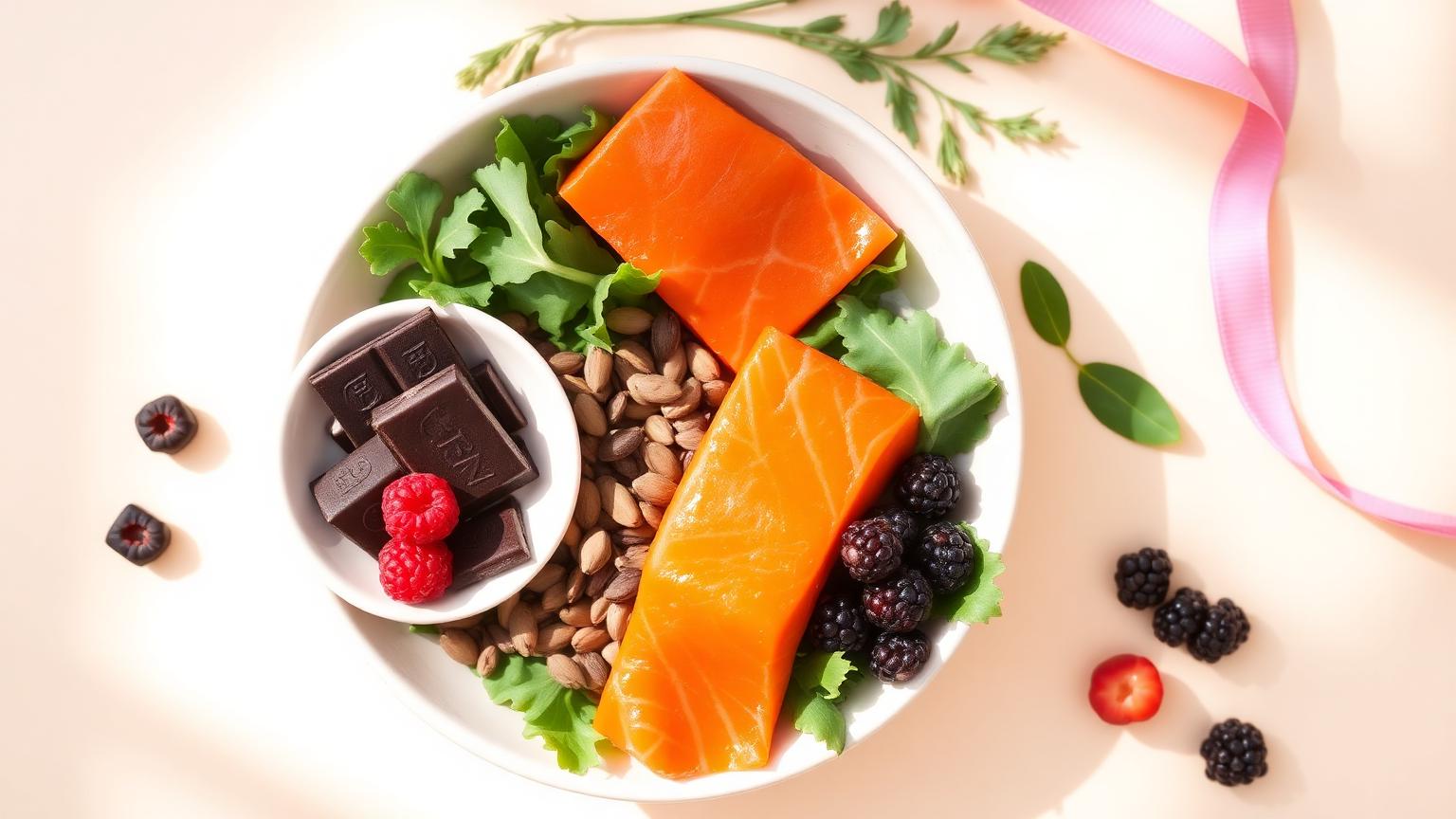
- Tuesday: 30-minute strength session. Keep a magnesium-rich snack like nuts or dark chocolate in your bag.
- Wednesday: Cut back on caffeine after noon. A 10-minute walk after lunch helps when energy dips.
- Thursday: Batch-cook a fiber-heavy dinner so you're less tempted by salty, sugary takeout when cravings hit.
- Friday: Lighter workload if possible. Phones off an hour before bed.
- Saturday: Gentle movement such as yoga, a hike or swimming. Say no to one plan you're dreading.
- Sunday: Log your symptoms, prep the week and get to bed early.
Where Cycle Syncing Ends and Menopause Support Begins
Cycle-sync supplements assume you still have a cycle with phases to support. Menopause-focused products usually target different issues, such as hot flashes, night sweats and changes that come after periods stop. Neither approach is better. They're built for different stages.
| Cycle-sync support | Menopause support | |
|---|---|---|
| Who it's for | Still cycling | Late peri or post |
| Main focus | Phase-based symptoms | Hot flashes, sleep |
| Timing | Changes by phase | Same daily routine |
| Typical goals | PMS, cravings, energy | Night sweats, comfort |
Signs your needs may be shifting
According to Mayo Clinic, cycle length can tell you a lot:
- Early perimenopause: your cycle length keeps differing by seven days or more.
- Late perimenopause: you go 60 days or more between periods.
- Other signs: skipped periods, hot flashes and night sweats.
Menopause itself is confirmed after 12 months without a period.
There's nothing wrong with changing your approach as your body changes. Many women use phase-based support for years, then switch focus once their cycle becomes too irregular to sync with.
When to Talk to a Healthcare Provider
Supplements can support you, but they can't tell you what's causing a symptom. See a provider if you notice any of these:
- Very heavy bleeding: ACOG lists soaking through one or more pads or tampons every hour for several hours in a row, or bleeding that lasts more than seven days.
- Bleeding between periods or after sex.
- Severe pain that stops you from working or living your life.
- PMDD-level mood symptoms: PMDD is a severe premenstrual condition. Oxford researchers found that 1.6% of participants met criteria for a confirmed diagnosis, a figure they say is likely an underestimate. If you have thoughts of self-harm, get help right away.
- Sudden major changes to your cycle, or any bleeding after 12 months without a period.
Always check with a provider before starting any supplement if you are pregnant, trying to conceive, breastfeeding, taking medication or using hormonal birth control.
Bring your symptom log
Take two or three months of notes to your appointment:
- cycle start dates
- flow (pads or tampons per day)
- symptom ratings
- sleep
- every supplement and medication you take
A log helps your provider spot patterns much faster than memory does.
Disclaimer: These statements have not been evaluated by the Food and Drug Administration. Feme products are not intended to diagnose, treat, cure or prevent any disease. Individual results vary.
FAQ
Is cycle syncing still worth it if my cycle is getting irregular in my late 30s?
Often, yes. Cycle syncing just becomes more personal once your cycle varies. Track your period and symptoms for a few months so you know when your luteal phase actually starts. A daily foundation formula covers the unpredictable stretches, and you can add phase-specific support when symptoms appear. If cycles get very irregular or stop for months, talk to your provider.
Why is my PMS getting worse in my 30s?
The U.S. Office on Women's Health notes that PMS can get worse in your late 30s and 40s as perimenopause approaches, especially if your mood reacts to hormone changes. Shifting estrogen and progesterone are part of it. So are stress, poor sleep and lifestyle pressure. Track your symptoms and get help if they disrupt your life.
At what age does perimenopause usually start, and how do I know if I'm in it?
Many women notice signs in their 40s, but Mayo Clinic says some see changes as early as their mid-30s. Common clues include:
- cycle lengths that keep differing by seven days or more
- skipped periods
- sleep changes
- hot flashes
No single symptom confirms it. A healthcare provider can review your history and symptom log to assess where you are.
Are hormone-free supplements safe to take with birth control or other medications?
Not always. Hormone-free doesn't mean free of interactions. Some botanicals can reduce how well hormonal birth control works, with St. John's wort the classic example. Minerals can also affect how certain medications are absorbed. Before you start any supplement, show the full label to your doctor or pharmacist, especially if you take prescription medication or use hormonal contraception.
How long does it take to notice a difference from cycle-synced supplements?
Plan on two to three cycles before you judge. Your cycle repeats roughly monthly, so you need a few rounds to compare symptoms fairly. Some women notice changes sooner, while others notice little. Keep a simple symptom log, pair supplements with sleep, nutrition and movement, and reassess honestly after about three months.
Can I take Full Balance and PMS SOS together?
Yes, they're designed to be used together. Full Balance is the daily foundation, and PMS SOS adds targeted support before your period, which is why the brand offers them as a duo. Both are hormone-free. Follow the label directions, and check with your healthcare provider first if you're pregnant, take medication or use hormonal birth control.