Self Care Rituals During Your Period That Help You Recharge
The usual period advice is a bubble bath, some chocolate and a reminder to "be gentle with yourself." That's nice, but it doesn't tell you much. Self care rituals during period days work best when they match what your body is doing on each day. Day one with heavy cramps needs different care than day four, when you feel like yourself again.
This guide covers:
- the most useful period self care ideas
- why each one may help
- how to build a period comfort routine you can follow during a busy week, so you aren't just pushing through
Key takeaways
- Period self care means meeting real needs: warmth, rest, food, gentle movement and emotional space.
- Heat is one of the better-studied home remedies. In one trial, a heat patch eased cramps about as well as ibuprofen.
- Rest during menstruation is part of recovery. It isn't laziness.
- Plan ahead. A routine you set up in the luteal phase beats scrambling on day one.
- See a healthcare provider about very heavy bleeding, pain that disrupts your life or symptoms that feel unusual for you.
The Short Answer: What Self Care Rituals During Your Period Really Look Like
Period self care isn't only about treating yourself. It's about noticing what your body is asking for and responding to it. On most cycles, that comes down to a handful of rituals:
- Heat: a heating pad, heat patch, warm bath or warm drink for cramps
- Hydration: water, herbal teas and warm broths
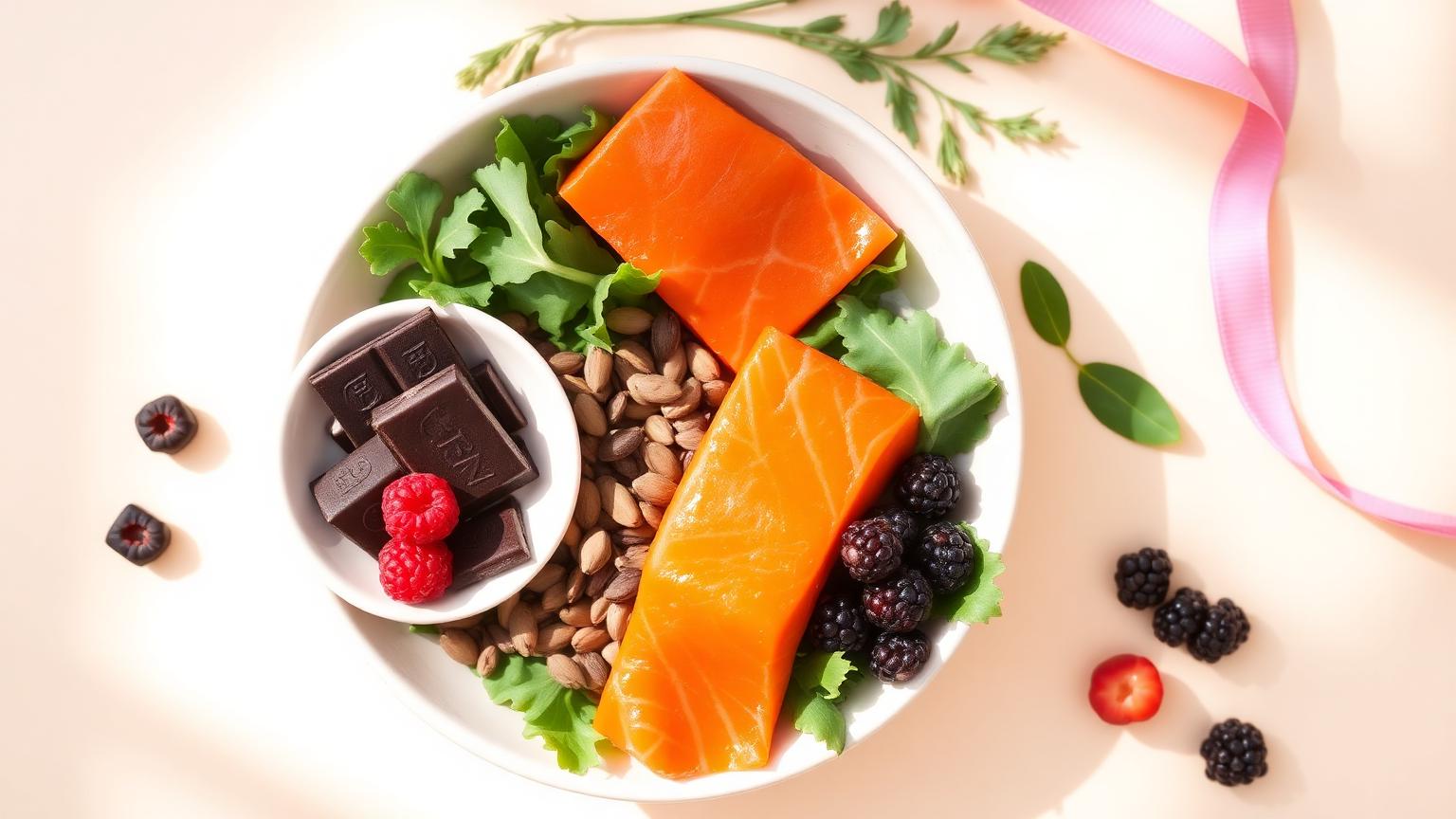
- Nourishment: iron-rich foods paired with vitamin C, plus magnesium sources like leafy greens, nuts and seeds
- Restorative movement: walks, stretching and gentle yoga instead of punishing workouts
- Sleep protection: an earlier bedtime and a real wind-down
- Boundaries: saying no, or "not today," without guilt
- Journaling: checking in on your mood, energy and needs
Cramps, bloating and mood dips are common. That doesn't mean you have to accept them and deal with them quietly. Self care also works best as a routine you plan ahead. Trying to throw it together when cramps hit at 9 a.m. on a workday rarely goes well.
One important point: severe pain or very heavy bleeding isn't something to manage alone. ACOG notes that heavy menstrual bleeding is not something to ignore and can be a sign of an underlying health problem. The final section, "When Self Care Isn't Enough," covers when to get checked.
Why Your Body Asks for Rest During Menstruation
Here's what happens during the menstrual phase. At the start of your cycle, estrogen and progesterone are at their lowest. The uterine lining that built up last cycle sheds, and that shedding is your period.
Cramps come mostly from compounds called prostaglandins. According to ACOG, prostaglandins are made in the lining of the uterus and cause its muscles and blood vessels to contract. Levels are high on the first day of a period and fall as bleeding continues. That's why day one often feels the worst and things usually ease by day three or four.
Fatigue and low energy are also commonly reported, and sleep can suffer. A systematic review on menstrual disturbances and sleep found that painful periods were linked to:
- worse sleep quality
- lower sleep efficiency
- more insomnia symptoms
Sleep matters for mood, too. One study of young women found that better sleep was associated with less negative mood during menses. If you're in pain and sleeping badly, feeling tired and low the next day makes sense. It isn't a character flaw.
So rest during menstruation is recovery. Your body is doing physical work, and giving it room to do that is a reasonable choice.
Where menstrual phase self care fits in cycle syncing
Cycle syncing splits your cycle into four phases: menstrual, follicular, ovulatory and luteal. Each phase can call for a slightly different approach to food, movement and workload.
- Menstrual: your reset.
- Follicular and ovulatory: often bring rising energy.
- Luteal: when PMS symptoms tend to show up, so it's also the best time to prepare for your next period.
Comfort Self Care Rituals for the Heaviest Days of Your Period
Days one and two are about warmth, softness and permission to do less.
Heat therapy
Heat is an old remedy with some research behind it. In a randomized trial published in Obstetrics & Gynecology, the researchers compared:
- a heated abdominal patch plus a placebo tablet
- an unheated patch plus ibuprofen
The two gave similar pain relief, and both did significantly better than placebo. A later meta-analysis in Scientific Reports also found favorable effects of heat on menstrual pain, although it included only six trials.
Ways to use heat:
- A heating pad or wearable heat patch on your lower abdomen or lower back
- A warm bath or shower, especially before bed
- Warm drinks you can hold in both hands, like ginger tea or broth
- A hot water bottle while you read or watch a show
Use a cloth layer and moderate temperatures, and don't fall asleep on a hot pad.
A cozy reset
- Clothes: soft, high-waisted, nothing tight around your stomach
- Protection: period underwear or your most trusted product, so you aren't anxious about leaks
- Bedding: fresh sheets and a dark towel on hand for peace of mind
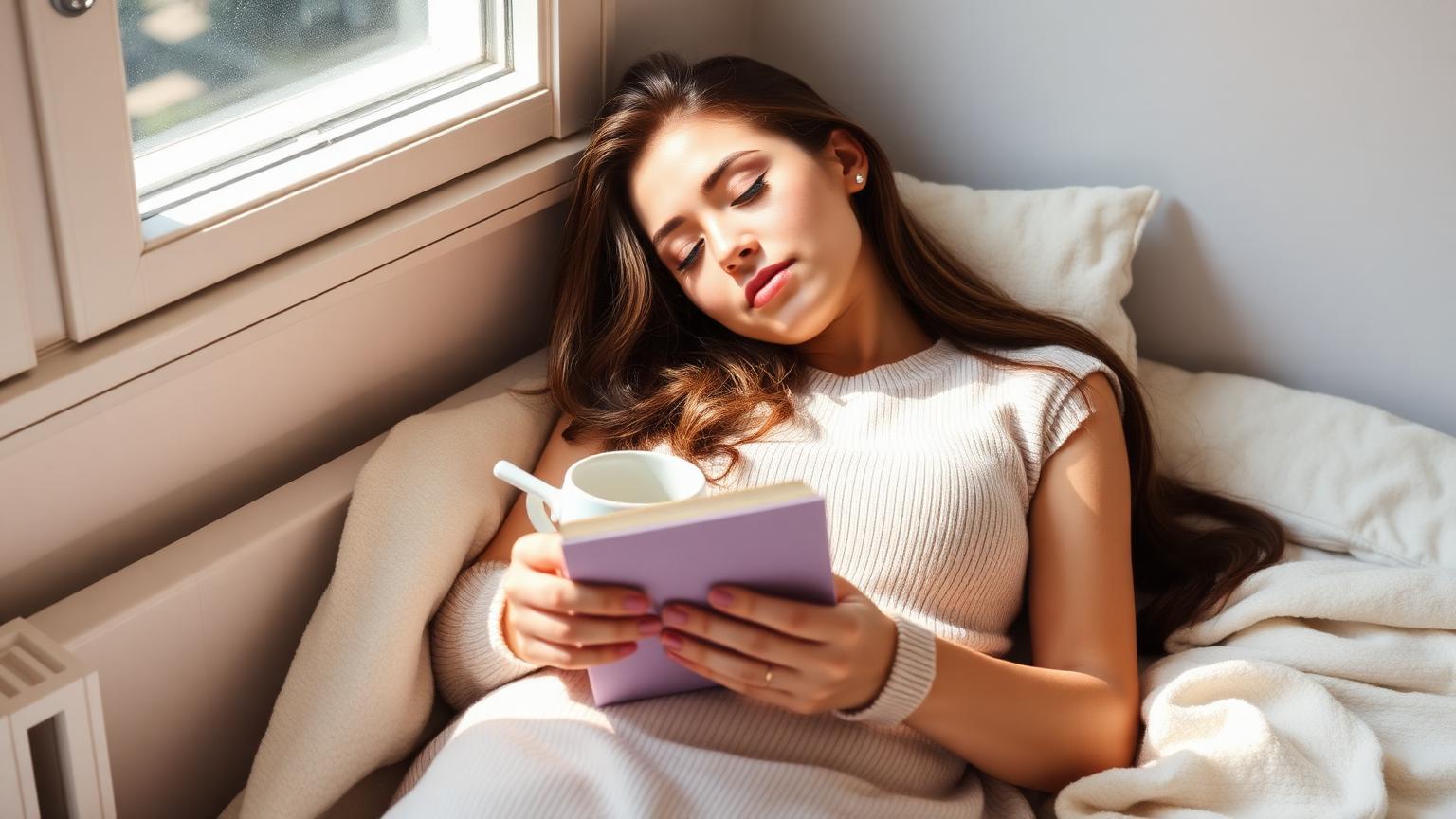
- A calm corner: a blanket, pillow, water and a book or playlist in one spot
Gentle self-massage
For your abdomen, use slow, clockwise circles with your palm on your lower belly. Add a little oil or lotion if you like.
For your lower back, lie on a tennis ball or use your knuckles on either side of your spine.
Many women find light pressure combined with warmth soothing. Keep the pressure gentle and stop if anything hurts.
Protect your sleep
Move your bedtime 30 to 60 minutes earlier on heavy days. A simple wind-down could include:
- a warm shower
- a heat pad
- dimmer lights
- no work email
- a few minutes of slow breathing
Cancel or downsize plans without guilt
You can swap a loud dinner for a walk and coffee, or a party for a FaceTime call. Downsizing plans is a reasonable way to look after yourself.
Nourishing Rituals: Eating and Drinking for Your Period
Hydration
Keep a water bottle within reach, and add warm drinks as a comfort ritual. Ginger tea is worth trying. A systematic review of oral ginger for period pain found that ginger appeared more effective than placebo at reducing pain severity. The authors also warned that the studies were few and of mixed quality.
Chamomile and warm broths work well too. Some women notice less bloating when they're well hydrated, so see whether that holds for you.
Foods that replenish
You lose iron when you bleed, so iron-rich foods are a smart choice. Plant iron (non-heme iron) is absorbed better when you eat it with vitamin C. Research summarized on PubMed describes vitamin C's role in boosting non-heme iron absorption as "well established."
The effect may be smaller in real life than in single-meal tests. A study of iron absorption across a complete diet found that vitamin C made less difference over a varied diet than earlier single-meal studies suggested. Treat the pairing as a helpful habit, not a fix.
If you have high iron stores or a condition such as hemochromatosis, talk to your provider before taking high-dose vitamin C supplements.
| Need | Try this | Why it may help |
|---|---|---|
| Iron | Lentils, spinach, red meat | Replaces what bleeding uses |
| Vitamin C pairing | Citrus, peppers, berries | Helps plant iron uptake |
| Magnesium | Leafy greens, nuts, seeds | Supports muscles and nerves |
| Warmth | Ginger tea, broth | Soothing, hydrating |
| Steady energy | Oats, eggs, yogurt | Protein and fiber reduce crashes |
Dark chocolate counts as a magnesium source too, so you can enjoy it without guilt.
Handle cravings kindly
Cravings aren't a willpower failure. Instead of cutting things out, pair what you're craving with protein or fiber:
- apple slices with nut butter
- dark chocolate with almonds
- Greek yogurt with berries and granola
You'll still get the comfort, with fewer energy crashes.
What to ease up on
If you notice they make things worse, go easier on:
- Very salty foods, which may make bloating feel worse
- Alcohol, which can disrupt sleep
- Too much caffeine, especially after midday
These aren't strict rules. Watch your own patterns.
Where supplements can fit
Food comes first, but some women want steady, everyday support across their cycle. Hormone-free options made with vitamins, minerals and naturally derived ingredients are one way to get it. Feme's Full Balance is designed as a daily foundation formula for that purpose.
Dietary supplements are not intended to diagnose, treat, cure or prevent any disease. Individual results vary. Talk to your healthcare provider before starting any supplement, especially if you take medication or use birth control.
Gentle Movement Rituals That Feel Good, Not Punishing
Exercise during your period may sound like the last thing you want. Still, light movement may help some women feel less crampy and more energized.
A 2019 Cochrane review found low-certainty evidence that exercise may reduce period pain. It concluded that women may consider exercise, alone or alongside options like NSAIDs, and noted that more research is needed.
The goal is circulation and release, not burning calories.
Ideas that feel good
- Slow walks outside, ideally in daylight
- Child's pose to soften the lower back
- Supine twist to release tension through the hips and spine
- Legs up the wall to rest and calm down
- Hip circles, cat-cow and gentle hamstring stretches
Listen to your body
If you feel drained on heavy days, swap HIIT or heavy lifting for something gentler. Then build back up as your energy returns around days three to five.
Some women feel fine training through their period, and that's okay too. Choose based on how you feel, not guilt.
A 10-minute period-friendly sequence
- Minutes 0–2: Cat-cow on hands and knees, slow and in time with your breath
- Minutes 2–4: Child's pose with knees wide and a pillow under your belly
- Minutes 4–6: Supine twist, one minute per side
- Minutes 6–8: Reclined butterfly with a heat pad on your lower abdomen
- Minutes 8–10: Legs up the wall with long, slow exhales
Emotional Self Care Rituals During Your Period
Journaling prompts
Spend five minutes with one or two of these:
- How is my energy, from 1 to 10, and what would raise it by one point?
- What am I feeling right now, and where do I feel it in my body?
- What does my body need today that I'm resisting?
- What can I drop or delegate this week?
- What helped last cycle that I want to repeat?
Mindfulness and breathwork
Try 4-7-8 breathing: inhale for four counts, hold for seven and exhale for eight. Or simply make your exhale twice as long as your inhale.
Longer exhales can help calm the stress response. That's useful when tension builds up in your jaw, shoulders and belly.
Boundaries and scripts
Asking for support is easier with the words ready:
- At work: "I'm working at reduced capacity today. Can we move this review to Thursday?"
- With a partner: "I'm crampy and low on energy. Could you handle dinner tonight?"
- With friends: "I'd love to see you, but I need a low-key version. Coffee instead of drinks?"
You don't have to explain more than you want to.
Connection rituals
Talking with someone who gets it can help. Call your sister, text the group chat or tell your partner how you actually feel. Saying it out loud often makes it feel lighter.
Digital detox and low-stimulation evenings
Dim the lights, turn off notifications and choose a comfort show over doomscrolling. A quieter evening can make winding down easier.
Period Self Care Ideas for Busy Working Women
You can't always clear your calendar, but you can plan around your cycle.
Plan ahead
Track your cycle in an app or calendar. When you can, keep the first one or two days of your period lighter: fewer meetings, no big presentations and no late nights. Even blocking a single "focus from home" day helps.
Desk-friendly comfort kit
- Stick-on heat patches
- A large reusable water bottle
- Herbal tea bags, such as ginger, peppermint or chamomile
- Snacks with protein, like nuts, protein bars or roasted chickpeas
- Spare pads, tampons or period underwear, plus a spare pair of regular underwear
- Pain relief as advised by your healthcare provider. NSAIDs reduce the prostaglandins linked to cramps, but check with your provider about whether they suit you.
Micro-rituals under five minutes
- A two-minute standing stretch: forward fold, side bends and hip circles
- Five rounds of slow breathing between meetings
- A walk to get a warm drink, phone in your pocket
- Refilling your water and resetting your heat patch
Energy-batching
Do deep, creative or high-stakes work on higher-energy days. For many women, these fall in the follicular and ovulatory phases.
Save heavy days for admin: inbox cleanup, filing, routine replies and planning. You'll still get a lot done, with less strain.
Build Your Own Period Comfort Routine: A Day-by-Day Plan
Use this as a starting point and adjust it to your own cycle length and flow.
| Stage | Morning | Midday | Evening |
|---|---|---|---|
| Days 1–2: rest | Warm drink, heat patch | Walk, iron-rich lunch | Bath, early bed |
| Days 3–4: return | Stretch, hearty breakfast | Light admin, hydrate | Yoga, journal |
| Day 5+: rebuild | Brisk walk or workout | Deep work blocks | Social plans, normal bedtime |
Days 1 to 2 (rest and warmth): Focus on comfort. Keep heat on hand, eat warm, nourishing food and keep commitments light.
Days 3 to 4 (gentle return): Cramps often ease as prostaglandin levels fall. Add more movement and gradually return to your normal workload.
Day 5 onward (rebuild energy): Ramp training back up, schedule demanding projects and enjoy your returning energy.
Prep during the luteal phase
The week or so before your period is when you set yourself up for it:
- Stock your comfort kit and restock period products.
- Batch-cook a soup or stew for days one and two.
- Lighten the calendar around your expected start date.
- Start any PMS support routine you've chosen.
For targeted support, Feme offers PMS SOS, a hormone-free formula made with vitamins, minerals and naturally derived ingredients. Some women find it a helpful addition to their routine, and individual results vary. To personalize your routine, Feme's hormone wellness quiz can help you work out which phase-based support fits your symptoms.
Track what works
After each period, write down three things:
- what helped
- what didn't
- what you'll try next time
After two or three cycles, you'll have a routine built on your own experience.
When Self Care Isn't Enough: Signs to See a Healthcare Provider
Self care rituals during your period can make a real difference, but they don't replace medical care. Book an appointment if you notice any of these:
- Pain that disrupts daily life, or that doesn't ease with heat, rest and the pain relief your provider recommends
- Very heavy bleeding. ACOG lists signs such as:
- soaking through one or more pads or tampons every hour for several hours in a row
- needing more than one pad at a time
- needing to change products overnight
- Periods lasting more than seven days
- Fatigue or shortness of breath. Mayo Clinic notes that tiredness or shortness of breath from blood loss can be a sign of heavy bleeding.
- Severe mood changes, dizziness or any symptom that feels unusual for you
- Before starting supplements, if you take medication, use birth control, are pregnant or have a health condition
Supplement disclaimer: Feme products are dietary supplements and are not intended to diagnose, treat, cure or prevent any disease. Individual results vary. Always consult a healthcare provider about severe symptoms.
FAQ
What are the best self care rituals during your period?
The most helpful rituals cover warmth, rest, nourishment, gentle movement and emotional space. Heat is a good place to start: in one trial, a heat patch eased cramps about as well as ibuprofen.
Also add:
- steady hydration
- iron-rich foods with vitamin C
- an earlier bedtime
- light stretching
- a few minutes of journaling
Plan them ahead so you aren't scrambling on day one.
Is it okay to rest and skip workouts during menstruation?
Yes. Rest during menstruation is recovery, not laziness. If you feel drained on heavy days, swap intense training for walks, stretching or restorative yoga. Then build back up as your energy returns.
A 2019 Cochrane review found low-certainty evidence that exercise may ease period pain, so gentle movement is often a good middle ground.
What should I eat and drink to feel better on my period?
- Drinks: water, herbal teas like ginger or chamomile, and warm broths.
- Iron: lentils, spinach or red meat, paired with vitamin C from citrus or peppers to help absorption.
- Magnesium: leafy greens, nuts, seeds and dark chocolate.
- Go easier on: very salty foods, alcohol and excess caffeine, if they bother you.
How can I manage period cramps naturally at home?
Start with heat on your lower abdomen or back. One trial found a heat patch worked about as well as ibuprofen. Add warm baths, gentle abdominal massage, ginger tea and restorative poses like child's pose or legs up the wall.
If cramps disrupt your daily life or don't ease with these measures, see a healthcare provider.
How do I create a period self care routine when I work full time?
- Track your cycle and keep your first one or two days lighter when you can.
- Keep a desk kit with heat patches, water, tea, protein snacks and spare products.
- Use five-minute micro-rituals like stretching or breathing between meetings.
- Batch your work so deep focus falls on higher-energy days and admin on heavy days.
Can supplements help with period and PMS symptoms?
Some women find that hormone-free supplements made with vitamins, minerals and naturally derived ingredients fit well into their cycle routine, alongside good food, sleep and movement. Results vary, and supplements aren't intended to diagnose, treat, cure or prevent any disease.
Check with your healthcare provider first, especially if you take medication, use birth control or are pregnant.