What Supplements to Take During Your Menstrual Phase: A Nutrient-by-Nutrient Guide
Cramps, low energy, and a body that wants a blanket and nothing else. If you've been searching for what supplements to take during your menstrual phase, you've probably found lists of 15 vitamins with no reasons attached. This guide takes a different approach. For days 1 to 5, it links each nutrient to what your body is dealing with: blood loss, cramping, inflammation and fatigue. It also covers which nutrients work better together and where the evidence is solid or still thin. Use it to make informed choices for your period week, and talk to a professional when something feels off.
Key takeaways
- Iron plus vitamin C is the clearest match for period week, because you lose iron when you bleed.
- Magnesium is the nutrient most often discussed for cramps. Some women notice a difference, but results vary.
- Omega-3s, vitamin D, zinc and B vitamins work best taken steadily all month, not only during your period.
- Food comes first. Supplements fill gaps.
- Painful, heavy or exhausting periods are worth getting checked. You don't have to just put up with them.
The Short Answer: What Supplements to Take During Your Menstrual Phase
The nutrients that come up most for the menstrual phase are iron (with vitamin C), magnesium, omega-3 fatty acids, vitamin B6 and zinc. Here's why each one matters on bleeding days.
| Nutrient | Why it matters on days 1–5 | Best taken |
|---|---|---|
| Iron + vitamin C | Replaces iron lost in blood | With a meal |
| Magnesium | Helps muscles relax | Evening |
| Omega-3s | Helps balance inflammation | Daily, with food |
| Vitamin B6 | Energy and mood | Daily |
| Zinc | Immune and tissue support | Daily, with food |
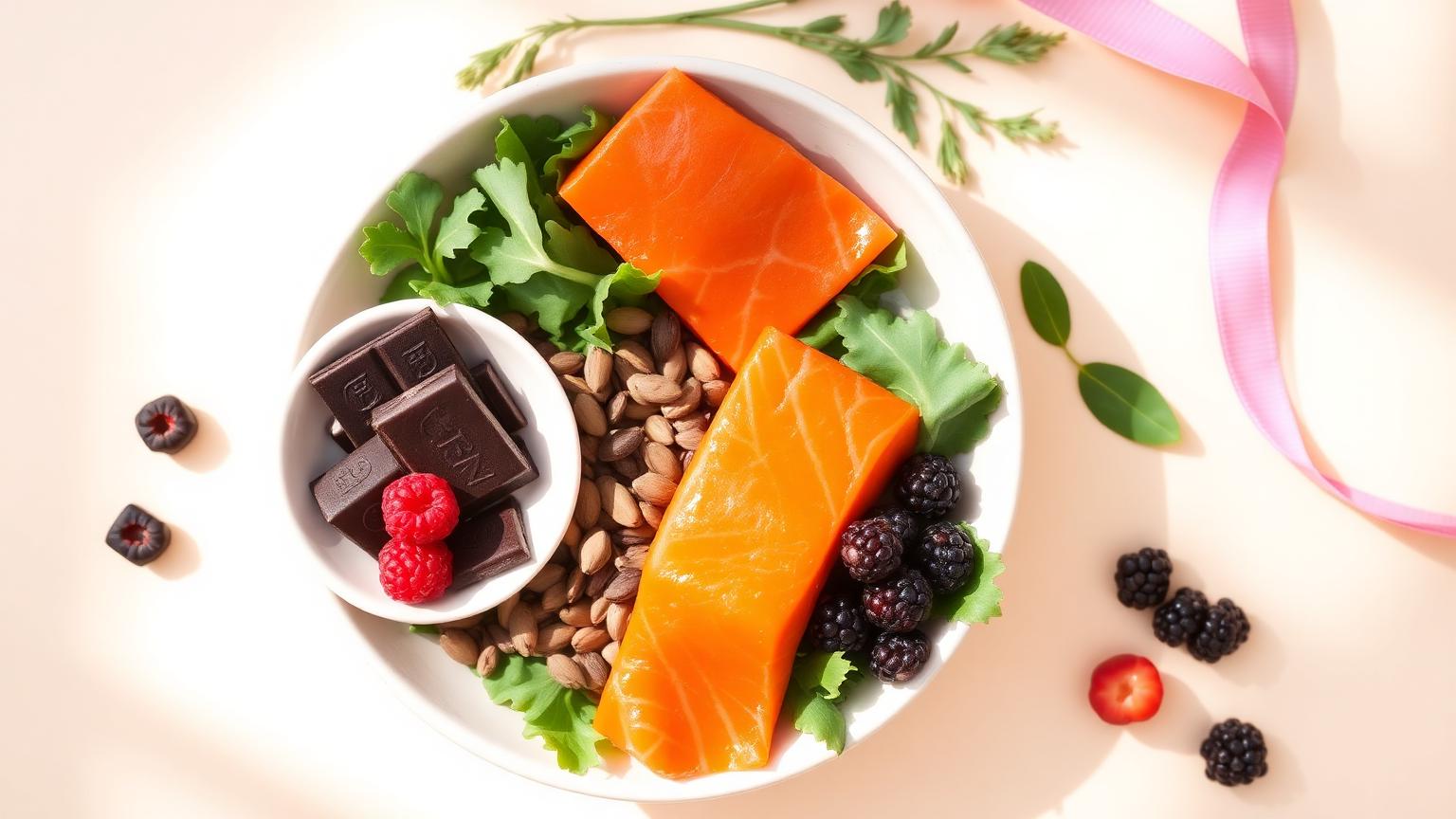
Start with food. A plate with lentils, leafy greens, salmon and seeds already covers much of this list. Supplements are there for gaps, such as a vegetarian diet, heavy periods or a busy month of eating whatever is closest.
Your needs also depend on your diet, how heavy your flow is, your health history and any medications you take. A hormone-free daily foundation formula like Full Balance can cover the basics across all four cycle phases, so you don't have to assemble a shelf of bottles yourself.
Supplements are not intended to diagnose, treat, cure or prevent any disease. If you take medication, use hormonal birth control, are pregnant or breastfeeding, or have severe symptoms, talk to your healthcare provider before starting anything new.
What Happens in Your Body During the Menstrual Phase
Days 1 to 5: the reset
Your menstrual phase starts on the first day of bleeding. If you didn't get pregnant in the previous cycle, estrogen and progesterone drop to their lowest levels. That drop signals the uterine lining to shed, and the shed lining is your period.
Prostaglandins: the cramp messengers
According to the American College of Obstetricians and Gynecologists, period pain is caused by natural chemicals called prostaglandins that are made in the lining of the uterus. Prostaglandins make the uterus contract, and they're also involved in inflammation. That's why nutrients linked to inflammation balance, such as omega-3s and vitamin D, keep coming up in period research.
The same ACOG resource says more than half of women who menstruate have some pain for 1 to 2 days each month. Common doesn't mean you have to live with it, though. For some women the pain is severe enough to keep them from everyday activities, and that needs medical attention.
Blood loss, iron and energy
Every period takes some iron with it. Harvard's Nutrition Source notes the recommended iron intake is 18 mg a day for women aged 19 to 50, compared with 8 mg for men. The higher number exists because of menstrual blood loss. If your iron stores are already low, period week can leave you more tired than usual.
Turning inward is normal. Constant pain is not.
Wanting to slow down, cancel plans or go to bed early during your period is common, given the hormonal shifts and the physical work your body is doing. Pain that stops your day, though, is a signal to investigate.
How this phase connects to the rest of your cycle
The menstrual phase is the first part of the follicular phase . Estrogen starts climbing again once bleeding ends. The symptoms you feel during your period often start earlier, in the luteal phase , when PMS, bloating and cravings tend to peak.
Iron and Vitamin C During Your Period
Why your iron needs are higher
Women who menstruate need more than twice as much iron as men because they lose it every cycle. When iron runs low, it often shows up as:
- Fatigue that sleep doesn't fix
- Dizziness or lightheadedness
- Pale skin or pale inner eyelids
- Shortness of breath on stairs
- Cold hands and feet
Why vitamin C helps
There are two types of dietary iron. Heme iron comes from animal foods and is absorbed well. Non-heme iron comes from plants and fortified foods and is harder for your body to absorb. The NIH Office of Dietary Supplements estimates iron bioavailability at 14% to 18% from mixed diets and 5% to 12% from vegetarian diets. It also notes that vitamin C improves non-heme iron absorption.
Harvard's Nutrition Source adds that vitamin C and heme iron eaten at the same meal can boost non-heme iron absorption.
Pairing tip: Squeeze lemon over a lentil salad. Add bell peppers to a bean chili. Have strawberries with fortified oats. If you take an iron supplement, take it with orange juice or a vitamin C-rich snack.
Heme vs non-heme food sources
| Type | Food sources | Absorption |
|---|---|---|
| Heme | Beef, lamb, liver | Higher |
| Heme | Sardines, mussels, chicken | Higher |
| Non-heme | Lentils, beans, tofu | Lower |
| Non-heme | Spinach, pumpkin seeds | Lower |
| Non-heme | Fortified cereals | Lower |
If you don't eat meat, poultry or seafood, the NIH says vegetarians need almost twice as much iron. Plant iron isn't absorbed as well, so vitamin C pairing matters even more for you.
What gets in the way
- Tea and coffee: their polyphenols can bind iron. Drink them an hour or two away from iron-rich meals.
- Calcium: Harvard notes that large amounts of calcium, especially from supplements, can reduce iron absorption. Take calcium at a different meal from your iron.
- Bran fiber: whole grains are great, but a big bowl of bran with your iron pill works against you.
Don't megadose without testing
More iron isn't automatically better. The NIH notes that extremely high doses of iron can cause organ damage, and that iron supplements can lower zinc absorption. If your periods are heavy or you're constantly tired, ask your provider about a ferritin test, which measures your iron stores. Let your results guide whether you need extra iron and how much.
Magnesium During Menstruation
Why magnesium comes up for cramps
Magnesium helps muscles relax after they contract, and your uterus is a muscle. That's the main reason magnesium is so widely discussed for period pain. A 2020 systematic review and meta-analysis of micronutrients for primary dysmenorrhea included magnesium, sometimes combined with calcium, among the nutrients studied. A small randomized controlled trial of magnesium sulfate in students with primary dysmenorrhea has also examined its effect on pain.
The evidence has limits. The studies are small, the doses differ, and magnesium doesn't replace medical care for severe pain. Some women notice a difference over a few cycles, and others don't.
Common forms, in plain terms
- Magnesium glycinate: generally considered gentle on the stomach. Often chosen for evening use.
- Magnesium citrate: well absorbed, with a mild laxative effect at higher doses.
- Magnesium oxide: contains more magnesium per pill, but is generally less well absorbed and more likely to loosen stools.
Food sources
- Dark chocolate (70% or higher)
- Spinach, Swiss chard and other leafy greens
- Almonds, cashews and peanuts
- Pumpkin, chia and flax seeds
- Black beans, chickpeas and edamame
Timing and side effects
Many women take magnesium in the evening as part of a wind-down routine. The main side effect to watch for is an upset or loose stomach. The NIH sets the upper limit for magnesium from supplements and medications at 350 mg a day for adults. Magnesium from food doesn't count toward that limit. If you have kidney problems, check with your provider first.
Other Nutrients Worth Knowing: Omega-3s, B Vitamins, Zinc and Vitamin D
Omega-3 fatty acids
EPA and DHA, found in fatty fish and algae oil, help keep inflammation in balance and play a part in how prostaglandins are made. Researchers have tested whether omega-3s can ease period pain, and a systematic review of nutritional practices for menstrual cycle symptoms includes this area of research. Interest is high, but the answer isn't settled.
Vitamin B6 and B12
B vitamins help turn food into energy. Vitamin B6 also helps your body make neurotransmitters involved in mood, which is why it's often linked with PMS support. B12 is key for red blood cells and energy. It matters most if you eat little or no animal food, because it occurs naturally almost only in animal products.
Zinc
Zinc supports immune function and tissue repair. A 2024 systematic review and meta-analysis of zinc for primary dysmenorrhea suggests zinc may help reduce period pain. That's promising, but the number of trials is small, so treat it as an early signal rather than a final answer. Food sources include oysters, beef, pumpkin seeds, chickpeas and cashews.
Vitamin D and calcium
Vitamin D and calcium belong in your routine all year. A 2023 meta-analysis of randomized trials found lower pain scores with vitamin D than with placebo in women with primary dysmenorrhea. A separate systematic review of vitamin D and calcium for primary dysmenorrhea also points to possible benefit, though the studies vary in dose and design. Some trials used high, supervised doses, so get your levels tested instead of guessing.
Daily or period-only?
| Nutrient | Approach | Why |
|---|---|---|
| Omega-3s | Daily | Builds up over weeks |
| Vitamin D | Daily | Year-round foundation |
| B vitamins | Daily | Ongoing energy needs |
| Zinc | Daily, moderate | Steady intake |
| Magnesium | Daily or luteal + period | Flexible |
| Iron | As needed | Based on testing |
Menstrual Phase Nutrition: Foods That Support Your Supplements
Warm, iron-rich, anti-inflammatory meals
During your period, warm and comforting food often feels best. Some ideas:
- Lentil and vegetable soup with a squeeze of lemon
- Beef or tofu stir-fry with broccoli and red pepper
- Baked salmon with sweet potato and sautéed greens
- Oats cooked with chia, pumpkin seeds and berries
- Miso soup with tofu, seaweed and spinach
Hydration and bloating
It sounds backwards, but drinking enough water may help with bloating. Keep water nearby. Warm herbal teas like ginger or peppermint count too, and they're comforting.
Ease up on the salt bombs
If very salty or ultra-processed foods tend to leave you puffier, cut back on them this week. You don't need a perfect diet. Lean toward whole foods most of the time, and enjoy the chocolate.
A sample one-day period-week plate
- Breakfast: Fortified oats with chia seeds, pumpkin seeds and strawberries. Have your coffee an hour later.
- Lunch: Lentil soup, a spinach salad with orange segments, and whole-grain bread.
- Snack: A square or two of dark chocolate and a handful of almonds.
- Dinner: Salmon or tofu, roasted sweet potato and garlicky greens.
- Evening: Ginger tea and your magnesium, if you take it.
Simple shopping list
- Lentils, chickpeas, black beans
- Spinach, kale, Swiss chard
- Bell peppers, oranges, kiwi, strawberries
- Salmon, sardines or algae-based omega-3 foods
- Lean beef, eggs or firm tofu
- Pumpkin seeds, chia, almonds, walnuts
- Oats, quinoa, sweet potatoes
- Dark chocolate (70%+)
- Ginger and peppermint tea
How to Build a Simple Menstrual Phase Supplement Routine
You don't need ten bottles. A short routine you actually follow does more than an ambitious one you drop after a week.
- Start with one daily foundation. Choose a single formula that covers the core vitamins and minerals, then add only what you need.
- Take iron with vitamin C in the morning, if testing shows you need iron. Keep it away from coffee, tea and calcium.
- Take magnesium in the evening as part of your wind-down routine.
- Take omega-3s and vitamin D with a meal that contains fat, every day.
- Track for two to three cycles. Use a cycle app or a notebook to rate cramps, energy, mood and bloating on a 1 to 10 scale, so you can see what changes.
- Change one thing at a time. Otherwise you won't know what's helping.
If you want an easier starting point, Full Balance is designed as a hormone-free daily foundation made with vitamins, minerals and naturally derived ingredients, and it's meant to be taken across all four phases. For the days leading into your period, PMS SOS offers targeted support. Feme has evaluated it in a consumer user-experience test, which is not a clinical trial. Individual results vary. Not sure where to begin? The Feme hormone wellness quiz can help you build a routine based on your symptoms.
Safety Notes: When Supplements Aren't Enough
Supplements support your body. They don't replace a diagnosis. Get checked if you notice any of these, which are drawn from Mayo Clinic's guidance on heavy menstrual bleeding and general medical advice:
- Soaking through a pad or tampon every hour for several hours in a row
- Pain that stops your daily life, such as missing work, school or plans
- Periods lasting longer than seven days
- Passing large clots, roughly quarter-sized or bigger
- Severe fatigue, dizziness or shortness of breath
- Bleeding between periods or after sex
Conditions to rule out with a professional:
- Endometriosis: tissue similar to the uterine lining growing outside the uterus
- Fibroids: non-cancerous growths that can cause heavy bleeding
- Adenomyosis: uterine lining tissue growing into the muscle wall
- Iron-deficiency anemia: often the result of heavy periods
Interactions to ask about:
- Iron, calcium, magnesium and zinc can affect how some antibiotics and thyroid medications are absorbed.
- Some herbal ingredients can interact with hormonal birth control. St. John's wort, for example, is known to make it less effective.
- If you take blood thinners, talk to your provider before taking high-dose omega-3s.
Pregnancy and breastfeeding: your needs change significantly, so use supplements made for those stages and follow your provider's advice.
And once more: dietary supplements are not intended to diagnose, treat, cure or prevent any disease.
Your Period, Your Rules: Carrying Support Into the Next Phase
In short: pair iron with vitamin C, especially if your flow is heavy. Try magnesium in the evening for muscle relaxation. Keep omega-3s, vitamin D and B vitamins steady all month. Back it all up with warm, iron-rich meals and enough water.
When bleeding ends, you move into the rest of the follicular phase . Estrogen rises, energy usually returns, and your focus can shift from replenishing to building. Keep up your foundation habits, because how you support your body now affects how your luteal phase and your next period feel.
Don't accept cycle discomfort as normal if it isn't working for you. Track your symptoms, ask for tests, and push for answers if you aren't heard. You know your body best.
If you want a place to start, take the Feme hormone wellness quiz or look at Full Balance as your daily foundation.
FAQ
Should I take iron during my period, or only if I'm low?
For most women, food comes first. Aim to meet the 18 mg daily recommendation through meals, and pair plant sources with vitamin C. An iron supplement makes the most sense when a blood test shows low iron or ferritin, or when your provider recommends one. Taking iron "just in case" can cause constipation or nausea, and too much over time can be harmful.
Does magnesium help with period cramps?
It might. Magnesium helps muscles relax, and some small trials suggest it may ease primary period pain, sometimes in combination with calcium. The studies are limited and doses vary, so it isn't a guaranteed fix. Some women notice a difference after a few cycles, and others don't. Stay at or below 350 mg a day from supplements unless your provider advises otherwise.
Can I take supplements during my period if I'm on birth control?
Often yes, but check first. On hormonal birth control, your bleed is usually a withdrawal bleed, so phase-based advice may apply differently. Basic vitamins and minerals are generally fine. Some herbal ingredients, such as St. John's wort, can make contraception less effective. Show your pharmacist or provider the full ingredient label before you start anything new.
What vitamins are depleted during menstruation?
Iron is the clearest one, because you lose it in blood. That's why women aged 19 to 50 need 18 mg a day compared with 8 mg for men. For magnesium, zinc and vitamin D, there's no clear evidence that your period depletes them, but low baseline levels may make symptoms feel worse. A blood test is more reliable than guessing what you're missing.
What supplements should I take during my menstrual phase versus all month?
Mostly, take them all month. Vitamin D, omega-3s, B vitamins and often magnesium work best taken consistently, because your levels build over weeks. Period week is when you might focus more on iron-rich meals and vitamin C. Cycle-synced formulas add phase-specific support on top of a steady daily base. They don't replace it.
What should I eat during my menstrual phase to feel less tired?
Build meals around iron and protein, such as lentils, beef, eggs, tofu or salmon, and add a vitamin C source like peppers or citrus. Include complex carbs like oats or sweet potato for steady energy, and drink enough water. Keep coffee and tea away from iron-rich meals. If fatigue is severe or lasts past your period, ask your provider about an iron test.