Supplements to Take During Ovulation Phase: Proven vs Plausible
Search for supplements to take during ovulation phase and you'll find plenty of "ovulation glow stacks" promising energy, radiance and desire. The evidence is much thinner than the marketing. This guide rates each popular ovulation-phase supplement and food as Proven, Plausible or Hype, and explains who might actually need each one. It also makes the case that cycle syncing works best as a steady daily foundation, not a new set of pills every week.
Key takeaways
- No supplement is clinically proven to "boost" ovulation phase energy in healthy women.
- Folate is the clear win if you could get pregnant. Iron and vitamin D are worth taking if a test shows you're low.
- Omega-3s, magnesium, zinc, B vitamins, CoQ10 and maca are "plausible" at best.
- Your daily eating pattern matters more than perfect "phase meals."
- Mild one-sided twinges are common. Severe or long-lasting mid-cycle pain is worth getting checked.
The Short Answer: Which Supplements to Take During Ovulation Phase
Here's the plain version:
- Folate/folic acid is proven to help prevent neural tube defects in anyone who could become pregnant. The CDC recommends that all women who can become pregnant get 400 mcg of folic acid daily.
- Iron and vitamin D are proven, but only if you're deficient. Testing comes first.
- Daily basics do most of the work. Vitamins and minerals, enough protein and omega-3s, taken consistently, cover most ovulation-phase needs. A special phase-only stack usually isn't necessary.
- Everything else is "plausible" or "hype." We'll show you which is which.
At Feme, we'd rather be straight about the evidence than add another miracle claim to the pile.
Quick note on birth control: Hormonal contraception often stops ovulation, so "ovulation phase" advice may not apply to you in the same way. Ask your provider.
Supplements are not intended to diagnose, treat, cure or prevent any disease.
What Happens in Your Body During the Ovulatory Phase
In a textbook 28-day cycle, ovulation typically happens around day 14, when a surge of luteinizing hormone (LH) triggers your ovary to release a mature egg. The ovulatory window is often described as roughly days 13 to 17. Many real cycles don't follow the textbook, though, so your timing may be earlier or later.
Here's the sequence:
- Estrogen peaks. The growing follicle releases more and more estrogen. Near the end of the follicular phase, high estradiol flips into positive feedback on the brain.
- LH surges. That feedback triggers the LH spike.
- The egg is released. The follicle ruptures, and what remains becomes the progesterone-producing corpus luteum.
The feel-good side (for some)
High estrogen and a small rise in testosterone around this time may help explain why many women report more energy, confidence, sociability and libido near ovulation. The Cleveland Clinic lists increased sex drive, heightened senses, mood changes and appetite changes among the common signs. It also notes that not everyone has symptoms.
The less-talked-about side
The same source lists tender breasts, bloating, pelvic pain and light spotting as possible ovulation signs. Mid-cycle pain even has a name: mittelschmerz. According to Mayo Clinic, it often lasts a few minutes to a few hours, sometimes a day or two. It usually shows up on the side of the ovary releasing the egg. You may also notice cervical mucus becoming clear, slippery and stretchy.
How to tell you're ovulating
| Method | What it shows | Timing | Reliability |
|---|---|---|---|
| LH strips | LH surge | Before ovulation | Good, predictive |
| Basal body temp | Progesterone rise | After ovulation | Confirms only |
| Cervical mucus | Estrogen rise | Before ovulation | Takes practice |
| Calendar apps | Estimate | Varies | Weakest alone |
Johns Hopkins explains that once an LH test turns positive, ovulation usually follows within a day or so. Basal body temperature then rises slightly, often around 0.5°F or more, and stays up for the rest of the cycle. Because BBT doesn't clearly change until a day or two after ovulation, it confirms ovulation rather than predicting it.
Tracking these patterns gives you useful information. If mid-cycle pain is persistent or severe, raise it with a doctor rather than putting up with it.
How We Rated the Evidence (and Why Most Cycle-Syncing Pages Don't)
These are the ratings we use throughout:
- Proven: strong human evidence or official health guidance.
- Plausible: a sensible biological reason plus limited, small or mixed human studies.
- Hype: popular claims with little or no meaningful support.
Very few studies test supplements by cycle phase. Most of the evidence comes from general women's health, nutrition or fertility research. A 2025 review of cycle-syncing content on TikTok pointed to a lack of consensus on how the four phases should shape exercise and diet recommendations. Nutrition writers have also argued that cycle syncing is oversold compared with consistent everyday habits.
It also helps to separate two goals:
- Correcting a deficiency: if your ferritin or vitamin D is low, supplementing can make a real difference.
- "Optimizing" a phase: if you're not deficient, extra doses usually have little evidence behind them.
Where the research is thin, we say so. That's why you'll see phrases like "some women notice" and "individual results vary" in this guide.
Supplements to Take During Ovulation Phase, Rated
| Supplement | Rating | Who might benefit | Food sources |
|---|---|---|---|
| Folate/folic acid | Proven | Could become pregnant | Leafy greens, legumes |
| Iron | Proven if low | Tested deficient | Red meat, lentils |
| Vitamin D | Proven if low | Tested deficient | Fatty fish, eggs |
| Omega-3 (EPA/DHA) | Plausible | Low fish intake | Salmon, sardines |
| Magnesium | Plausible | Low intake | Seeds, nuts, greens |
| Zinc | Plausible | Low intake | Shellfish, pumpkin seeds |
| B12 / B-complex | Plausible | Vegans, low intake | Eggs, dairy, meat |
| CoQ10 | Plausible | TTC, over 35 | Organ meats, fish |
| Maca | Plausible at best | Curious about libido | n/a |
| "Detox" blends | Hype | Nobody, really | n/a |
Proven
Folate/folic acid. Major organizations, including the CDC, ACOG and USPSTF, recommend a daily supplement with 400–800 mcg for anyone who could become pregnant. Neural tube development happens very early, often before you know you're pregnant, so take it every day, not just around ovulation.
Iron. Iron deficiency is common among women of reproductive age, largely because of menstrual blood loss. Still, take extra iron only after a blood test shows you need it, because too much can cause harm. Interaction: iron can reduce levothyroxine absorption, and common guidance is to separate the two by at least 4 hours. Check the timing with your pharmacist.
Vitamin D. Correcting a confirmed deficiency matters for overall health. Ask for a test before you take high doses.
Plausible
- Omega-3s (EPA/DHA): these support overall health and help regulate inflammation, and many women eat little fatty fish. There's no phase-specific proof.
- Magnesium: many diets fall short. Interaction: magnesium can also interfere with thyroid medication, so guidance is generally to keep supplements several hours apart from levothyroxine.
- Zinc and B12/B-complex: both play roles in energy metabolism and reproductive health. They help most if your intake is low, for example if you're vegan.
- CoQ10: a 2025 review suggests benefits for egg quality, mainly in women who are older or have low ovarian reserve, often in IVF settings. Fertility clinics generally frame it as something to start months before a cycle, not just at ovulation. That evidence doesn't carry over to healthy women who simply want more energy.
Libido botanicals: plausible at best
Maca is the star of most "ovulation desire" stacks. A systematic review found only four small trials. Some suggested benefits for sexual desire, including in menopausal women and healthy men, while another showed no effect. That's interesting but limited evidence, and individual results vary.
Hype or weak evidence
- "Estrogen-balancing" detox blends: your liver and gut already metabolize estrogen, and no blend has been shown to "balance" a healthy cycle.
- "Ovulation boost" herbal stacks: these usually lack human data, and some herbs interact with medications. St. John's wort, for example, can reduce the effectiveness of hormonal contraception.
- Antioxidant megadoses: more isn't better, and megadosing has no ovulation-specific support.
Talk to your healthcare provider before starting supplements, especially if you're trying to conceive, pregnant, taking medication or using birth control.
Ovulatory Phase Nutrition: What to Eat During Ovulation
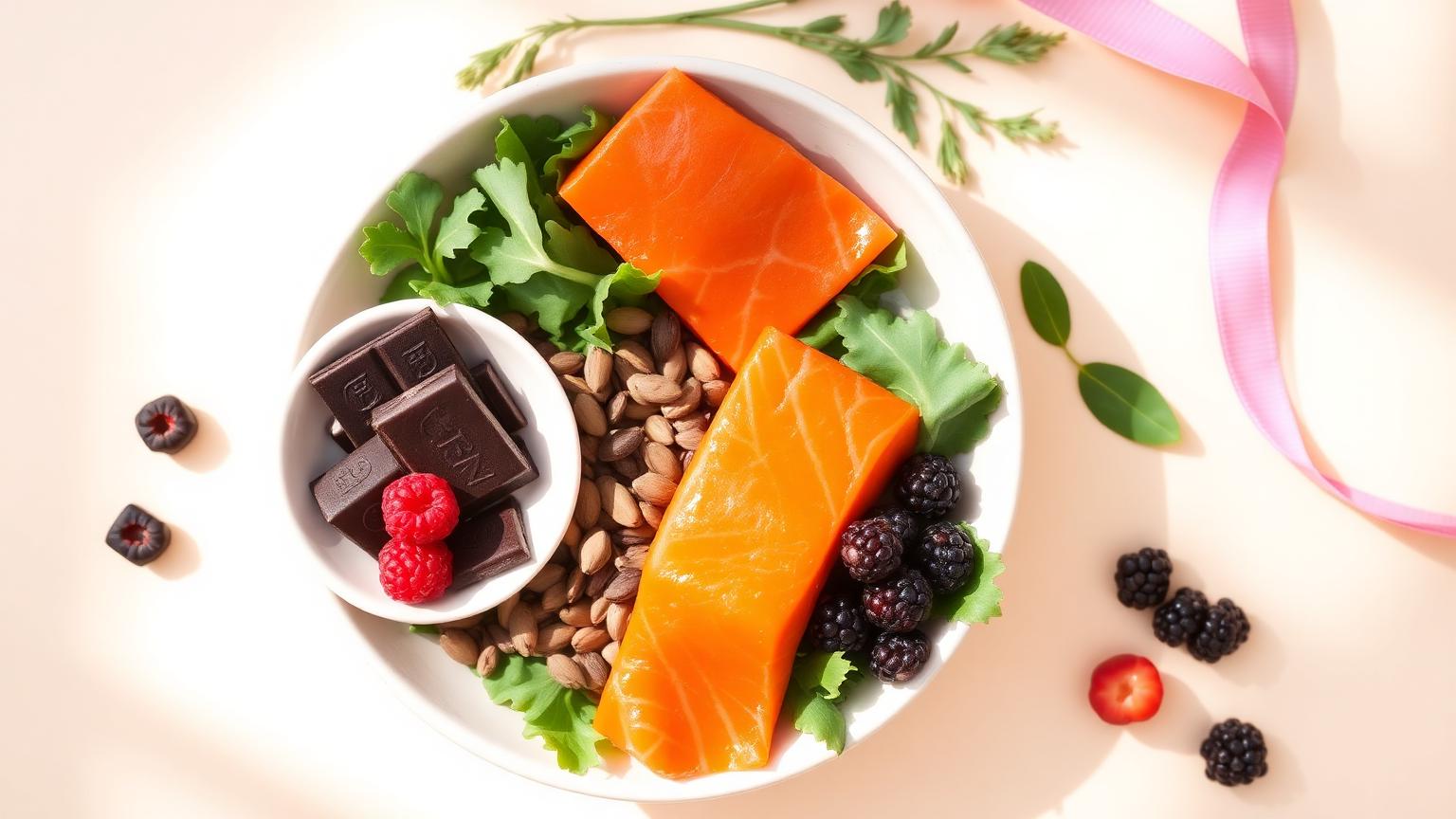
Start with food. Fiber-rich vegetables, legumes and whole grains support regular digestion, which plays a part in how your body clears estrogen. Think of this as plausible, food-level support, not a cure-all.
| Food | Key nutrient | Busy-day option |
|---|---|---|
| Leafy greens | Folate | Bagged spinach |
| Salmon, sardines | Omega-3s | Canned fish |
| Ground flax, chia | Plant omega-3s | Stir into yogurt |
| Lentils, beans | Iron, fiber | Microwave pouches |
| Lean red meat | Iron, zinc | Weekly stir-fry |
| Pumpkin seeds | Zinc, magnesium | Desk snack |
| Shellfish | Zinc, B12 | Frozen shrimp |
| Eggs | B12, vitamin D | Hard-boiled batch |
| UV-exposed mushrooms | Vitamin D | Sauté with eggs |
Hydration for active days
If you feel up for harder workouts around ovulation, drink water steadily through the day. After sweaty sessions, get electrolytes from food (bananas, yogurt, salted nuts) or a simple electrolyte drink.
Sample one-day ovulation plate (busy-woman version)
- Breakfast: Greek yogurt with ground flax, berries and pumpkin seeds.
- Lunch: grain bowl with lentils, spinach, roasted veggies and olive oil dressing.
- Snack: two hard-boiled eggs and an orange (vitamin C helps you absorb iron from plant foods).
- Dinner: sheet-pan salmon with sweet potato and broccoli, or a lean beef stir-fry.
- Hydration: a water bottle at your desk, plus electrolytes after a tough workout.
Myth check: "cycle-syncing foods" aren't required
No single food unlocks ovulation. Your overall pattern matters far more than perfect phase meals: enough protein, plenty of plants, healthy fats and regular meals. Even supporters of cycle syncing acknowledge the research is limited. If you ate salmon in your luteal phase and lentils during ovulation, your cycle won't hold it against you.
Making the Most of Ovulation Phase Energy
Cycle syncing around ovulation can be simple. Some women like to plan around how they tend to feel:
- Schedule your "big" stuff: put high-intensity workouts, presentations, tough conversations or social plans on the days you usually feel strongest.
- Fuel the output: include protein at each meal, especially around workouts.
- Protect your sleep: a busy, high-energy week can still end in a luteal-phase crash if you overdo it.
- Build in recovery: add a lighter day after back-to-back intense sessions.
- Own your desire: higher libido around ovulation is normal and healthy for many women. Noticing it, and talking about it with a partner if you want to, is part of knowing your body.
No energy peak? That's common. Stress, sleep, training load, contraception and plain individual variation all play a role. Not feeling "glowy" at ovulation doesn't mean something is wrong.
Where Feme Fits: Hormone-Free Support Across Your Cycle
We'd rather you build a steady routine than chase phase-by-phase pill swaps, so our range starts with a foundation.
- Full Balance is Feme's daily foundation formula, made with vitamins, minerals and naturally derived ingredients. It's hormone-free and designed for consistent use across all four phases, ovulation included.
- Mojo is our hormone-free energy and desire formula, also made with vitamins, minerals and naturally derived ingredients. Some women choose it to support how they want to feel during this phase. Individual results vary.
- Looking ahead: after ovulation comes the luteal phase. That's where PMS SOS (targeted PMS support) and Sweet Balance (for cravings) come in. Both are hormone-free and made with vitamins, minerals and naturally derived ingredients. See our luteal-phase guides for more.
Not sure where to start? Take the hormone wellness quiz to match a routine to your symptoms. Products are available individually or in bundles.
These products are not intended to diagnose, treat, cure or prevent any disease. Consult your healthcare provider before use if you take medication, are pregnant or trying to conceive, or use birth control.
Red Flags: When Mid-Cycle Symptoms Need a Doctor
Seek medical advice if you notice:
- Severe pain, or one-sided pain that lasts more than a day or two
- Heavy bleeding mid-cycle
- Fever along with pelvic pain
- Pain during sex
- Irregular or absent ovulation, or very long or unpredictable cycles
- Trouble conceiving after trying
A clinician may want to check for conditions such as PCOS, endometriosis, thyroid problems or ovarian cysts. These belong with a doctor, not a self-treatment plan. Cleveland Clinic notes that ongoing pelvic pain isn't something you should ignore.
Your Ovulation Phase Checklist
- Track LH strips, BBT or cervical mucus for two to three cycles.
- Take folic acid daily if pregnancy is possible.
- Eat a balanced, plant-rich diet with enough protein.
- Keep your daily nutrients consistent across every phase.
- Get tested before you supplement iron or vitamin D.
- Choose hormone-free, transparent products and skip the hype stacks.
- Plan ahead for luteal-phase needs like cravings and PMS.
- Talk to your provider about severe symptoms, medications or birth control.
FAQ
What supplements should I take during the ovulation phase?
If you could become pregnant, folic acid is the one with solid backing. The CDC recommends 400 mcg daily. Iron and vitamin D help if testing shows you're low. Omega-3s, magnesium, zinc and B vitamins are reasonable parts of a daily foundation, but no vitamin is proven to boost ovulation specifically. Check with your provider first.
Do I need to change my supplements for each phase of my cycle?
Usually not. Most evidence supports steady daily nutrition rather than swapping pills every week, and a consistent foundation covers ovulation along with every other phase. Some women add targeted support for specific symptoms, like luteal-phase cravings or PMS, but phase-specific research is scarce. Keep it simple and consistent.
What should I eat during ovulation to support energy?
Build meals around protein, fiber-rich plants and healthy fats. Good picks include leafy greens for folate, salmon or flax for omega-3s, lentils or lean red meat for iron, and pumpkin seeds for zinc. Eat regularly, drink enough water and add electrolytes on active days. Your overall eating pattern matters more than any one "ovulation food."
Can supplements increase libido during ovulation?
Possibly for some women, but the evidence is limited. Maca has the most research, and that's still only a few small trials with mixed results. Many women naturally notice higher desire around ovulation without any supplement. If low libido is ongoing or bothers you, talk to a healthcare provider, since stress, medications and hormones can all play a role.
Is it safe to take cycle-syncing supplements while on birth control?
It depends on the ingredients. Some herbs, notably St. John's wort, can reduce the effectiveness of hormonal contraception. Hormonal birth control may also stop ovulation, so phase-based advice may not apply to you. Share your supplement list with your provider or pharmacist before combining anything with birth control or other medications.
Why do I feel bloated or crampy during ovulation?
Hormone shifts around ovulation can cause bloating. Some women also feel mittelschmerz, a one-sided pelvic ache around the time the follicle releases the egg. It often lasts minutes to hours, sometimes a day or two. If the pain is severe or lasts longer, or comes with fever or heavy bleeding, see a doctor to rule out other causes.