How to Stop Bloating Before Your Period Naturally: 9 Fixes
Your jeans fit fine on Monday. By Thursday the waistband is digging in, your rings feel tight and your belly is puffy for no obvious reason. If you're searching for how to stop bloating before your period naturally, you're dealing with one of the most common premenstrual symptoms. Common doesn't mean you have to put up with it, though. This guide explains why it happens and helps you work out whether you're dealing with water, gas or both. It then matches each natural fix to the right days of your cycle.
Key takeaways
- Premenstrual bloating is usually a mix of water retention and slower digestion, so the most useful plan tackles both.
- Start in the early luteal phase (about a week before your period) instead of waiting for day one.
- The main levers are less salt, more water, potassium-rich foods, gradual fiber, daily movement and possibly magnesium.
- Track your symptoms for 2 to 3 cycles to find your pattern. Individual results vary.
- See a doctor if your bloating lasts all month, keeps getting worse or comes with red-flag symptoms.
The Quick Answer: How to Stop Bloating Before Your Period Naturally
Here's the short version. About a week before your period:
- Cut back on salt and ultra-processed foods. The Mayo Clinic advises that you limit salt and salty foods to reduce bloating and fluid retention.
- Drink more water, not less.
- Eat potassium-rich foods such as bananas, avocado, spinach and beans.
- Move every day. Walking counts.
- Eat smaller, more frequent meals. Mayo recommends this to reduce bloating and the sensation of fullness.
- Consider magnesium, from food or a supplement, after checking with your provider.
Most premenstrual bloating is part fluid, part sluggish gut. A plan aimed only at water, or only at gas, often falls short.
Keep your expectations realistic. These steps may ease bloating for many women, but they won't flatten your belly overnight, and results vary. Starting early in the luteal phase usually works better than scrambling once your period has arrived.
Why Do I Bloat Before My Period?
The short answer is hormones, with some help from your habits.
The luteal phase shift
The luteal phase is the stretch between ovulation and your period, usually the last 1 to 2 weeks of your cycle. Progesterone rises during this phase and estrogen fluctuates. Both then fall just before bleeding starts. PMS symptoms usually start 1 to 2 weeks before menstruation, and bloating is one of the classics.
Hormones and premenstrual water retention
Cyclical hormone changes are thought to drive premenstrual water retention, and diet may also play a role. A one-year study that tracked women's cycles found that fluid-retention symptoms rose during the luteal phase and peaked around the first day of flow. These shifts affect how your body handles sodium and fluid. You may notice them as puffiness, tender breasts and a softer, fuller belly.
Progesterone and slower digestion
Progesterone also relaxes smooth muscle, including the muscle in your gut. In the luteal phase this can slow how quickly food moves through, which often leads to bloating and constipation. Slower transit gives gas more time to build up, which causes that tight, distended feeling.
Prostaglandins near day one
Once your period begins, progesterone drops and prostaglandins rise. These compounds help your uterus contract, but they can also affect the intestines and trigger cramping and loose stools. The constipated, puffy week before your period can therefore flip into a crampy, loose-bowel day one.
Lifestyle amplifiers
Hormones set the stage, and habits can turn up the volume:
- Salty cravings. Chips and takeout pile on sodium.
- Sugar. Flo explains that high-sugar foods trigger insulin release, which can contribute to water retention.
- Alcohol and caffeine. Both are listed as PMS risk factors, along with a high-salt diet.
- Poor sleep and stress. Both tend to make PMS symptoms feel worse.
Water Retention vs. Gas: Figure Out Your Bloat Type
Not all bloating is the same. Working out which kind you get is the most useful step before trying fixes.
| Clue | Water retention | Digestive bloating |
|---|---|---|
| Where you feel it | Fingers, ankles, breasts | Mainly your belly |
| Timing | Often steady all day | Often worse as day goes on |
| Other signs | Tight rings, scale up | Gas, constipation |
| Belly feels | Soft, puffy | Tight, drum-like |
Water retention often shows up as puffy fingers and ankles, swollen or tender breasts, snug rings and a small rise on the scale. ACOG lists swelling of the hands or feet and bloating with weight gain among the physical symptoms of PMS.
Digestive bloating is a tight, distended belly that's flatter in the morning and swells by evening, usually with gas or constipation.
Why it matters: cutting salt and adding potassium mainly target water retention. Fiber, movement and skipping fizzy drinks mainly target gas. Many women deal with both, so it helps to know which one tends to dominate for you.
Try this: for 2 to 3 cycles, note four things each day:
- your cycle day
- your bloat type (puffy or gassy)
- its severity on a scale of 1 to 5
- anything unusual you ate or did
A notes app works fine, and patterns often appear by the second cycle.
9 Natural Ways to Stop Bloating Before Your Period
Pick the fixes that fit your bloat type. You don't need to do all nine at once.
- Lower sodium in your luteal phase. Most dietary salt comes from processed and prepared foods rather than the shaker. Think deli meats, canned soups, bread, sauces and restaurant meals. Check labels for sodium per serving and compare brands.
- Drink more water, not less. It feels backward, but staying well hydrated helps your kidneys clear excess sodium and fluid. Cutting back on water won't "drain" the bloat.
- Eat potassium-rich foods. Potassium helps balance sodium. Bananas, avocado, spinach, sweet potato, beans and lentils are easy wins.
- Increase fiber gradually. Fiber keeps things moving when progesterone slows your gut. Add it slowly and drink water with it, because a sudden jump can cause more gas.
- Move every day. ACOG notes that regular aerobic exercise lessens PMS symptoms and suggests aiming for at least 30 minutes most days. Keep it up all month, not just on bad days. Walking and gentle yoga can also help move gas along.
- Limit fizzy drinks, alcohol, excess caffeine and sugary snacks. Bubbles add gas, and Mayo advises avoiding caffeine and alcohol to ease PMS.
- Sip peppermint, ginger or fennel tea. These are traditional digestive comforts. The evidence for period bloating specifically is limited, but some women find a warm cup after meals soothing.
- Protect your sleep and manage stress. Mayo suggests deep breathing, progressive muscle relaxation, yoga or massage for PMS-related stress and sleep problems.
- Consider magnesium. It has some early research behind it for premenstrual fluid retention. See the full section below.
Foods That Reduce Period Bloating (and Ones to Skip)
Food won't override your hormones, but it can take the edge off. Here are foods that reduce period bloating for many women, plus the usual troublemakers.
| Eat more | Why it may help | Easy picks |
|---|---|---|
| Potassium sources | Balances sodium | Banana, avocado, beans |
| Water-rich produce | Adds fluid | Cucumber, watermelon, celery |
| Fermented foods | Supports gut | Yogurt, kefir, kimchi |
| Ginger | Gentle digestive aid | Tea, stir-fries |
| Limit | Why |
|---|---|
| Salty snacks | Can increase water retention |
| Processed meats | Hidden sodium |
| Carbonated drinks | Add gas |
| Sugar alcohols | Can ferment in gut |
| Broccoli, cabbage, cauliflower | Gassy if gas is your issue |
A note on fermented foods: kimchi and some pickles are high in salt. If water retention is your main problem, choose yogurt or kefir instead.
Luteal-phase meal and snack ideas
These ideas can also help with luteal-phase sugar cravings. ACOG notes that keeping your blood sugar level stable can help with symptoms.
- Breakfast: Greek yogurt with banana and pumpkin seeds
- Lunch: Lentil and spinach salad with avocado and olive oil
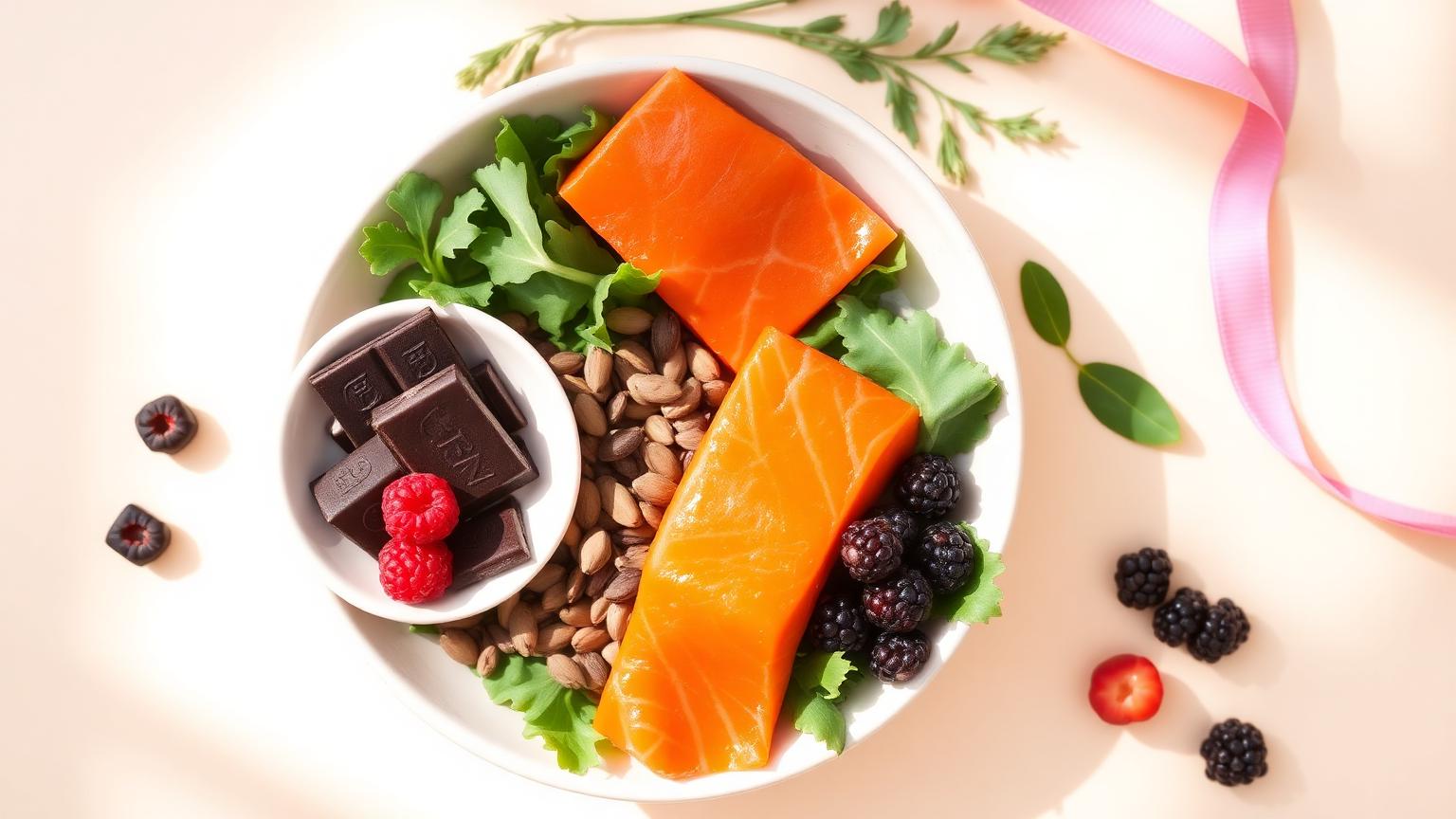
- Snack: Cucumber and celery sticks with hummus, or a small square of dark chocolate with almonds
- Dinner: Baked salmon, roasted sweet potato and sautéed greens with ginger
- Evening: Peppermint or fennel tea
Your personal triggers
Dairy, onions, garlic, wheat and other high-FODMAP foods bother some women and not others. If your bloating is persistent or you suspect a food intolerance, a registered dietitian can help you test triggers properly without cutting out more than you need to.
Magnesium for Bloating: What the Science Suggests
Why magnesium comes up for PMS
Magnesium is involved in hundreds of processes in the body, including muscle relaxation, nerve signaling and fluid balance. That's why it comes up so often in conversations about PMS cramps, mood and bloating. The Mayo Clinic lists magnesium among the supplements that may help relieve PMS symptoms.
What the research says (with caveats)
The most-cited study is a small 1998 randomized, double-blind, placebo-controlled trial. Women took 200 mg of magnesium (as magnesium oxide) daily for two cycles. Analysis of 38 women showed no benefit in the first month. In the second month, the magnesium group had a greater reduction in fluid-retention symptoms, including weight gain, swelling, breast tenderness and abdominal bloating.
There are two takeaways: the benefit took time to show up, and the study was small. Other small trials have reported mixed results, so the evidence isn't settled. The fair summary is that magnesium is promising, not proven.
Food sources
Start with your plate:
- Pumpkin seeds
- Dark leafy greens (spinach, Swiss chard)
- Nuts, especially almonds and cashews
- Legumes (black beans, edamame)
- Dark chocolate
Supplement notes
- Common forms: oxide (the form used in the 1998 study), citrate and glycinate.
- Digestive side effects: the adult upper limit for magnesium from supplements is 350 mg/day. When the US Institute of Medicine set that limit, it noted that higher supplemental doses caused cramping and diarrhea in some people. Magnesium from food doesn't count toward the limit.
- Check with a provider first if you have kidney problems, take regular medications (magnesium can interact with some antibiotics and other drugs) or are pregnant.
A Cycle-Synced Anti-Bloat Plan for Your Luteal Phase
This timeline assumes a roughly 28-day cycle. Adjust it to your own length.
| Phase | Approx. days | Focus | Try this |
|---|---|---|---|
| Early luteal | 15–21 | Build habits | Cut salt, add potassium |
| Late luteal | 22–28 | Peak bloat support | Water, walks, small meals |
| Period | 1–2 | Comfort, recovery | Warm teas, rest, gentle yoga |
Early luteal: this is your prep window. Stock potassium-rich snacks and start any magnesium plan you've discussed with your provider. Keep up regular exercise.
Late luteal and day 1: bloating often builds here and can peak around the first day of your period. Be strict about salt and fizzy drinks, eat smaller meals and keep moving.
Days 1 to 2: prostaglandins take over. Focus on warmth, easy-to-digest foods and rest. Hold off on hard workouts if your body says no.
Making it work in a busy workweek
- Batch-prep on Sunday: cut cucumbers and celery, portion out nuts and seeds, and cook a pot of lentils.
- Carry a water bottle and refill it at breaks.
- Take 10-minute walks after lunch or between calls.
- Set a phone reminder for day 15 so the plan starts before the bloat does.
- Order smart: when you eat out, ask for sauces on the side and skip the extra soy sauce or salty sides.
Where supplements can fit
Some women want extra support on top of these habits. Feme takes a cycle-synced approach. Its supplements are hormone-free, made with vitamins, minerals and naturally derived ingredients, and designed around the phases of your cycle.
- PMS SOS is Feme's targeted PMS support for the days when symptoms tend to peak. It hasn't been tested in published clinical trials, and individual results vary.
- Full Balance is the everyday foundation formula, meant to be taken across your whole cycle.
- Not sure where to start? The Feme hormone wellness quiz can help you find a fit for your symptoms.
These statements have not been evaluated by the Food and Drug Administration. These products are not intended to diagnose, treat, cure or prevent any disease. Talk to your healthcare provider before starting any supplement, especially if you're pregnant or breastfeeding, take medication or use hormonal birth control.
When Bloating Isn't Just PMS: Signs to See a Doctor
Cyclical bloating that eases within the first few days of your period is typical. Bloating that doesn't follow that pattern deserves a closer look. The Eve Appeal advises that if you feel or look constantly bloated for three weeks or more, you should see your doctor.
Red flags:
- Bloating that lasts all month, not just before your period
- Bloating that gets worse over time
- Pelvic or abdominal pain
- Feeling full quickly or losing your appetite
- Unexplained weight loss
- Changes in bowel habits
- Needing to pee more often or more urgently
- Severe swelling, or symptoms that disrupt work and daily life
Conditions worth ruling out include endometriosis, IBS, ovarian cysts and PMDD. ACOG describes PMDD as a severe form of PMS that interferes with daily life. Rarely, persistent bloating can be a sign of ovarian cancer. Target Ovarian Cancer notes that IBS symptoms often fluctuate with diet, while ovarian cancer symptoms are more persistent.
If symptoms disrupt your life, get them checked. Bring your symptom tracker to the appointment, because cycle-day notes help your doctor separate PMS from other causes faster.
The Bottom Line
If you want to stop bloating before your period naturally, start by working out your bloat type: puffy and fluid-heavy, gassy and tight, or both. Then begin your fixes early in the luteal phase. Focus on the basics with the most support: less salt, more water, potassium-rich foods, gradual fiber, daily movement and possibly magnesium.
Give it 2 to 3 cycles before you judge what's working, because consistency matters more than a last-minute scramble. Pay attention to your patterns, adjust as you go and ask for help when something feels off.
FAQ
How many days before my period does bloating start?
For many women, bloating shows up anywhere from a few days to about a week before their period. PMS symptoms in general can begin up to two weeks earlier. In a one-year study of women's cycles, fluid retention peaked around the first day of flow. It then usually eased over the next few days. Tracking your cycle shows your personal timeline.
Does drinking more water really help premenstrual water retention?
For many women, yes. It seems backward, but drinking less won't make your body let go of retained fluid. Staying well hydrated helps your kidneys clear excess sodium, especially if you're also cutting back on salt. Water, herbal teas and water-rich produce like cucumber and watermelon all count. Sip steadily through the day rather than drinking large amounts at once.
How much weight can you gain from bloating before your period?
It varies, but it's usually modest and temporary, often a pound or two of fluid. Some women notice more, especially after salty meals. This is water, not fat, and it typically fades within a few days of your period starting. Sudden or large gains should be checked by a doctor.
What is the best magnesium for period bloating, and when should I take it?
No single form is proven best. The best-known study used 200 mg of magnesium oxide daily and saw benefits only in the second cycle. That suggests consistent daily use may matter more than timing. Citrate and glycinate are other common forms. Stay within the 350 mg/day supplemental upper limit, and check with your provider first, especially if you have kidney issues or take medication.
Can birth control make period bloating better or worse?
It can go either way. Some people notice temporary fluid retention when they start hormonal birth control, which often settles within the first few months. On the other hand, birth control pills are sometimes used to manage PMS. Your response depends on the method and on your body. Talk to your prescriber before switching or stopping anything.
Is it normal to bloat every month before my period, and when should I worry?
Mild bloating that comes before your period and eases in the first few days of bleeding is common, and the steps above can help. See a doctor if bloating lasts all month or more than three weeks, or keeps getting worse. The same applies if it comes with pelvic pain, feeling full quickly, weight loss or bowel changes. Those symptoms need a prompt medical evaluation.