10 Natural Ways to Balance Hormones Without Birth Control
You want a cycle that doesn't take over your week, and you'd like to get there without hormonal contraception. This guide covers natural ways to balance hormones without birth control that have research behind them: food, movement, sleep, stress care, cycle tracking and carefully chosen supplements. It also explains what the pill actually does, how to match each habit to a phase of your cycle, and when to stop experimenting and book a doctor's appointment.
Key takeaways
- Hormonal birth control mostly works by stopping ovulation. It can quiet symptoms, but it doesn't "balance" your own hormones.
- Lifestyle changes may ease PMS. Clinicians most often recommend:
- regular aerobic exercise
- steady meals
- less salt, caffeine and alcohol
- good sleep
- Among supplements, calcium has the best evidence. Magnesium looks promising. Results for vitamin B6 are mixed.
- Start with two or three changes and give them two to three cycles before you decide whether they're working.
- Severe pain, very heavy bleeding, missed periods or mood symptoms that disrupt your life need a medical check.
The Short Answer: Can You Balance Hormones Naturally Without Birth Control?
Partly. Nutrition, exercise, sleep, stress care and some supplements may ease PMS and help your cycle feel steadier. Results vary from person to person, and none of these habits works like a switch.
It also helps to know what the pill does. The pill, patch and vaginal ring work by blocking ovulation, and progestin-only methods often prevent pregnancy in other ways. A UnityPoint doctor explains that combined pills also stabilize the uterine lining and thicken cervical mucus. That can make PMS milder, and for some women it's the right medical choice. What it doesn't do is tune your natural hormone rhythm. It replaces that rhythm for as long as you take it.
So choosing hormone-free care is a legitimate choice, not a fallback. PMS is also common: many women notice premenstrual symptoms at some point in their lives. Common doesn't mean you have to put up with it.
The 10 natural ways to balance hormones without birth control at a glance
- Eat for steady blood sugar
- Focus on PMS-relevant nutrients
- Cut back on caffeine, alcohol and salt when bloating peaks
- Move with your cycle
- Protect your sleep
- Manage stress
- Use heat, stretching and water for cramp relief
- Track your cycle
- Consider hormone-free supplements
- Work with a healthcare provider
If your symptoms are severe, see your provider before you start a do-it-yourself plan.
What "Hormone Balance" Really Means Across Your Cycle
Two hormones do most of the work in your cycle:
- Estrogen rises in the first half and peaks around ovulation.
- Progesterone climbs after ovulation.
If you don't get pregnant, both hormones fall. The drop in progesterone triggers your period.
| Phase | Typical days* | Hormone pattern | How you may feel |
|---|---|---|---|
| Menstrual | 1–5 | Both low | Tired, crampy |
| Follicular | 6–13 | Estrogen rising | More energy |
| Ovulatory | ~14 | Estrogen peaks | Some feel more social or confident |
| Luteal | 15–28 | Progesterone high, then falls | Bloated, moody, hungry |
*Based on a 28-day cycle. Technically the follicular phase begins on day 1 and overlaps with your period. Your own timing may differ.
PMS symptoms cluster in the luteal phase. Clinicians describe PMS as symptoms that occur repeatedly in the second half of the cycle and interfere with daily life. Cramps, bloating, low mood and cravings tend to build in the days before bleeding starts.
Myth check: there isn't a single "balanced" hormone level. Your hormones are supposed to rise and fall. The realistic aim is a cycle you can manage, where symptoms are mild, predictable and don't wreck your plans.
Signs your cycle may need extra support:
- Bloating, cravings or irritability that come back every month
- Energy dips that affect your work or workouts
- Mild to moderate cramps that heat or rest relieves
Signs that need medical attention:
- Pain that pain relievers don't help
- Soaking through pads or tampons every hour or two
- Missed periods without an obvious reason
- Feeling hopeless, or mood changes that harm your relationships or work
Why Some Women Choose Alternatives to Birth Control for PMS
Women look for alternatives to birth control for PMS for many reasons:
- Some had side effects.
- Some want to know what their natural cycle is like.
- Some are planning a pregnancy.
- Some simply prefer to avoid synthetic hormones.
What coming off the pill can feel like
Stopping the pill can bring some surprises. Many people get a period within a few weeks of stopping. Cravings and bloating may return as natural PMS comes back. Some women notice heavier periods, skin changes or headaches as their own hormones take over again.
Off the pill PMS: realistic timelines
Give yourself time. Ovulation and bleeding patterns can take a few months to settle, and irregular bleeding is common at first. Take a pregnancy test and see your provider if both of these apply:
- you used the pill, patch or ring
- you haven't had a period about three months after stopping
Tracking helps a lot in these months. You'll see your real baseline instead of guessing.
Important: talk to a healthcare provider before you change contraception, and use another form of protection if you don't want to get pregnant.
Nutrition Habits That Support a Calmer Cycle
Food won't rewrite your hormones, but it can make PMS easier to manage.
Keep blood sugar steady. Include protein, fiber and healthy fats at every meal. This may soften luteal-phase cravings and afternoon crashes. Smaller, more frequent meals are a common clinical suggestion. ACOG also advises limiting salt to help with bloating.
Prioritize nutrients often discussed for PMS:
- Calcium: A nutrition review found convincing evidence that 1,000–1,200 mg a day reduces many PMS symptoms. Good sources are dairy, fortified plant milks, tofu and leafy greens.
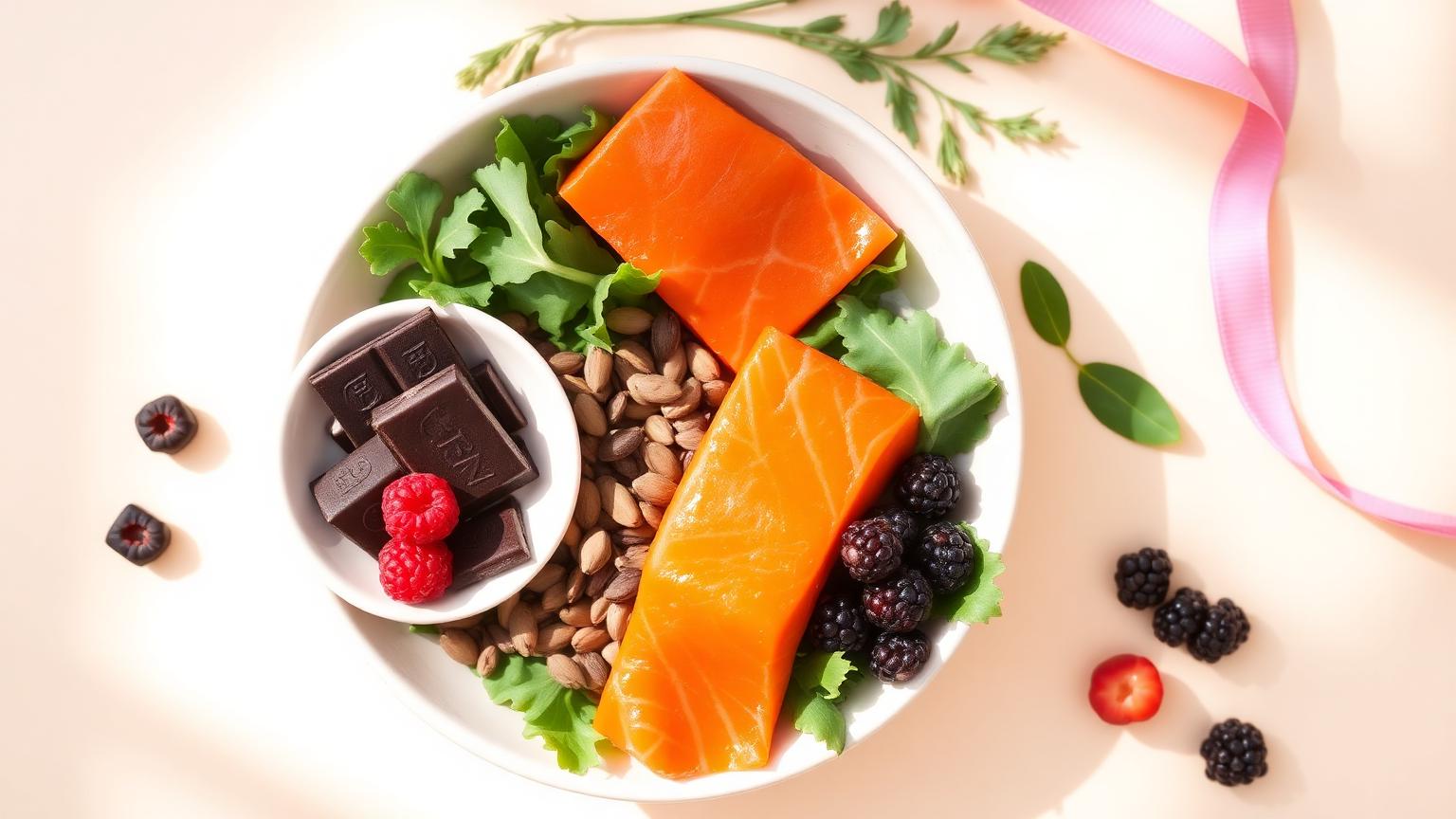
- Magnesium: The same review describes magnesium as promising, though the evidence is weaker than for calcium. Look to nuts, seeds, legumes and dark chocolate.
- Vitamin B6: Trials have had conflicting results, and long-term high doses can cause nerve symptoms. Get it from food or follow label doses.
- Zinc: Found in seafood, legumes, meat and whole grains.
- Iron: Especially important during your period if your flow is heavy. Sources include red meat and lentils. Spinach also works if you pair it with vitamin C.
Cut back when bloating peaks. ACOG suggests limiting caffeine and alcohol to manage PMS. Salt encourages water retention, so watch processed snacks and canned foods.
| Phase | Food focus | Easy ideas |
|---|---|---|
| Menstrual | Iron, warmth | Lentil soup, stews |
| Follicular | Fresh, light | Salads, eggs, grains |
| Ovulatory | Fiber, antioxidants | Berries, veggies, fish |
| Luteal | Magnesium, complex carbs | Oats, nuts, sweet potato |
None of this is a diet. If you crave chocolate before your period, eat the chocolate, maybe with a handful of almonds alongside.
Movement, Sleep and Stress: The Lifestyle Trio
Cycle-synced movement
Exercise has reasonable support for PMS. Reviews of randomized trials suggest exercise may help, though many of those trials are small or at risk of bias. ACOG notes that regular aerobic exercise lessens PMS symptoms for many women and recommends exercising all month, not only when symptoms show up.
A cycle-synced approach could look like this:
- Menstrual: walks, gentle yoga, stretching
- Follicular: strength training, new classes
- Ovulatory: higher-intensity sessions such as HIIT, sprints or heavy lifts, if you feel up to it
- Luteal: moderate cardio and Pilates, easing off as your period approaches
Consistency matters more than matching every workout to the right phase.
Sleep
Poor sleep makes cravings, irritability and fatigue worse, and those are the same symptoms PMS brings. If you're busy, protect a few basics, especially in the luteal phase:
- Keep a consistent wake time.
- Put screens away 30 minutes before bed.
- Keep your room cool and dark.
Stress and cortisol
Stress is commonly linked with worse PMS symptoms, and chronic stress may also disrupt your cycle. A few quick ways to reset:
- Two minutes of slow breathing, with your exhale longer than your inhale
- Progressive muscle relaxation before bed
- Firmer boundaries during your luteal week, so you say no to optional plans
- Five-minute breaks away from your screen
Cramp-comfort tools
Use a heating pad or warm bath and try gentle hip and lower-back stretches. Drink water steadily; some women find staying hydrated helps with bloating. For stronger cramps, ACOG notes that NSAIDs such as ibuprofen can help.
Track Your Cycle to Plan Smarter, Not Harder
Tracking turns "I always feel awful at some point" into "I feel drained on days 24 to 27." Once you know that, you can plan for it.
What to log each day:
- Cycle day and bleeding (flow, spotting)
- Energy from 1 to 5
- Mood and irritability
- Cravings and appetite
- Sleep quality
- Physical symptoms (cramps, bloating, headaches, breast tenderness)
Use an app or a simple journal. After two or three cycles, patterns tend to show up. Then you can:
- schedule big presentations and hard workouts in your follicular and ovulatory weeks
- keep your late luteal days lighter
Your logs also make appointments more useful. Massachusetts General Hospital's women's mental health center encourages daily charting of premenstrual symptoms. Charting helps judge whether treatment is working and gives women a sense of control.
If you'd rather not start from a blank page, the Feme hormone wellness quiz is a quick way to see which symptoms stand out for you.
Hormone-Free Supplements for Cycle Support
Supplements can fill gaps, but they don't replace the habits above. When you compare options, look for:
- Hormone-free formulas made with vitamins, minerals and naturally derived ingredients
- Clear labels that list every ingredient and dose
- Phase-relevant nutrients such as calcium, magnesium and B vitamins
- Realistic claims, not promises to "fix" your hormones
Feme builds its range around the four cycle phases, and every formula is hormone-free:
| Product | Best for | When |
|---|---|---|
| Full Balance | Daily foundation | All four phases |
| PMS SOS | Targeted PMS support | Premenstrual days |
| Sweet Balance | Sugar cravings | Luteal phase |
| Mojo | Energy and desire | When energy dips |
- Full Balance is the everyday base: one routine that covers the whole cycle.
- PMS SOS is meant for the days when symptoms build. Feme reports results from a consumer test on the product page. A consumer test isn't a clinical trial, so treat it as user feedback, not proof.
- Sweet Balance is designed for luteal-phase sugar cravings.
- Mojo may support energy and desire when either one drops.
Results vary from person to person.
Supplement disclaimer: These products are not intended to diagnose, treat, cure or prevent any disease. Check with a healthcare provider before starting if any of these apply:
- you take medication or use hormonal birth control
- you are pregnant or breastfeeding
- you have severe symptoms
Putting It Together: Natural Ways to Balance Hormones Without Birth Control, Phase by Phase
| Phase | Food | Movement | Self-care |
|---|---|---|---|
| Menstrual | Iron-rich, warm meals | Walks, yoga | Heat, rest |
| Follicular | Fresh, protein-rich | Strength, new classes | Plan big projects |
| Ovulatory | Fiber, colorful produce | High intensity | Social time |
| Luteal | Magnesium, complex carbs | Moderate cardio | Sleep, boundaries |
| Phase | Optional supplement focus |
|---|---|
| All phases | Full Balance |
| Luteal / premenstrual | PMS SOS, Sweet Balance |
| Low energy or desire | Mojo |
Start small. Pick two or three changes, for example protein at breakfast, a daily walk and symptom tracking. Trying all ten at once is hard to sustain.
Be patient. Each cycle gives you one round of data, so give new habits two to three cycles before you judge them.
When to See a Doctor About PMS or Cycle Symptoms
Natural approaches can work alongside medical care, but they can't diagnose anything. See a provider if you notice:
- Severe pain that pain relievers don't touch, or pain during sex or bowel movements
- Very heavy bleeding, or periods lasting more than seven days
- Missed or very irregular periods
- Mood symptoms that disrupt work, relationships or daily life
- Any thoughts of self-harm. Seek help right away.
Conditions that need medical care include:
- PMDD: A severe form of premenstrual disorder that affects a small share of menstruating people. ACOG guidance strongly recommends SSRIs as a treatment option.
- Endometriosis: Can cause severe pain that's often dismissed as "just bad cramps."
- PCOS: Often involves irregular periods, acne or excess hair growth.
- Thyroid issues: Can change cycle length, energy and mood.
How to speak up for yourself:
- Bring two or three months of tracking notes.
- Describe how symptoms affect your life, not only how they feel. For example: "I miss two workdays a month."
- Ask what's being ruled out.
- If you feel brushed off, get a second opinion.
FAQ
Can you balance your hormones naturally without birth control?
You can't fine-tune hormone levels with lifestyle alone, and there's no single "balanced" number to hit. Several habits may ease PMS and help your cycle feel more manageable:
- steady meals
- regular exercise
- good sleep
- stress care
- nutrients like calcium and magnesium
Results vary, so track changes over two to three cycles. See a provider if symptoms are severe.
What helps PMS if I don't want to take the pill?
Start with what clinicians recommend:
- regular aerobic exercise
- smaller, balanced meals
- less salt, caffeine and alcohol
- better sleep
Calcium has the strongest evidence of any supplement, and magnesium looks promising. Heat and NSAIDs can help with cramps. If symptoms disrupt your work or relationships, ask a provider about non-hormonal medical options. These include SSRIs, which ACOG guidance strongly supports.
How long does it take for hormones to settle after stopping birth control?
Many people get a period within a few weeks of stopping the pill. Cycles often settle within a few months, though ovulation can take longer to become regular for some, so irregular bleeding is common at first. If you've had no period about three months after stopping the pill, patch or ring, take a pregnancy test and see your provider.
Which vitamins and minerals are commonly used for hormone-free PMS relief?
- Calcium has the best evidence: a large trial found 1,200 mg a day reduced both physical and emotional PMS symptoms.
- Magnesium may help.
- Vitamin B6 results are mixed, and high doses taken long term can cause nerve problems.
- Zinc and vitamin D also come up.
- Iron matters if you bleed heavily.
Start with food, and check doses with a provider.
Is cycle syncing actually worth trying for PMS symptoms?
It can be, as long as you treat it as a planning tool rather than a cure. There's little research on cycle syncing as a formal method. Its building blocks have more research behind them:
- regular exercise
- balanced meals
- sleep
- symptom tracking
For many women, the biggest benefit is seeing tough days coming and planning around them.
Can I take cycle-support supplements while on birth control or other medication?
Possibly, but check first. Some vitamins, minerals and plant-based ingredients can interact with medications or affect how well they're absorbed. These include hormonal contraceptives, antidepressants and thyroid medicine. Show the supplement label to your doctor or pharmacist before you start. Do the same if you're pregnant, breastfeeding or managing a health condition. Hormone-free doesn't automatically mean it won't interact with anything.