Period Cramp Relief Without Ibuprofen: 8 Options Worth Trying
Maybe ibuprofen upsets your stomach. Maybe your doctor told you to avoid it, or you'd simply prefer a gentler monthly routine. Either way, period cramp relief without ibuprofen is possible. Some options have solid research behind them; others are still emerging. This guide rates each non-NSAID option by the strength of its evidence, how fast it may work and who it suits. Then it shows you how to combine them into a phase-by-phase plan, so you're prepared before day one instead of scrambling once it arrives.
Key takeaways
- Heat has some of the best evidence for fast relief. A meta-analysis in Scientific Reports found heat compared well with pain medication, though the trials were small.
- Exercise, ginger and TENS have encouraging but lower-certainty evidence. Magnesium, vitamin D and omega-3s have promising but limited data.
- Combining two or three low-risk options is a reasonable strategy when one alone isn't enough.
- Planning ahead helps. Exercise and nutrient strategies are usually studied over weeks or whole cycles, not just on day one.
- Severe or worsening pain deserves a doctor's visit.
This article is for education only and isn't medical advice. Talk to a healthcare provider about severe symptoms, regular medication or birth control.
The Quick Answer: Best Options for Period Cramp Relief Without Ibuprofen
Here's the short list: heat, TENS, ginger and anti-inflammatory foods, magnesium and other nutrients, movement and yoga, acupressure and massage, a cycle-synced supplement routine, and non-NSAID medication guided by your doctor.
Speed and evidence
| Option | How fast it may work | Evidence |
|---|---|---|
| Heat therapy | Minutes | Good |
| TENS unit | Minutes | Limited |
| Ginger | Hours to days | Moderate |
| Magnesium and other nutrients | Over 1 to 3 cycles | Emerging |
| Exercise and yoga | Over weeks | Moderate |
| Acupressure | Minutes to hours | Emerging |
| Cycle-synced supplements | Over cycles | Limited |
| Acetaminophen | Usually within an hour | Limited |
Evidence ratings summarize the research described below. Most studies in this area are small.
Cost and who it suits
| Option | Cost | Best for |
|---|---|---|
| Heat therapy | Low | Everyone, workdays |
| TENS unit | Medium (one-time) | Frequent strong cramps |
| Ginger | Low | Food-first fans |
| Nutrients | Low to medium | Prevention planners |
| Exercise and yoga | Free | Long-term relief |
| Acupressure | Free | Quick, private relief |
| Cycle-synced supplements | Medium | People who like a routine |
| Acetaminophen | Low | People who can't take NSAIDs |
Painful periods are very common. Dysmenorrhea affects an estimated 50 to 90% of adolescents and women of reproductive age. Common doesn't mean you should just put up with it, though. You deserve options that fit your body.
Why Cramps Hurt and Why Some Women Skip Ibuprofen
Cramps are mostly caused by prostaglandins. According to ACOG, these natural chemicals are made in the lining of the uterus and cause its muscles and blood vessels to contract. Prostaglandin levels are highest on the first day of your period and drop as bleeding goes on. That's why day one often feels like the worst.
NSAIDs such as ibuprofen work by reducing prostaglandins, which is why doctors often suggest them first. Many women still skip them for good reasons:
- Stomach sensitivity, ulcers or reflux
- Kidney concerns
- Asthma that NSAIDs can trigger in some people
- Interactions with blood thinners or other medications
- Wanting a gentler approach that doesn't mean taking painkillers every month
What non-NSAID cramp relief can and can't do. The options below may soothe pain, relax muscles, block pain signals or support your body over time. Most won't lower prostaglandins as directly as an NSAID does. Expect "noticeably better," not "instantly gone."
If you take regular medication or use hormonal birth control, check with a healthcare provider or pharmacist before adding supplements.
Heat Therapy and TENS: Fast, Drug-Free Relief
1. Heat therapy for cramps
Heat is one of the simplest and best-studied home remedies, and ACOG lists a heating pad among the things to try. A systematic review and meta-analysis of six randomized trials found heat eased menstrual pain more than unheated placebo patches. On some measures it was comparable to NSAIDs, and in one trial it outperformed acetaminophen. The trials were small. Much of the research tested continuous, low-level heat of about 40°C worn for hours, rather than short bursts of high heat.
Practical formats:
- Stick-on heat patches: discreet under work clothes and good for all-day, low-level warmth
- Electric heating pads: strong relief on the sofa
- Hot water bottles: cheap and easy to refill
- Warm baths or showers: relax your whole body before bed
Safety tips: put fabric between the heat and your skin, follow the package directions, and never fall asleep on a plugged-in pad. Skip high heat if you have reduced sensation or diabetes-related nerve issues.
2. TENS units
A TENS unit is a small device that sends mild electrical pulses through sticky pads on your skin. The pulses are meant to interrupt pain signals. A Cochrane review of TENS for primary dysmenorrhea, summarized by AAFP, concluded that high-frequency TENS may reduce pain compared with placebo without increasing side effects. The certainty of that evidence is low, so better trials are still needed.
What to look for: adjustable intensity and frequency, a rechargeable battery, replaceable pads and a compact size for wearing under clothes.
Skip TENS if you have a pacemaker or another implanted electrical device, or if you are or might be pregnant, unless your doctor approves it. Don't place pads on broken skin.
Best for: busy workdays, sudden flare-ups and on-the-go relief.
Ginger for Period Pain and Other Anti-Inflammatory Foods
3. Ginger and friends
Ginger for period pain has better research than most kitchen remedies. One meta-analysis found ginger reduced pain severity more than placebo. In a small number of head-to-head trials, it appeared comparable to NSAIDs. It didn't appear to shorten how long the pain lasted. The studies were small and varied, and the authors called for higher-quality trials.
Practical forms:
- Fresh ginger tea: steep grated root in hot water
- Capsules: easier to dose consistently
- Chews: handy for your desk drawer
Trials have often used about 750 to 2,000 mg of ginger powder a day during the first three to four days of the period. Cautions: ginger may raise bleeding risk if you take blood thinners, and it can trigger heartburn if you have reflux.
Other foods with emerging evidence: cinnamon, fennel and turmeric have each shown promise in small studies. None is proven, so think of them as tasty extras, not a treatment.
Eating tips for the days before your period:
- Go easy on very salty foods, which can worsen bloating
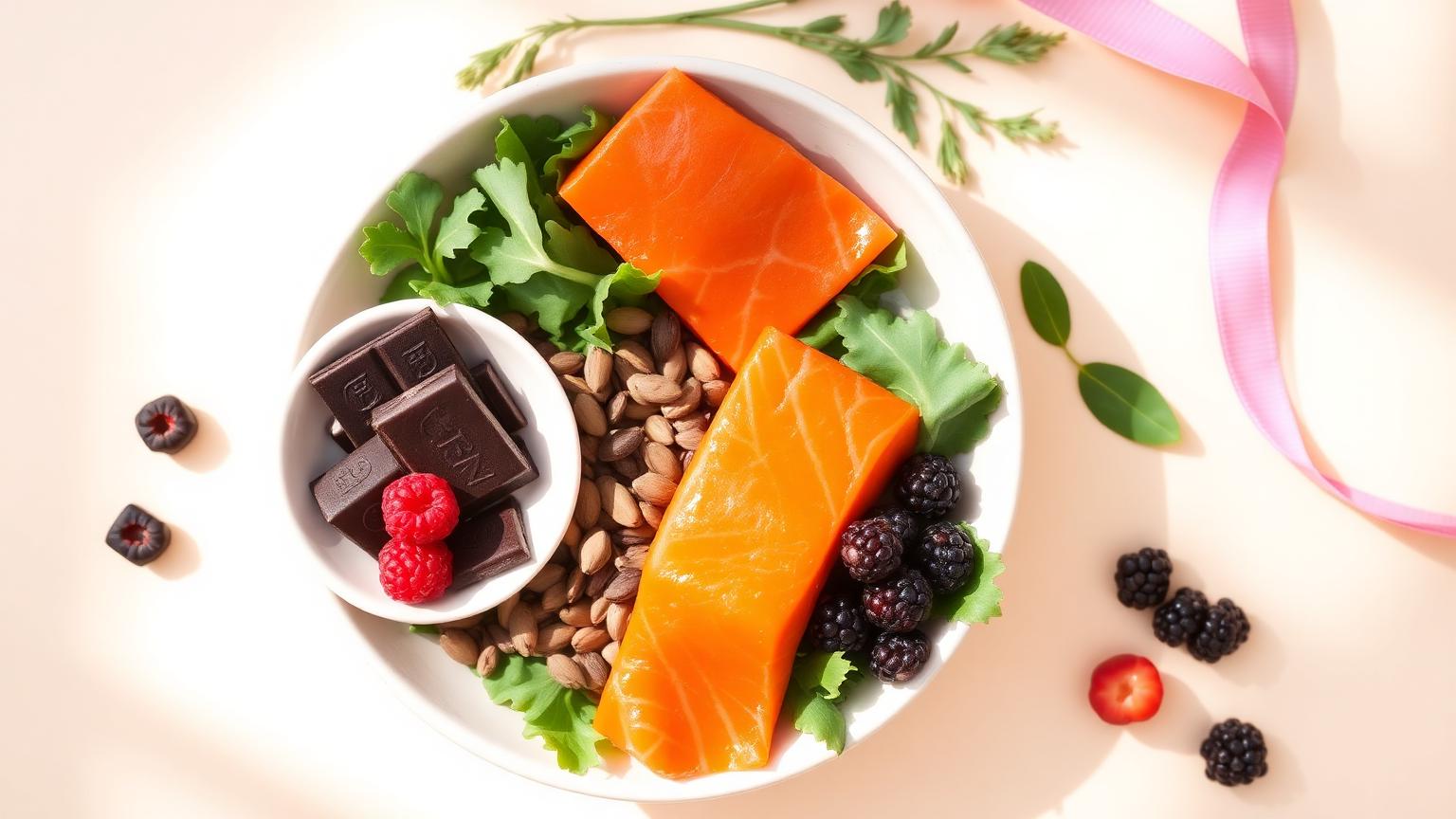
- Add omega-3s: salmon, sardines, walnuts and chia
- Stay hydrated. Water and warm herbal teas both count
Magnesium, Vitamin B1 and Other Nutrients Linked to Cramp Relief
4. Targeted nutrients
Magnesium helps muscles relax and may influence prostaglandin activity. Researchers have proposed that it acts on calcium channels or lowers prostaglandin F2-alpha, though those mechanisms aren't confirmed. Several small trials have reported less pain with magnesium. These include an early placebo-controlled study and more recent trials in students and college students. Doses, forms and timing varied from trial to trial. The results are encouraging but not definitive, and any benefit may take a few cycles to show.
ACOG also notes that some studies suggest vitamin E, omega-3 fatty acids, vitamin B1 (thiamine), vitamin B6 and magnesium may reduce period pain. Here's what we know about several of them:
- Vitamin D: studies have linked low vitamin D to more painful periods, and a systematic review found supplements may reduce pain. A recent review of micronutrients highlights important gaps in that evidence.
- Omega-3s: a meta-analysis found a modest benefit.
- Vitamin B1 (thiamine) and vitamin E: a handful of small trials suggest benefit, but the evidence is thin.
| Nutrient | Food sources | Evidence | Safety note |
|---|---|---|---|
| Magnesium | Nuts, seeds, greens | Emerging | Can loosen stools |
| Vitamin D | Sun, oily fish, eggs | Emerging | Test levels first |
| Omega-3s | Salmon, walnuts, chia | Emerging | Talk to your doctor if on blood thinners |
| Vitamin B1 | Whole grains, legumes | Limited | Generally well tolerated |
| Vitamin E | Almonds, sunflower seeds | Limited | High doses affect clotting |
Respect the upper limits. The NIH sets the upper limit for supplemental magnesium at 350 mg a day for adults unless a clinician recommends more. Magnesium from food doesn't count toward that limit. Higher supplement doses often cause diarrhea and stomach upset, and people with kidney problems should check with a provider before taking magnesium. Ask your provider to test your vitamin D before you take high doses.
Movement, Yoga, Acupressure and Other Body-Based Options
5. Exercise and yoga
A Cochrane review of 12 studies with 854 women found that exercise may provide a large reduction in period pain intensity. The benefit appeared with both low-intensity exercise, such as yoga, and high-intensity exercise, such as aerobics. The evidence was rated low quality, mainly because the trials were small (AAFP summary). Newer research points the same way, including a recent meta-analysis and a 2024 network meta-analysis comparing exercise types. The trials tested regular exercise over several weeks, so consistency across your cycle matters more than moving only on bad days.
Gentle poses for cramp days:
- Child's pose: knees wide, forehead down, breathe into your lower back
- Cat-cow: slow spinal waves to loosen your pelvis
- Supine twist: lie on your back and let your knees fall to one side
- Legs up the wall: rest for a few minutes and breathe slowly
6. Acupressure, massage and orgasm
Acupressure: SP6 is the most-studied point. To find it, measure four finger-widths above your inner ankle bone, just behind your shinbone, and press firmly for a few minutes. A systematic review found SP6 acupressure reduced pain, but the studies were low quality. The evidence is mixed, but the risk is very low, so it's reasonable to try.
Massage: a slow abdominal massage with warm oil, in clockwise circles, can feel soothing. Pair it with heat.
Orgasm: let's talk about it. Some women find that an orgasm, solo or partnered, eases cramps. There's a plausible reason, since uterine contractions are followed by relaxation and feel-good chemicals. Rigorous studies are lacking, but if it helps you, it counts.
Sleep and stress matter. Poor sleep and high stress can make cramps feel stronger. Try a wind-down routine: dim the screens an hour before bed, take a warm shower, do five minutes of slow breathing and keep a regular bedtime.
7. A Cycle-Synced Supplement Routine: Where Feme Fits In
Most cramp advice starts on day one, which is already the hardest day. Cycle syncing takes a different approach: support your body across all four phases so you go into your period better prepared. Research on cycle syncing itself is limited, so treat it as a way to organize your routine rather than a proven treatment.
Feme builds its range around this idea. The brand says all of its products are hormone-free and made with vitamins, minerals and naturally derived ingredients.
- PMS SOS is a targeted chew for the days leading up to your period. It's designed to support you through PMS-phase discomfort. Feme reports results from a consumer test with 46 women, and you can read the details on the product page. A consumer test isn't a clinical trial, and individual results vary.
- Full Balance is the daily foundation formula, taken throughout your cycle. The two are also sold together as a duo.
- Sweet Balance is designed for people whose luteal-phase sugar cravings derail them.
- Not sure where to start? The hormone wellness quiz offers personalized guidance.
These statements have not been evaluated by the Food and Drug Administration. These products are not intended to diagnose, treat, cure or prevent any disease. Check with your healthcare provider before use, especially if you take medication, use birth control, are pregnant or have severe symptoms.
8. Non-NSAID Medical Options to Discuss With Your Doctor
Acetaminophen (paracetamol, Tylenol) isn't an NSAID. It works mainly through the central nervous system and has a weaker effect on prostaglandins, so it's often milder for cramps. It's still a useful option if NSAIDs are off the table. Stay within the label's daily maximum. Check cold and flu products for hidden acetaminophen, and ask your doctor first if you drink alcohol regularly or have liver problems.
Hormonal and prescription options. ACOG notes that hormonal birth control can treat painful periods. That includes combined pills, patches and rings, as well as progestin-only methods such as the implant or a hormonal IUD. Whether to use them is your choice, made with a provider who listens to you.
Bring a symptom log. Write down pain scores, which days the pain happens, how heavy your bleeding is and what you've tried. Clear records help you advocate for yourself and get taken seriously.
Build Your Plan for Period Cramp Relief Without Ibuprofen by Cycle Phase
Here's how to put natural remedies for menstrual cramps into a routine:
Follicular phase (after your period)
- Build a movement habit of three or more sessions a week
- Take daily foundations, such as nutrient-rich meals or a daily formula
- Prioritize sleep
Ovulatory phase
- Keep up the movement and foundations
- Eat omega-3 foods a few times a week
Luteal phase (the week or two before your period)
- Add magnesium-rich foods or a supplement within safe limits
- Start PMS-phase support, such as PMS SOS
- Cut back on salt and drink more water
- Stock up on heat patches and ginger
Menstrual phase
- Use continuous heat on days one to three
- Take ginger during the first three to four days
- Do gentle yoga and rest
- Use TENS or SP6 acupressure for flare-ups
Starter combination: heat, ginger and gentle yoga.
Stronger stack for heavy-cramp days: heat and TENS together, ginger, magnesium through the luteal phase (within the 350 mg supplement limit), and acetaminophen if needed.
Track your symptoms for two to three cycles before deciding what works. Many approaches build up over time.
When Cramps Need a Doctor, Not Just a Remedy
See a healthcare provider if you have:
- Pain that stops you from working, studying or living your life
- Pain that gets worse from cycle to cycle
- Very heavy bleeding, such as soaking a pad or tampon every hour for several hours in a row, or passing large clots
- Pelvic pain outside your period
- Pain during sex
- Fever along with pelvic pain
- Severe cramps that started suddenly later in life
These can be signs of secondary dysmenorrhea, which is pain caused by an underlying condition. In endometriosis, tissue similar to the uterine lining grows outside the uterus. In adenomyosis, that tissue grows into the uterine muscle. Fibroids are non-cancerous growths in the uterus. All three are treatable, and all deserve a proper investigation.
You know your body. Asking for answers is self-advocacy, not overreacting.
FAQ
What is the fastest way to relieve period cramps without ibuprofen?
Continuous heat is usually the fastest option. A heating pad, stick-on patch or hot water bottle can bring relief within minutes, and research suggests it compares well with some pain medication. A TENS unit also works quickly. For stronger relief, combine heat with gentle stretching or SP6 acupressure. If you need medication, acetaminophen is a non-NSAID option, though it's usually milder for cramps.
Does ginger work as well as ibuprofen for period cramps?
In a few small trials, ginger appeared comparable to NSAIDs at reducing pain severity, and it beat placebo. However, the studies were small and varied in quality, so researchers want better trials before drawing firm conclusions. Trials typically started ginger at the beginning of the period and continued it for the first few days.
How much magnesium should I take for menstrual cramps?
There's no established dose for cramps. Trials have used different doses, forms and timing. The NIH sets the adult upper limit for supplemental magnesium at 350 mg a day unless a clinician advises otherwise. Magnesium from food doesn't count toward that limit. Higher supplement doses commonly cause diarrhea. Check with your provider first, especially if you have kidney problems or take medication.
Is acetaminophen (Tylenol) good for period cramps?
Acetaminophen can help, but it's usually milder than NSAIDs for cramps because it has a weaker effect on prostaglandins. It's a reasonable choice if you can't take ibuprofen. In one trial, a continuous heat wrap outperformed it, so pairing the two is a sensible option. Stay within the label's daily maximum, watch for hidden acetaminophen in combination products, and ask your doctor if you have liver concerns.
Can I take cramp supplements while on birth control?
Many vitamin and mineral supplements are generally considered compatible with birth control, but check with your healthcare provider or pharmacist before combining them. Some herbs, notably St. John's wort, can interfere with hormonal contraception. Bring your full supplement list to appointments so your provider can spot any interactions and tailor advice to your health history.
How long does it take for natural remedies for menstrual cramps to work?
It depends on the remedy. Heat, TENS and acupressure can help within minutes. Ginger usually works within hours to days when started early in your period. Magnesium, vitamin D, omega-3s, exercise and cycle-synced routines build up gradually, so give them two to three cycles. Track your symptoms throughout so you can judge what actually helps your body.
This article is educational, not medical advice. Consult a healthcare provider about medications, birth control or severe symptoms.