Low Libido Before Your Period: Causes and What Actually Helps
Low libido before your period is something many women notice and few talk about. One week you feel magnetic. The next, you'd pick a heating pad and an early night over almost anything.
That dip is real, and it has real causes: shifting hormones, PMS fatigue, bloating and mood changes. This Q&A walks through what happens in each phase, why desire can flatten in the late luteal phase, and what may help.
Key takeaways
- Desire often peaks around ovulation and dips in the luteal phase. Daily-diary research links higher estradiol to more desire and higher progesterone to less.
- No sex drive during PMS is often about symptoms like cramps, bloating, poor sleep and low mood, not hormones alone.
- Tracking your cycle for two to three months shows your personal pattern, so you can plan around it.
- Sleep, steady blood sugar, movement, comfort-focused intimacy and honest talk with a partner can all help.
- Low desire most of the month, pain during sex or severe premenstrual mood symptoms are worth raising with a doctor.
Is It Normal to Have Low Libido Before Your Period?
Yes, it's common. Many women notice their desire fades in the days before their period. The American College of Obstetricians and Gynecologists lists "changes in sexual desire" among the emotional symptoms of PMS, alongside irritability, anxiety and insomnia.
Common doesn't mean you have to grin and bear it, though. Once you know what's driving the dip, you can do something about it.
The main drivers usually include:
- Progesterone rising after ovulation, then falling right before your period
- Estrogen and testosterone falling from their mid-cycle highs
- PMS fatigue and patchy sleep
- Physical discomfort such as bloating, cramps and breast tenderness
- Mood changes such as irritability, anxiety or feeling low
Libido varies a lot from woman to woman. Some women feel more turned on before their period, perhaps because of pelvic fullness or feeling relaxed about pregnancy risk. Both patterns are valid. Your normal is the one you notice month after month.
The things that may help are all covered below: cycle tracking, better sleep, blood-sugar-friendly food, movement, honest communication and targeted, hormone-free support.
Supplements are not intended to diagnose, treat, cure or prevent any disease. If low desire is persistent or distressing, talk to a healthcare provider.
What Happens to Your Libido in the Luteal Phase?
Here's the simple version. Desire often rises through the follicular phase, peaks around ovulation, then softens in the luteal phase.
In a study that tracked hormones and daily diaries, Roney and Simmons found three things:
- Estradiol positively predicted sexual desire.
- Progesterone consistently predicted less desire.
- Desire peaked mid-cycle.
A follow-up study of partnered women found that higher progesterone predicted lower desire, including desire for their own partners.
Early vs late luteal phase
The luteal phase isn't one flat stretch.
- Early luteal (just after ovulation): Progesterone climbs and estrogen dips, then rises a little again. Many women feel calmer, sometimes sleepier.
- Late luteal (the week before your period): Progesterone and estrogen both fall. PMS symptoms typically appear in the luteal phase, often in the one to two weeks before menstruation, and they tend to be strongest just before bleeding starts.
These effects stack up, which is why the final days before your period can feel the flattest. Your hormones are lower, your body may feel puffy or achy, and your sleep may be off.
Typical timeline
Textbook cycles last 28 days, but real cycles vary. An analysis of more than 600,000 cycles found an average cycle of 29.3 days and an average luteal phase of 12.4 days, with a wide normal range. Treat the days below as a rough guide.
| Phase | Approx. days | Hormone picture | Typical libido |
|---|---|---|---|
| Menstrual | 1–5 | All low | Varies |
| Follicular | 6–13 | Estrogen rising | Building |
| Ovulatory | 14–16 | Estrogen, testosterone peak | Often highest |
| Luteal | 17–28 | Progesterone high, then falls | Often lower |
This fits a four-phase approach to cycle syncing. Instead of expecting the same energy every week, you match your plans, food, workouts and expectations to each phase.
How Do Progesterone and Libido Interact?
Progesterone and libido have a fairly well-documented relationship, though it isn't identical for everyone.
Progesterone's calming effect. Progesterone has a soothing, slightly sedative quality. That can help with sleep, but it may also lower energy and arousal for some women. In a 2022 daily study, within-person estradiol predicted higher desire and progesterone predicted lower desire. That study didn't find the same hormonal link for physical arousal. This suggests wanting and responding aren't always the same thing.
Lower estrogen after ovulation. Estrogen supports mood, energy and vaginal lubrication. When it drops after ovulation and again before your period, some women notice lower interest, a flatter mood or less comfort during sex.
Testosterone's small but real role. Women make testosterone too, and it plays a part in desire. A study in Fertility and Sterility found total and free testosterone varied significantly across the cycle, peaking mid-cycle. Still, a 2024 study using saliva found only a slight average trend and considerable individual differences. Your own pattern may not match the average.
Mood and serotonin. Researchers think some women are more sensitive to the premenstrual fall in estrogen and progesterone. This may affect brain chemistry, including serotonin. For those women, mood can dip sharply before a period, and desire often follows.
The honest bottom line: research is mixed, studies are small and individual responses differ. Hormones set the stage, but they aren't the whole story.
Why Does PMS Kill Your Sex Drive?
Often, no sex drive during PMS has less to do with hormones directly and more to do with how you feel in your body. It's hard to feel sexy when your jeans are tight, your breasts hurt and your lower back aches.
ACOG's list of physical PMS symptoms includes breast tenderness, bloating, headache, aches and pains, and fatigue. Each of these can push desire down.
Body image. Feeling puffy or bloated can make you want to hide, not be touched. That's a normal reaction, and it usually eases once your period starts.
Mood shifts. Irritability, anxiety and low mood can make closeness feel like one more demand. When you feel touched-out or short-tempered, intimacy is rarely appealing.
Sleep. Premenstrual hormone shifts can affect body temperature and disrupt sleep. In one 2025 study of young women, poorer sleep quality was linked to more severe PMS symptoms, including fatigue and lack of energy.
| Symptom | How it hits desire | Quick idea |
|---|---|---|
| Cramps | Pain overrides interest | Heat, gentle movement |
| Bloating | Feels uncomfortable | Less salt, more water |
| Breast tenderness | Touch feels sore | Avoid that area |
| Irritability | Less wish for closeness | Name it, take space |
| Poor sleep | Drains energy | Cooler room, set bedtime |
Is PMS Fatigue Behind Your Low Desire?
Very often, yes. PMS fatigue and desire are closely linked, and when your energy is low, libido is often one of the first things to fade.
Common contributors include:
- Poor sleep in the late luteal phase, as covered above.
- Blood sugar swings from luteal cravings. A sugary snack gives you a quick lift, then a crash that leaves you drained.
- Low iron or other nutrient gaps, especially if you have heavy periods. Ask your provider about checking iron and ferritin if you're always tired.
- Stress and packed schedules. A premenstrual week full of deadlines leaves little room for anything else.
Practical energy habits that may help:
- Keep a consistent sleep window, even on weekends, and keep your bedroom cool.
- Build protein-forward meals with fiber and healthy fats to steady blood sugar.
- Choose gentle movement, like walks, yoga or Pilates, when hard workouts feel like too much.
- Plan lighter weeks around your cycle. When you can, put big presentations or packed social plans earlier in your cycle.
- Cap caffeine and alcohol in the evenings, since both can chip away at sleep.
What Actually Helps Low Libido Before Your Period?
Easing low libido before your period starts with knowing your pattern. Then you can tackle each driver one at a time.
1. Track for two to three months
Log your cycle day, energy, mood, physical symptoms and desire on a 1 to 5 scale. After two or three cycles, many women see clear patterns, such as "desire drops around day 23" or "it's worse when I sleep badly." That information is useful for planning and for any doctor's visit.
2. Pull the lifestyle levers
- Sleep: Aim for steady, sufficient sleep, especially in the week before your period.
- Balanced meals: Pair carbs with protein to soften cravings and crashes.
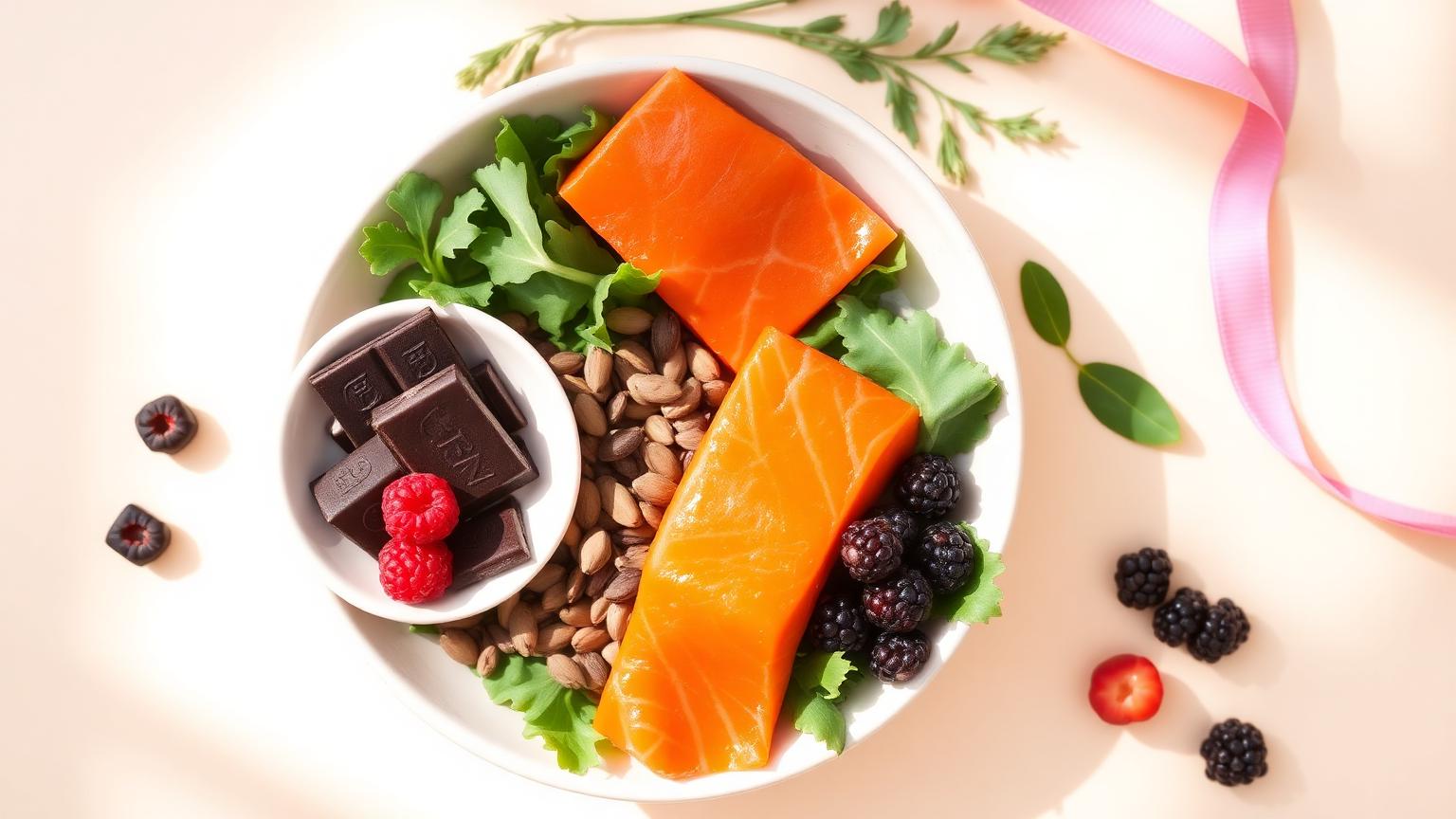
- Magnesium-rich foods: Think leafy greens, nuts, seeds, beans and dark chocolate. A review on magnesium and PMS notes that some studies suggest magnesium may be a useful non-drug option for PMS.
- Movement: Regular activity supports mood, sleep and circulation.
- Stress relief: Even 10 minutes of breathing, journaling or a walk outside counts.
3. Ease physical symptoms
The more comfortable you feel in your body, the easier it is to want to be touched. Heat for cramps, a little less salt for bloating and a supportive bra for sore breasts can make a real difference.
4. Reframe intimacy in the luteal phase
Intimacy doesn't have to look the same all month. Try:
- Slower, comfort-focused touch, like massage, cuddling or a bath together.
- Lubricant, since lower estrogen can mean less natural lubrication.
- Honest talk. Something like "I'm in my low-energy week, so let's keep it cozy" helps your partner understand it's not about them.
5. Plan by phase
Lean into connection when your energy is naturally higher, often around ovulation. Go easier on yourself premenstrually. Planning date nights around your cycle isn't unromantic. It's smart.
Can Supplements Support Desire and Energy Before Your Period?
Supplements aren't a magic switch, but some women like targeted nutritional support alongside lifestyle changes. Feme builds its cycle-synced range around the four phases of the menstrual cycle. Every formula is hormone-free and made with vitamins, minerals and naturally derived ingredients.
- Mojo is the energy and desire formula, made for days when you feel flat and drained. Some women say they feel more like themselves when they pair it with good sleep and steady meals. Individual results vary.
- Full Balance is the daily foundation formula, designed to support you across all four phases rather than just one week.
- PMS SOS may be a fit if cramps, bloating or mood are what's dampening desire. Feme reports a consumer test of PMS SOS with 46 women. That's a brand consumer test, not an independent clinical trial.
- Sweet Balance is aimed at luteal-phase cravings, which can feed the blood sugar rollercoaster behind PMS fatigue.
| If this dampens desire | Product to consider | Role |
|---|---|---|
| Low energy, low drive | Mojo | Energy and desire |
| General cycle support | Full Balance | Daily foundation |
| Cramps, bloating, mood | PMS SOS | Targeted PMS support |
| Sugar cravings, crashes | Sweet Balance | Cravings support |
If you're dealing with more than one issue, such as fatigue and cravings, discounted duos let you combine two formulas. Not sure where to start? Feme's hormone wellness quiz can help you match your symptoms to a product.
These statements have not been evaluated by the Food and Drug Administration. Supplements are not intended to diagnose, treat, cure or prevent any disease. Check with your healthcare provider before starting any supplement, especially if you take medication or hormonal birth control, or are pregnant or breastfeeding.
Could Birth Control or Something Else Be Lowering Your Libido?
Sometimes the luteal phase gets blamed for something else.
Hormonal birth control. Hormonal contraception can change libido patterns, and it works differently for different women.
- In a Swedish survey study, 27% of hormonal contraception users reported lower desire that they linked to their method, compared with 12% of women using hormone-free contraception.
- Other research is more mixed, and some studies find no consistent drop in libido with the pill.
- Many hormonal methods stop ovulation, so the classic cycle pattern may not apply.
Don't stop or switch methods without talking to your provider first.
Other factors to rule out:
- Antidepressants and some other medications
- Thyroid issues
- Perimenopause, which can scramble cycles and desire in your late 30s and 40s
- Relationship stress or unresolved conflict
- Depression or anxiety
Cycle-linked or all the time? Your tracking notes help here. If desire reliably bounces back after your period starts, the cause is probably cycle-linked. If it stays low all month, look further.
A note on PMDD. Premenstrual dysphoric disorder is a severe form of premenstrual mood disturbance. An Oxford-led review estimated that around 3.2% of women and girls have symptomatic PMDD. If the week before your period brings intense depression, rage, anxiety or hopelessness, you deserve medical support, not just self-care tips.
When Should You See a Doctor About Low Libido Before Your Period?
See a healthcare provider if you notice any of these red flags:
- Low desire most of the month, not just premenstrually
- Pain during or after sex
- Severe PMS or possible PMDD symptoms that disrupt work or relationships
- Very heavy, painful or irregular periods
- Ongoing fatigue that rest doesn't fix
- Low desire that causes you real distress
What to bring to your appointment:
- Two to three months of cycle and symptom tracking.
- A list of medications, birth control and supplements you take.
- Your questions, such as:
- "Could this be hormonal, thyroid or iron-related?"
- "Could my medication or birth control play a role?"
- "What are my options?"
Low libido before your period is common and usually manageable. Once you understand your phases, you can plan around them, support your body and ask for help when you need it.
FAQ
Why do I have no sex drive the week before my period?
In the week before your period, estrogen and progesterone both fall. Many women also deal with bloating, cramps, breast tenderness, poor sleep and mood changes, and together these can make desire feel flat. Earlier in the luteal phase, high progesterone may also dampen desire. Tracking your symptoms shows which factors affect you most, so you can target them.
Does progesterone lower libido?
For many women, it seems to. Daily-diary studies have found that higher progesterone predicts lower sexual desire, while higher estradiol predicts more. Progesterone's calming, slightly sedative effect may lower energy and arousal. Still, research is limited, studies are small and individual responses differ. Sleep, stress and relationship dynamics also shape your desire.
Is it normal to feel more turned on before your period instead of less?
Yes. Some women feel more desire premenstrually or during their period. Possible reasons include extra blood flow to the pelvis, feeling relaxed about pregnancy risk or personal hormone sensitivity. Average patterns from studies don't describe everyone. If your desire rises before your period and that feels good to you, it's simply your pattern.
How long does low libido last during the luteal phase?
It varies. The luteal phase averages about 12 days, but it can be shorter or longer. Many women notice the biggest dip in the final days before their period, when PMS symptoms tend to peak. Desire often returns during or shortly after your period. If it stays low all month, talk to a healthcare provider.
Can birth control cause low libido before your period?
Hormonal birth control can change libido for some women, though research is mixed. One Swedish study found hormonal contraception users were more likely to report lower desire than women using hormone-free methods. Many hormonal methods also stop ovulation, which changes your natural cycle pattern. Talk to your provider before stopping or switching, since other options may suit you better.
Are there hormone-free supplements that may help with libido and PMS fatigue?
Some women choose hormone-free supplements made with vitamins, minerals and naturally derived ingredients for cycle support. Mojo is designed for energy and desire, and Full Balance offers daily support across all phases. Individual results vary. Supplements aren't intended to diagnose, treat, cure or prevent disease. Check with your provider first, especially if you take medication or hormonal birth control.